Everyone has their own opinion and preference when it comes to survival guns. Some insist if you only had to choose one, it’d better be a Mossberg 500. Others say the .22 LR is the name of the game for survival. Then there are the community of military and law enforcement professionals who swear upon their M4s and M16s.
Ultimately, there is no such thing as the perfect survival weapon and everyone is entitled to equip themselves in the matter they deem most fit.
With that said, a survival gun should be capable of performing with deadly effect whenever called upon in an emergency.
What to Look for in Any Survival Gun
Though there is no perfect survival gun, there is also no single gun that works best for each type of individual and level of shooting.
While an able-bodied adult male should be capable of handling most common handguns, shotguns, and rifles, the same cannot always be said of women and children. The elderly and disabled are at even more of a disadvantage when it comes to arming themselves.
Any handheld weapons like knives, bats, and pepper spray can be used with relative ease by the untrained, they can also be used against you if taken away by an attacker. Since those cold weapons put distance between you and your target, guns have long been hailed as the best form of weapon for defense and survival.
Therefore, anyone in your family, young and old, capable of learning how to use a firearm safely and effectively should consider doing so.
Reliability
In a survival situation, your firearm could be the piece of equipment that determines whether you live or die. Not only will it be used to protect you, your family, and your property from others who want what you have, but also for hunting, to put food on the table when other food sources run scarce.
A gun decked out with fancy optics and rail accessories doesn’t always equate with something that will fire effectively every time you pull the trigger, as is its intended purpose. Typically a more industrial gun without all the bells and whistles will serve you best for both hunting and self-defense practicalities.
If a gun will still fire after falling of a ledge, being dragged through mud, or while it’s raining, it’s a reliable gun. If you could only have one gun to survive, you want it to be something that will shoot with the same accuracy straight out of the box and after a year collecting dust in storage.
Availability
A firearm without ammunition is nothing more than a paperweight, as is a broken gun without spare parts. For that reason, a survival gun shouldn’t be something obscure that requires the use of expensive or hard to find ammunition.
The more common–and affordable–the gun and its ammunition, the more chance you have to stockpile extra parts and ammo before SHTF, and the more likely you’ll be to find replacement parts and usable rounds in the aftermath of an emergency.
That’s why many advocate the use of a .22 LR for all-around survival usage. Their widespread popularity in times of peace equates to the circulation of plenty of ammo and replacement parts when disaster strikes, though this also applies to 9mm and 30-06 rounds as well.
Whichever firearm you use, make sure its something you can afford to replace, fix, and fire at any given moment.
Size/Weight
Simply put, a larger and heavier firearm is less versatile and less effective in a survival scenario.
Though scoped bolt-action rifles and high gauge shotguns are capable of providing extreme firepower, they are simply too heavy and cumbersome to be used for self-defense or home protection in most applications.
Whether you’re firearm of choice is a pistol, shotgun, or rifle (or one of each), your selection should be lightweight, compact, and convenient to carry, draw, and shoot both out on the road and in the halls of your home.
If you find yourself on the move, you will already be burdened by the weight of the water, food, and other essential supplies you must carry.
Not to mention that as the caliber of a gun increases, the amount of rounds you can carry on your person decreases, as they too are heavy.
As long as it has enough takedown power for hunting and self-defense, smaller is better when it comes to survival.
Simplicity
Your gun should be reliable and fire every time you aim at your target and pull the trigger, but doing so should be straightforward.
The process of loading and clearing rounds, using the safety, and pulling the trigger should be so easy that a nine year old could do it with ease. And while it’s up to you to decide when to teach your children about gun safety, you never know when you may have to arm the members of your family, children included, for the sake of security.
Families with young children should consider keeping their weapons unloaded and stored separately from its ammo at all times to avoid accidents, especially if the children aren’t properly trained. But the weapons should always be stored in such a way that they will be easy to access, load, and use for defense at a moment’s notice.
Versatility
Ideally you will be in a position to equip yourself with a layered defense with some combination of handgun, shotgun, and rifle. But if you had to choose only one, it should be something that will be effective for a variety of survival needs, defense and hunting included. To that end, the rifle you use to hunt elk in Alaska may not be the same gun you’d want to defend your home or apartment.
In a survival situation, you never know what your target is going to look like or how many of them you will face. Accordingly, you can never gauge the distance to your target until you’re staring it in the face or taking incoming fire.
Whether you’re defending your home perimeter or protecting your family while on the move, an ideal survival weapon should be capable of taking down targets in close quarters and at long range.
If a gun adheres to the characteristics listed above, it can be considered suitable for use in a survival scenario. The more you options you are able to handle and range-test before deciding on a go-to the better, as you never know when you’ll have to call upon your choice for your own survival.
In the end, a gun is only as good as the person shooting it. If you don’t take the time to learn how to safely and properly handle and fire your weapon, it may be more of a liability than an asset.
Editor’s note: This article was originally published in 2016. Given the events going on around us in the past few months, I believe the information will be helpful to the people who did not get a chance to read the article in 2016, as well as to the ones who already read it.
If you’re like me, you probably already have a box of baking soda in your pantry for baking, one in your refrigerator to absorb odors and another under your kitchen sink to use for cleaning.
What Exactly Is Baking Soda?
It’s 100 percent sodium bicarbonate, which can be used as a leavening agent in baked goods.
When mixed with an acid, baking soda reacts, making bubbles and giving off carbon dioxide gas, which causes dough to rise. Anecdotal reports throughout history suggest that many civilizations used forms of baking soda when making bread and other foods that required rising.
In its natural form, baking soda is known as nahcolite, which is part of the natural mineral natron. Natron, which contains large amounts of sodium bicarbonate, has been used since ancient times. And no, you don’t need to get aluminum-free baking soda (you are confusing that with baking powder), as baking soda is already aluminum free.…
For instance, the Egyptians used natron as a soap for cleansing purposes. However, it wasn’t until 1846 that Dr. Austin Church and John Dwight began to manufacture and sell the compound we know as baking soda today. By the 1860s, baking soda was featured in published cookbooks but was still primarily known as a cooking additive. By the 1920s, however, its versatility was expanded on and by the 1930s it was widely advertised as a “proven medical agent.”
You can purchase a box of baking soda for under $1, making it one of the least expensive home remedies to keep on hand. In addition to using it for minor accidents and injuries, baking soda can become a part of your regular hygiene routine.
Health & Beauty
Antiperspirant – to make your own, apply baking soda with a powder puff under arms.
Bee Stings – to sooth the pain and draw out the stinger, apply a paste of baking soda and water to the affected area.
Breath – to freshen, gargle with 2 ounces of water mixed with ½ teaspoon baking soda.
Bug Bites – to relieve itching, make a thick paste using water and baking soda. Apply paste to the bite.
Canker Sore – to relieve pain, mix ½ teaspoon of baking soda, a pinch of salt in 1 cup of water. Gargle.
Chicken Pox – to relieve itching, add ½ cup baking soda to a lukewarm bath.
Colds – to relieve stuffy head and nose, use vapor disks in your shower made with 2 cups baking soda, 20 drops of eucalyptus essential oil. Slowly add water to make a thick putty. Divide into muffin tins and allow them to air dry for 24 hours.
Dandruff – to control, massage your wet scalp with a ¼ – ½ cup of baking soda. Repeat for two weeks.
Dentures and Retainers – to clean, soak them in 1 cup warm water and 3 tablespoons baking soda.
Detox – to relieve aches and pains, mix 1 cup baking soda and 1 cup apple cider vinegar in a warm tub of water.
Face Scrub – for a soft, smooth face, make a paste using 1 part baking soda, 2 parts ground oatmeal and water. Gently rub you face with the paste, leave on for a few minutes and then rinse.
Feet – to relieve aching feet, add 3 tablespoons of baking soda to a tub of warm water.
Hair – to keep hair healthy, add 1 teaspoon of baking to every 6 ounces of conditioner.
Hair – to remove chemical build up and soften, mix 1 teaspoon baking soda to 6 ounces shampoo
Heartburn – to relieve, drink 4 ounces of water mixed with 1 teaspoon baking soda.
Jellyfish Sting – to sooth pain, apply a thick paste of baking soda and water to the affected area.
Mouthwash – to make your own, mix 2 teaspoons baking soda, 1/8 teaspoon salt, a drop of two of peppermint in 1 quart of water. Gargle.
Poison Ivy – to relieve itching, make a thin paste using water and baking soda. Gently apply to affected area.
Skin – to exfoliate, make a paste using 3 parts baking soda and on part water. Gently apply with your fingers using a circular motion, rinse
Skin – to soften, add 1 cup of baking soda to your bathwater.
Splinter – to remove, soak affected area in a small glass of water containing 1 tablespoon baking soda. Repeat twice a day until the splinter works its way out.
Split Ends – to resist, add 1 teaspoon of baking soda for every 6 ounces of conditioner.
Stuffy Nose – to clear, add 1 teaspoon to vaporizer.
Sunburn – to relieve pain, make a thin paste using water and baking soda. Gently apply to the burned area.
Sunburn – to relieve pain, soak in a bath tub full of lukewarm water and a ½ cup baking soda. Air dry.
Teeth – to clean, make a paste using baking soda and peroxide.
Teeth – to whiten, mix ½ teaspoon baking soda with 1 crushed, ripe strawberry. Apply the mixture to your teeth and allow it to remain for 5 minutes. Brush teeth and rinse.
Ulcer – to relieve pain, dissolve 1-2 teaspoons of baking soda in 1 cup water and drink.
Wind burns – to relieve, apply a thin paste of baking soda and water to the area.
Cooking
Baking Powder – to make your own, sift together 1 tablespoon baking soda, 1 tablespoon cornstarch and 2 parts cream of tartar.
Beans – to make them more digestible, soak dried beans in a solution of 4 cups water and ½ cup baking soda.
Chicken – to easily remove feathers and clean, boil the chicken in a pot of water mixed with 1 teaspoon baking soda.
Eggs – to make fluffier, add ½ teaspoon of baking soda to three eggs.
Fish – to reduce the fishy smell, soak raw fish in 2 cups water and ¼ cup baking soda for 1-3 hours in the refrigerator.
Fruits & Vegetables – to clean, wash them in a sink of water mixed with 1 cup of baking soda.
Meat – to tenderize, rub meat with baking soda and allow it to sit for 2-3 hours in the refrigerator. Rinse before cooking.
Sports Drinks – to make your own, dissolve 1 teaspoon of baking, 1 teaspoon of salt, 4 tablespoons of sugar and 1 package of Kool-Aid in 2 quarts of warm water. Cool and drink to replace electrolytes which help you to absorb more water.
Tea – to eliminate bitterness and cloudiness, add a pinch of baking soda to a gallon of freshly brewed tea.
Tomatoes – to reduce acid, sprinkle them with a pinch of baking soda.
Wild Game – to reduce the gamey flavor, soak it in a solution of 4 cups water and ½ cup baking soda.
The Kitchen
Baby Bottles – to clean and deodorize, wash bottles in a sink full of hot water and ½ cup baking soda.
Cast Iron – to clean, sprinkle with baking soda and scrub with a rag. Rinse and season.
Coffee Maker – to clean, add ¼ cup baking soda to a pot of water. Run the water through a complete brewing cycle.
Coffee Stains – to remove from mugs, sprinkle baking soda and fill with hot water. Let it soak until the water is cool. Empty and sprinkle with a little more baking soda and scrub clean.
Dish clothes – to remove the smell, soak dish clothes in 2 cups water and 1 cup baking soda.
Dishwasher – to clean and deodorize, sprinkle the bottom with 1 cup baking soda and run it through a full cycle using hot water. Then leave the door open for a few hours to dry out.
Dishwasher – for cleaner dishes, add a tablespoon of baking soda to your dishwasher.
Food Storage Containers – to remove odors, sprinkle with baking soda and allow them to sit covered for 24-48 hours. Wash in a sink of water mixed with ½ cup baking soda.
Hands – to remove odors, wash hands with baking soda.
Oven – to clean, mix 1 cup warm water and 1 tablespoon baking soda scrub the inside of the oven and rinse clean.
Pots & Pans – to remove burnt on food, fill pan with water and ¼ cup baking soda. Boil for 10-15 minutes and wash clean.
Pots & Pans – to remove grease, scrub pans with baking soda.
Refrigerator – to clean and deodorize, make a cleaning solution using 4 cups water and ¼ cup baking soda.
Refrigerator – to remove odors, place an open box of baking soda in the refrigerator.
Stove – to clean a glass top stove, make a paste using baking soda and water. Apply the mixture to the stove top scrubbing away the mess. Rinse with clean water.
Bathroom
Combs & Brushes – to clean, soak them in a solution made of 4 cups hot water and ½ cup baking soda. Soak for 1-2 hours then rinse clean.
Drains – to keep them flowing freely and smelling fresh, clean them every other month.
Drains – to unclog, remove as much of the standing water as possible. Pour 1 cup baking soda into the drain then pour 1 cup hot vinegar. Allow it to do its magic for 10-15 minutes and then run the hot water for a few minutes.
Shower Curtains – to clean and remove mildew, soak them in 1 gallon warm water and 1 cup baking soda. Allow them to soak overnight, rinse and hang to dry.
Sinks, tubs and showers – to scrub, mix ¼ cup baking soda with 1 tablespoon liquid dish soap. Use as you would any scouring powder.
Toilet – to clean and absorb odors, add a cup of baking soda to the bowl and let it sit for an hour. Clean with a toilet brush and flush.
Toothbrushes – to clean, soak overnight in a mixture of ¼ cup water and ¼ cup baking soda. Rinse.
Laundry
Detergent – learn to make your own.
Diapers – to clean and deodorize, add ½ cup of baking soda to the washer.
Diaper Pail – to deodorize, sprinkle baking soda in the bottom.
Laundry – to boost your detergent’s cleaning power and brighten clothes, add 1/4 cup to your wash.
Line Drying – to keep clothes from being stiff, add baking soda to your washer.
General Cleaning
Air Freshener – to make your own, mix a cup of baking soda with a few drops of essential oil. Place mixture in a small bowl.
Carpets – to clean, sprinkle with baking soda and gently brush it in. Allow it to sit overnight then vacuum.
Chrome – to polish, make a paste using baking soda and water. Buff with paste and rinse clean.
Fireplace – to freshen, remove ashes then place a container of baking soda in the fireplace.
Floors – to brighten and clean, in a bucket of warm water dissolve ½ cup baking soda. Rinse.
Garbage Cans – to clean, make a thin paste using baking soda and water. Scrub the garbage can and rinse.
Garbage Cans – to deodorize, sprinkle baking soda in the bottom.
Hamper – to freshen, sprinkle the bottom with baking soda.
Marble – to clean, make a cleaning solution using 4 cups warm water and 3 tablespoons baking soda. Pour solution in a spray bottle.
Rugs – to freshen, sprinkle with baking soda, let sit overnight. Shake.
Shoes – to clean, make a thin paste using baking soda and water. Rub the paste on the shoe with a clean cloth. Rinse.
Silver – to clean smooth surface silver, place the silver in an aluminum foil pan, add enough boiling water to cover the silver and 4-5 tablespoons baking soda. Let it sit for 1-2 hours. Rinse and polish with a clean dry cloth.
Silver – to shine, mix 3 parts baking soda with one part water. Buff silver with the paste and rinse.
Stainless Steel – to polish and clean, make a paste using baking soda and water. Buff with paste and rinse clean.
Upholstery – to clean, sprinkle with baking soda and gently brush it in. Allow it to sit overnight, then vacuum.
Vacuum Cleaner – to freshen, vacuum up a ½ cup of baking soda.
Water Rings – to remove from wood furniture, make a paste using baking soda and toothpaste (not the gel kind). Using a soft cloth dipped in the mixture rub the spot.
The Kids
Balloons – to blow up, fill about ½ of a balloon with baking using a funnel. Fill about 1/3 of a water bottle (16.9oz) with vinegar. Carefully cover the top of the bottle with the balloon making sure not to spill the baking soda into the bottle. Lift the balloon to pour the baking soda into the vinegar.
Clay – to make your own, mix 1 cup cornstarch, 2 cups baking soda and 1 ¼ cups water. Knead until well mixed.
Cradle Cap – to loosen and remove, wash infants hair/scalp with a watery mixture of baking soda and water.
Diaper Rash – to relieve rash, put a couple tablespoons of baking soda in their bathwater.
The Pets
Dogs – to deodorize fur, brush their coat with baking soda.
Dogs & Cats – to clean their teeth, dip a damp toothbrush into baking soda and brush away the tarter.
Dogs & Cats – to deter bugs from getting into their food bowls, sprinkle baking soda around their bowls.
Litter Box – to absorb odor, sprinkle the litter with baking soda.
Skunk – to remove odors, bathe in a tub of warm water and 2 cups baking soda.
Skunk – to remove odors from clothing, soak clothing in a bucket of warm water and 1 cup of baking soda.
Outdoors
Concrete – to clean off grease, sprinkle on the spot and scrub using a hard bristle brush. Rinse clean. Repeat as needed.
Grills – to clean, sprinkle a damp brush with baking soda, scrub, allow to sit for 24 hours and rinse.
Patio Cushions – to store for winter, place cushions in a large plastic bag and sprinkle with baking soda. Seal bag and store.
Sidewalks – to remove ice, sprinkle with baking soda.
Sidewalks and Driveways – to remove weeds from the cracks, sprinkle them baking soda.
Garden
Flowers – to keep cut flowers fresh, add 1 teaspoon to the water.
Gardens – to keep rabbits out, sprinkle garden beds with baking soda.
Tomatoes – to sweeten, sprinkle baking soda on the soil around the plants.
Bugs
Ants – to rid your home, sprinkle baking soda along their paths.
Cock Roaches – to rid your home, sprinkle around windows and under sinks.
The Car
Battery – to keep it from corroding, every couple of months wipe the terminals with a paste made of baking soda and water. Remove with a clean, dry rag.
Interior – to freshen, fill ashtrays with baking soda.
Windshield – to repel rain, wipe your windshield with a solution of 2 cups water and 1 cup baking soda.
Miscellaneous
Ashtrays – to prevent smoldering, sprinkle baking soda in your ashtrays
Ashtrays – to reduce odors, sprinkle baking soda in your ashtrays
Fires – to put out a small grease fire, pour baking soda on it.
Paint Brushes – to restore stiff brushes, mix ½ gallon of water, ¼ cup vinegar and 1 cup baking soda in a sauce pan. Place paint brushes in the pan and bring them to a boil.
Shoes – to remove odors, sprinkle baking soda in your shoes
Walls – to fill nail holes, mix baking soda with white toothpaste. Fill the holes and allow to dry.
If you’re checking the perimeter and you see three or four armed men cutting the fence, there’s a clear threat. In that situation, opening fire is an option you’re going to have to consider in a hurry. But it’s not always going to be so clear-cut.
What if a woman with a couple of young kids, all three of them looking tired and hungry, turn up at your door asking if you can spare them a meal? Are you really going to shoot them on sight?
Your best security as a prepper is to be unobtrusive. If nobody knows you’re prepared they’re not going to assume you have food supplies. It’s hard to hide all your preparations, though. Unless your home is isolated people are probably going to notice that you’re not in the same state as everyone else. The sound of a generator, lights on at night when most homes are blacked out, or the sight of livestock, vegetable patches or orchards – these will all reveal that you’re doing a good job of surviving. That’s likely to attract hungry people. Then there are likely to be others who’re desperate enough that they’ll knock at any door in search of food. The chances of you getting through the aftermath of a crisis without someone asking you for help are slim.
The question is, what are you going to do when it happens? You can’t help everyone that needs it. No matter how much you’ve stockpiled, it’s a drop in the ocean compared to how much food the unprepared millions are going to need. If you share out all you have you might keep a couple of hundred people going for a day or two, but after that you – and they – will be hungry again. Your top priority has to be preserving your supplies for you and your family – and other people might be a threat to that.
Shoot them?
Desperate people can be dangerous, and some of them, if they get the idea you have a store of food, will try to take it from you. Any time you meet refugees or scavengers you have to be prepared for it to turn violent. Keep your weapon ready to go, stay close to cover and have overwatch if you can arrange it.
Most encounters won’t turn violent, though. The majority of people are either going to accept that you can’t help them or you can turn them away, firmly but peacefully. Generally there’s no reason to start shooting.
What about taking a proactive approach and opening fire as soon as anyone enters – even approaches – your property? Well, it definitely means nobody’s going to be knocking on your door asking for food. On the other hand it’s probably going to create a lot more problems than it solves.
First, if you start shooting at people, anyone else in their group or the general area is going to think you have something worth protecting. That’s just inviting them to band together, grab some guns and try to over-run you. They might succeed – and even if they don’t it’s going to cost you ammunition, possibly leave you damage and casualties to deal with, and likely attract even more attention you don’t need.
Secondly, there’s the law to think of. The crisis might not be permanent; law and order could be restored at some point. If that happens, and you’ve spent the last year shooting everyone who stepped into your drive, questions are going to get asked. Castle or stand your ground laws might protect you, but there’s no guarantee; you could end up spending a lot of money – not to mention jail time – before you clear your name.
The chances are you also want to keep living in your home once the crisis is over. That’s not going to be a lot of fun if you’ve gained a reputation as the guy who shot at refugees, or maybe even your neighbors.
Finally, if you start killing people, there’s the prospect of a revenge attack. If your conflict is with looters that’s always likely anyway, but by shooting first and asking questions later you raise the risk of provoking more law-abiding people into coming for you. As one comment on our last post pointed out, there are a lot of combat vets in the USA these days. If you shoot someone who just wanted to ask you for food, and half a dozen of their relatives decide to come after you with the skills they learned in Iraq and Afghanistan, you’re not going to have a good day.
Feed them?
Basic humanity means that sometimes we’re going to decide that helping a little is the right thing to do. That woman with the two hungry kids? You can probably give them a meal, and enough food to last them for a couple of days, without eating into your own supplies too much. If it’s an exception, and not the rule, you might decide you can give a little help.
If you do decide to give somebody food, try to avoid revealing that you have stocks. Give them the bare minimum they need, and try to give the impression you can’t spare any more. Also try to give them regular canned goods, the sort of thing anyone might have at home. If you hand over ten packs of freeze-dried emergency meals, you’re basically telling them that you have a stockpile.
Make it clear that anything you give is a one-time donation. Give them directions to a safe area if you can, and encourage them to move on. If they come back later asking for more food tell them you’re sorry, but you already gave them all you can spare. If they’re persistent, tell them they need to leave and not come back. Be as firm as it takes. You really don’t want people hanging round your gates in the hope of getting a handout; that will just attract more of them, and finally somebody is going to decide that if you won’t give them food they might as well try to take it.
Tough choices
Dealing with hungry, desperate people after the SHTF is going to be a challenge; there’s no way round that. There’s also no easy solution. If you adopt a shoot first, ask questions later policy you’re increasing the risk of being attacked during the crisis or arrested when it’s over; if you try to feed everyone who turns up at your door you’ll quickly end up unable even to feed yourself.
The only sensible way through is to evaluate each person that approaches you and take the actions that seem tight. If an armed group comes onto your property and starts trying to break into your stores, a violent response is appropriate. If it’s just a frightened, hungry family looking for food there’s no justification to start shooting. Talk to them from a position of strength, help them if you think it’s the right thing to do, then send them on their way. And in each encounter keep in mind that surviving the crisis doesn’t mean a lot unless you manage to survive it with your humanity intact.
Urban preppers have to deal with a lot more prepping and survival problems than those living in small communities.
Limited space is one of the issues they have to cover, but that is nothing compared to the troubles the population density may bring. In a densely populated area, even your neighbors are hard to trust, and you can never know who might be a friend or foe when SHTF.
The tips from this article should give urban preppers the upper hand when it all goes south, and it will increase their chances of survival.
As an urban prepper, the number one thing you need to do is to acknowledge that living in an urban environment is not ideal if a crisis arises. Surviving in an urban setting is difficult because there are many factors to be considered. It requires much more work and preparation to just be able and face a disaster, let alone survive it.
You need a watchful eye, and as a training strategy, you should be on constant alert. Some people will decide that bugging in and trying to outlast the others will be their only choice. Others will try to evacuate and reach a safe retreat. This all depends on a variety of factors, and only you should make a decision based on your preparation plans and survival strategy.
If you decide to stay in the city, here are a few tips you should put to good use when the time comes.
Survival strategies in an urban environment
1. Tune in and listen!
In general, before something occurs, there always some tell-tale signs and information reaching the masses. This is the type of information you need to discover and gather before it’s too late. Having a police scanner and learning how to use it brings a major advantage to an urban prepper. This tool is even more valuable if evacuation is your main choice for survival. A police scanner will tell you where the disaster has occurred, if it’s spreading and what measures are being put in place to address social implications (evacuation, riots, etc.).
Another method to listen to the outside world is by HAM radio, and in certain cases, it may be more useful than a police scanner. HAM operators will report from the scene or its vicinity without filtering information. You will know exactly what is going on and you will get much more accurate details.
2. Learn to jump-start a car
If you need to bug out and leave the city behind, you may encounter roadblocks or other obstacles that may force you to abandon your vehicle of choice. Knowing how to jump-start a car in such cases is a vital skill. Running or walking is not a good option in an urban environment unless you know all the safest routes, and you are well-trained for such physical activity.
Breaking into a car and jumpstarting it, may, in fact, be your only option to acquire a new bug-out vehicle to get out of the city. However, before using this tactic as your last resort , there are a few things to consider.
First, make sure your vehicle is well-maintained and has a full gas tank. Second, learn how to deal with simple problems and have a basic understanding of general car maintenance. And third, if you’re not sure about stealing someone’s car, always have a secondary method of transportation. A good bicycle is an ideal option for an urban setting.
3. Keep your bug-out bag close
City dwellers know that time is of the essence during “quiet” days, when competing in the rat race. You always have to make sure you’re not late for appointments, chores, and everything else. Imagine how critical time becomes for an urban prepper when a disaster hits. You will be under constant pressure, and the last thing you want to do is to search for your survival bag and other gear.
All the stuff that would make evacuation easier should always be in reach. Some urban preppers have two bug-out bags, one in their car and one at home. The logic behind this is that you may not be able to reach your home and the next best thing you can do is either go to the establish meeting point or go to retrieve your loved ones. Having a spare bug-out bag will increase your chances of making it out without having to improvise every step of the way.
4. Build an emergency plan for your family
Having a family emergency plan is mandatory regardless if you decide to bug-out or hunker down. The plan should cover as many aspects as possible of the disaster(s) you are planning for, and every family member should have a role in it. Here is what a basic emergency plan should cover depending on the choices you have:
Bugging out
Have a bug-out-bag ready and in reach
Make arrangements to turn utilities off before leaving the house
Learn every possible escape route and inform your family about them
Keep a BOV well-maintained and ready to go
Establish meeting points for each escape route
Have communication means for everyone
Assure protection for every family member
Plan for a bug out location or a safe retreat
Bugging in
Secure water at the last minute before municipal utilities stop working (fill your bathtub and any available container with tap water)
Cut off utilities that may pose a problem (especially the gas line)
Tune in and listen to what’s going on outside your fort. The sudden development of the crisis may force you to evacuate.
Have enough supplies to last for at least 3months and plan for a solution afterward.
Implement any means you have for heating and generating electricity
Have a complete first-aid kit designed for various types of emergencies
Make sure your home is protected against forced entries
Of course, that emergency plans cover much more than this, but each plan should be made based on factors such as location, family members count, resources, knowledge, and skills. As urban preppers, you should at least have what’s listed above to have a fighting chance.
5. Learn to make your own food
City folks have no time nor will for cooking, and ordering food or going out to eat is the main course of action. However, if you plan to survive for times when the foodservice industry will be dead, you need to learn how to cook. I’m not talking here about taking a gourmet cooking class. Far from that! I’m just suggesting you should know how to cook a meal with the resources you have in your pantry and how to turn food scraps into a tasty meal.
Also, you could produce some food to supplement your needs by trying container gardening. Many urban dwellers are doing it nowadays as a relaxing hobby. For you, it can become an activity that provides nourishment during a time of need, but also a project to keep you sane when SHTF.
Think of it like this, if you manage to outlast the majority of your fellow peers, the lack of food will become a serious problem as time goes by. Your main choices would be to grow your own or scavenge for it.
6. Discover the city and know its advantages
Most city folks, don’t know their city as well as they should although , even though it should be common sense if you think about it. They are all connected to their phones, and the younger generation has stopped looking out the window a long time ago. They go by every day without noticing things that someday might prove useful for their survival.
If you live in the city and if you are serious about emergency preparedness, you should give yourself time to explore the city and find your way around it. Learn the major roads and intersection, the back alleys, and how to get from point A to point B without using the main roads. You shouldn’t rely on your phone for navigation because that might not be an option when SHTF.
Knowing your environment is critical for every survival situation. You don’t want to get lost in the city or be unable to reach your family in case of a disaster.
7. Powering your home is a dangerous process
Cooking and heating will be two of the major problems for any urban prepper if utilities are shut down. You will have to struggle and improvise since gathering firewood and cooking over a campfire is not really an option for you.
Some urban preppers will go with slow and low burning fuel sources. However, you will run out of fuel eventually, and you will either have to scavenge for fuel or find other ways for cooking and heating. As an urban prepper, you need to find ways to be able to cook and heat your home without attracting unnecessary attention.
If you have to hunker down for a long period of time, try getting a solar cooker and heating sources that don’t make noise or bright light. You can look online and investigate the fuel source available, portable power generators, etc.
8. Think about your water needs
Storing water becomes a big problem for urban preppers due to its bulky and heavy nature. You have limited space, and you need to make the best use of it. Filling your apartment with water containers may not be ideal.
The first thing you must do when disaster strike is to fill your bathtub or any available container in your home with tap water. By doing so, you will not use your stored water supplies, and you will have a good start before you have to face dehydration or any other problem.
One safe bet you can count on are the portable water filters and your ability to improvise rain catcher that could be attached outside your windows or to be installed on the roof of your building. Another option, especially for an urban prepper, is to procure a device that makes water out of the air, as it will be very useful when your water supplies are running low.
9. Guns and ammunition
As an urban prepper, once he or she decides to hunker down, there will be the need for at least two firearms and the appropriate ammo for them. There is a big debate on the internet when it comes to how much guns and ammo you should store for facing an emergency situation. Personally, I think that you need a firearm for every family member that is able to use one and has a good practice with it.
As for ammo, I think that 1000 rounds are more than enough for urban preppers. Hopefully, you won’t be using that many when SHTF. Since you won’t be able to go hunting, it’s no use spending all your money on guns and ammo. Invest wisely and use your money for other resources and items to keep your fort running.
10. Self-care requirements
This is a big problem for all preppers, not only for the urban ones. People say that the world is full of doctors and lawyers. However, during a crisis, you will find out that doctors will not be available since they have others to care for (especially their friends and family). You may hunker down for a long time and attend to all your culinary and comfort needs, but what happens if you get ill or injured?
Your one and only solution would be to learn about self-care and self-healing. Take as many first aid classes as possible and consider attending an EMT course. In an urban environment, you are prone to more injuries than in rural environments. Anything from debris, projectiles or sharp objects can leave a nasty mark during a disaster.
It is vital to learn how to disinfect and treat a wound and how to make the best use of your first-aid kit. Learn about sanitation and disinfection techniques since these are critical when medical aid is not available, and you have to stop bacteria and disease from spreading. Having good first aid knowledge and stockpiling on medicine will prove useful, regardless of the nature of the disaster you are preparing for.
A last word
The life of an urban prepper is complicated, and they have to struggle much more than the rest of us. For some, bugging out will be their only chance of survival, while for others, it may not work so well. Urban survival becomes difficult because there are many unknown and unpredictable factors caused by the human element. The population density can greatly increase the risks associated with a disaster (even minor ones), and you could be caught in the middle of it.
Learn how to hold down your fort, but most importantly be mentally prepared to leave everything behind if the situation calls for it. Have everything you need in reach to make the journey and don’t look back once you’re out the door.
It is estimated that around 40% of Americans have the means to survive for 3 days in case a SHTF scenario unfolds.
To be more precise, less than half of the people in our country have the resources (such as food, water, and fuel) to survive for 3 days. For the rest of the people, it’s a game of chance, and they will rely on the government to care for them. When desperation settles in, they will take matters into their own hands, and they will do whatever it takes to live another day.
The problem with emergency preparedness is that no one can really know how long a disaster will last. It may be just a few hours or it may take several months for things to get back to normal. Those who did not plan ahead for a long-term disaster will get a harsh wake-up call beyond the first 72 hours. The current trend is to equip a bug-out bag and rely as much on it as possible when it hits the fan. However, for the serious pepper, it’s important to understand that thinking beyond their bug-out bag is mandatory for long-term survival.
For example, let’s assume a failure of the regional or even worse, the nation’s electrical grid. In such a case, which is actually the #1 threat that can break down the entire structure of our country, people will have to fend for themselves. Just take one hour of your time and do a little research on this topic and you will realize how outdated and vulnerable our electrical grid is. You will understand that such a scenario is just a matter of when it’s going to happen.
As a general rule of mine, the main emergency preparedness advice I give to close friends, relatives, and my readers, is to divide their emergency preparedness planning into three stages. The time frames I recommend are 72 hours, two weeks, and long-term. All three-time frames are affected by the location of the preppers, the gear, and the skills they have. Since emergency preparedness can cover a lot of scenarios, I for one recommend doing a thorough analysis and establish which SHTF scenario is the most probable for each individual. I wrote a while ago about how this can be achieved without too much headache, and I will do it again, just to remind people about it.
When you will do an assessment for your case, you will most probably notice that the top 3 SHTF scenarios are natural disasters. Depending on where you live, occasionally, you will have a man-made disaster in the top 3. While some fear that a force may invade the U.S., this scenario is unlikely to happen. Our enemies are using nowadays various war tactics that are not visible to the general public as a force brute attack. Cyber attacks, spreading misinformation (fake news), and interfering in domestic processes (elections, economic transactions, etc.) are the new weapons they use.
With these variables in mind, it’s better to understand how the three-time frames should be handled and what the skills and supplies needed are.
72 hours, the most common time-frame for all
Within this period of time, survival is mostly connected to weather-related events or natural disasters. Most people prep for this time frame willingly or unwillingly and it’s considered a survivable period with even the most basic supplies. For some will become an inconvenience to survive without public utilities while for others, it will become a waiting game. Most people will just wait to see what happens, hoping that things will get back to normal. They will do so while stretching whatever resources they have and oftentimes, most of them will require exterior help (friends, neighbors, government structures, etc.). Some natural disasters like flooding or blizzards will make these the longest 72 hours of your entire life. Even so, survival is possible, and you will make it till things get back to normal. As a safety net, it is recommended that during this time frame you should have the following:
Water
Water is critical during this time frame and it should be a priority if you have a shelter in place. You should never use tap water after an SHTF event unless the authorities have declared it’s safe to do so. I recommend storing the water prior to the event if warnings have been issued. There are a lot of storage solutions to help you gather a good amount of water in a short amount of time. Water bricks and the waterBOB are my favorite choices. You will need to have more than a gallon of water for each day, and you have to multiply this quantity by the number of people available in your home (pets included).
In some cases, it’s recommended to store bottled water or use containers that can be easily moved. Certain natural disasters may force you to move temporarily, and you need to bring supplies along.
Food
Here, the situation is not as critical compared to your water needs. You can store all sorts of non-perishable foods, and there are a lot of companies offering various nutritious and tasty meals. Your local grocery store is a solid source for your stockpiling plan, and there are also online options of companies that specialized in the manufacture and selling of survival foods.
Emergency kit
The emergency kit can be comprised of items you have in your home or the items you placed in your bug out bag. These are the kind of items that will help you solve minor problems. For the most basic kits, some tape and rope, a flashlight, a hand-crank radio, a first aid kit, a fire starter, and a knife or a pocket multi-tool will be enough. These items will help you accomplish pretty much any tasks you can think of.
Cash
During natural disasters, the power grid may be temporarily down and all the ATMs and card readers from your region may not function. Having a reserve of cash will come in handy if there are businesses still operating or if you find people willing to sell you the things you need. The trick here is to have various denominations, to avoid keeping all the cash on you and never let anyone know how much you have available.
Weapons
No matter what your opinions or guns are, you will have to consider them as necessary tools to protect what’s yours and to defend your family. An SHTF event will often time bring out the worst in people, and you should have at least the minimum for personal protection. A handgun will be ideal for this situation.
Skills
The skills needed within this time frame are the basic first aid and self-care skills that you would use during a camping trip. The kind of skills that are ideal to have, and be able to use any day of the week regardless if you are facing an SHTF scenario or not. Besides this, you should have a basic understanding of how your house works and how to shut the water, gas, and electricity off if needed.
Two-weeks survival
This is the time frame for which the vast majority of people are prepping for, the concerned people, or the determined preppers. In fact, in recent years, nature has shown us that this time frame is much more realistic than some of us believed. You should assume that government support will be unavailable for a long period of time and that it’s impossible for the government agencies (no matter how willing they are) to care for everyone. It’s basic common sense at this point, and there’s just not enough to go around, and the probability of you being amongst the lucky ones that are covered by ongoing relief is slim to none.
Since every one of us is different, the prepping plans will differ from family to family. These plans will be affected by factors such as budget, location and accessibility, population density, and willingness to pursue your preparedness plan. This time frame can expand from two weeks to a few months. Make sure the following necessities are covered.
Water
During this time frame, water will become a complicated factor, and you will need various skills to make sure your family gets all the water it needs. If you have a large supply of water stored in a water tank or your house filled with bottled water, you won’t have to worry about this. However, if that’s not the case, you will need to concentrate your effort to purify drinking water, not only to quench your thirst but also to use it for cooking and sanitation necessities. Not to mention that you will need to identify a water source to supply your needs or in a worst-case scenario, employ a method to collect water.
Food
In two weeks, your food reserve may begin to run thin. You will need to store a good amount of canned foods and meals. Most importantly, you will need diversity and a proper food rotation system to prevent food fatigue. In some cases, those with money to spare will go for emergency meals and MREs because these are very calorie-dense and besides lasting quite a while, they can satisfy even the most pikey eaters.
Emergency kit
Besides keeping your initial emergency kit, you will need to update it with various tools for repair, maintenance, and clean-up jobs. I won’t go into details here as you can find info about this topic in a previous article I wrote about building a post-disaster tool kit.
Cash
Just like in the 72 hours time frame, the currency will still be recognized, and it will help you get what you need. However, the main problem here is the price gouging schemes many will implement. There will be a high demand for basic items, and they will charge you outrageous prices for them if you didn’t plan ahead. As you can assume, you will need to have more cash on hand for two weeks or more if there are items you need to get.
Skills
Your knowledge level will have to move up a notch and you will need to have advanced skills to deal with the unexpected factor. There may be a need to care for serious injuries if no professional medical help is available. You will need to know how to build various fire times for different necessities, how to build a shelter from various materials, how to do home repairs, and assure warmth for your family.
Weapons
Besides a handgun, it’s better if you include a small-caliber rifle in your prepping plans. I recommend going with a Ruger 10/22 since it can be used for defensive purposes and it can also be used to take down small game. Ideally, at least two members of your family should own a gun and they should be trained to use a said gun in case social upheaval may pose a problem.
Long-term survival
As preppers, we should always assume things will get really bad and we should properly prepare for it. Having high hopes and a kind spirit may not work in your favor when SHTF. You don’t think a long-term survival scenario is possible? Think about Puerto Rico, and look it up. A year, after Hurricane Maria ravaged the region, the rebuilding process is still not complete, and things are going at a slow pace. In a long-term survival scenario, you should not count on the government to come to your aid. There are things you need to figure out for yourself and plan for the long-term.
A long-term preparedness plan can be described as the road to achieve self-sufficiency. While for some, it may be achievable, for the majority of people, this becomes a lifetime journey. Even so, the main enemy both categories have to overcome is the human element. People will adopt a nomadic lifestyle and will compete for the available resources. Total isolation will be possible only for a small percentage of people, and human interaction and avoidance will become a day-to-day struggle. Let’s see how we could cover the main basic needs.
Water
Besides having the means to purify water (non-commercial means), you will need to invest a lot of time into collecting water or generating water from thin air. You will need to identify natural water sources; you will have to dig a well in a location that is not accessible to others and eventually, you will have to store a large quantity of water for longer periods of time regardless of the season.
Food
At this point, you will have to procure your food just like your ancestors did. Hunting and fishing are the main options, but these are not viable long-term solutions since there will be incredible competition for those resources. Foraging is another option, but it cannot sustain you long-term since the winter season is unforgiving, and most importantly, not everyone has the knowledge to forage successfully. You will need to grow your own food, and you can do so by having a concealed garden or by employing various guerilla gardening tactics. To supplement your meals, you will also have to grow small livestock and learn how to trap and snare.
Emergency kit
Your previous kits are good, but you will eventually need to add a variety of general, non-electrical tools. Besides the tools you will be using daily, you may need replacement parts for them and items to assure proper maintenance. When it comes to medical needs, at this point, you should have an EMT training and all the tools/items an EMT pack contains. Self-care will become a major concern for many, and some of them will rely on medicinal herbs to treat various illnesses. Once again collecting and using medicinal herbs requires a lot of practice and on the field experience.
Cash
Cash will become useless and only a reminiscence of the world we used to have. In time, a bartering system will be implemented between communities, but until rules and a local government of such establishments will be put in place, bartering will not be a safe task. Once you manage to join a bartering community, having high-value items will put you in an advantage.
After some time, things like ammunition, medicine, and various sanitary items will be in high demand. One important thing to specify here is that you will need to learn various tactics of bartering and you will need to outsmart most of the barters. For example, instead of trading batteries, offer to charge used batteries using a solar charger in exchange for other goods. Even better, trade depleted batteries for lesser items, charge them and trade them for the items you need.
Skills
The skills you will need are beyond those of an experienced camper. It will take a lifetime of trial and error to achieve self-sufficiency. Since there won’t be a chance to learn by example, you will need to build your own SHTF library and stock it with books on gardening, gunsmithing, woodworking, and pretty much all the skills our great grandfather had.
Weapons
In addition to your pistol of choice and the Rugger 10/22 rifle, you should include a Remington 870 shotgun and an AR-15 rifle. These additional firearms will keep you focused on both defensive and hunting purposes. The problem with building a proper arsenal is the need to pack a significant amount of ammunition. The number one question you will have to figure an answer for is how much ammo is enough?
Conclusion
The post SHTF effects can last from 72 hours to a few months. It is impossible to establish how much a crisis can last since there are always unknown factors coming into play. However, there are things you can do to plan for both short and long-term survival. It all depends on your willingness to pursue such preparedness plans.
Some will think it’s enough to have a bog out bag while others will do whatever they can to prepare for a few months or a year. The most fortunate and resilient of preppers will find a way to achieve self-sufficiency and survive long-term. No matter what type of person you are, always hope for the best and prepare for the worst!
This piece is designed to provide you with a few ideas to stimulate your creative thought processes. We’re all Constitution-loving, survival-oriented preppers who are always preparing for every emergency. The problem is that emergencies are not able to be “compressed” into a format: they arise. You plan the best you can, but there’s an age-old military adage that summarizes the whole situation, in a nutshell, “No battle plan ever survives the first five minutes of combat completely intact.”
This is true, and places emphasis on the quality that made man the dominant species on this planet and enabled him to survive as long as he has: adaptability. In this light, there will be a time when you will need to defend yourself and do not have a weapon readily available. When such a situation presents itself, you must follow the advice of “Gunny Highway”/Clint Eastwood in the movie “Heartbreak Ridge,” advice that holds brevity and clarity:
“You improvise, you adapt, you overcome.”
That is eloquence swathed in simplicity. Yes. Two hoodlums, for example, are coming over to you at night in the parking lot after work. You can’t avoid them and get into your car before they’re on you. One clicks open a knife. It’s time to act. The action has to take place in a split second. Let’s say you’re unarmed – no firearms or blades, and you can’t escape. What now?
7 Improvised Defense Weapons That Could Save Your Life
Common objects on your person may either be utilized or prepared beforehand and then utilized. Let’s go through some of them you may have, and what to do with them:
Keys: (this will take practice) – take three of them and slip them between your fingers with the keyed end (“blade”) facing out. Grip the rest in your fist and prepare to punch. An effective way to plan ahead for this encounter is if you attach a kubaton to your keychain.
Pens: A good sturdy one made from metal is preferred; a plastic one may work, but you better strike effectively. Hold the pen one of two ways: gripped within your fist with the pen extruding from the bottom of your fist/hand, or with the pen between your middle and ring finger, the base on your palm and the point out from between the fingers. “Method 1” is preferable because you can stab (a backhanded type of stab) with the pen, and still punch with the fist that holds it. “Method 2” will take more precision as you strike for the vulnerable points.
Belt: Use only if your pants won’t just fall down and they can stay on without the belt. Strip that belt off, and wrap it around your dominant hand and make a fist. If you really know what you’re doing, you can wrap the knife hand of the attacker and disarm him. You had better have practiced this unless you’re a really good athlete.
Credit card/ATM card (handy): By “handy,” there’s no time to take it out of your wallet. You may keep a very rigid plastic card in your shirt pocket. Hold the card tightly and the edge can be knife-like when striking an opponent…for a very effective strike.
Jacket/windbreaker: Take it off and use it to shield you (in one hand as a shield) from the blade as you strike with the opposite hand. You can (if you’ve practiced) wrap up that blade-carrying hand of the opponent while you’re striking.
Leatherman on that belt? Pull it out quickly, and in the manner of the pen (described in #2) hold it in the manner of “Method 1” where the pliers are extended past the bottom of your hand…to stab/strike in a backhanded method.
Purse: Ladies, that handbag can be a lifesaver for you. Prep this beforehand: keep a 1-pound or ½ pound weight or little dumbbell in it. Then no cop can get you for a concealed weapon. You’ll even have a light workout during your day! But when you swing that bag down and put a three-inch dent in your attacker’s head, you’ll be glad you put the weight in there. Make sure your purse strap is strong enough to handle this action without losing your purse or snapping.
Now, of course, you should also look around (use your peripheral vision! Don’t take your eyes off of or away from your attackers!) for boards, bricks, rocks, or anything else within your reach. Do you have a car alarm? Push that button and raise a ruckus. I knew a woman once who was going to get jumped in this manner in the parking lot. She didn’t have a car alarm, but she threw rocks at a couple of other cars before they closed on her and set off those car alarms. Then she threw rocks at them and screamed, and others came to her aid.
The eyes and the face are your primary targets with the keys and pen. Secondary are the sides of the neck and the throat: where the carotid and jugular are, and the airway respectively. The face of the credit card: a slash maneuver. You’ll be surprised at how deeply into the flesh that card will slice. Your objective is not to engage with them. Your objective is to inflict the maximum amount of damage and pain on them and then break contact…get away…at the soonest possible moment.
Don’t let a pair “flank” you: if you must face one, try and step to his side so the other one is behind him…so your primary attacker is in between you and his buddy. With these methods, you need to practice them to enable you to execute them. It is different when the adrenaline is pumping and you’re faced with the threat. Don’t be afraid to experiment; however, make sure your experiments and the “main event” are not the same thing. The more practice, the more you will build your confidence and increase your chances for success should such a situation arise.
For over a month, the nation has been treated to the spectacle of a massive temper tantrum by those on the extreme left, and the coddling of those destroyers by leftist politicians.
I’m not talking about the legitimate demonstrations that have been going on. Those are guaranteed rights under the First Amendment of the Constitution. But there’s nothing in that amendment which gives anyone the right to destroy anything.
Yet destruction marches on.
I can almost understand the removal of Confederate statues, even though I don’t agree with the methodology. After all, what country builds monuments to the losing side of a war? But that’s not the point. The destroyers have reached the point where they are destroying just to destroy.
We can see where this is going by what’s being destroyed now. They’ve torn down the statue of a man who was an abolitionist 30 years before the signing of the Emancipation Proclamation, as well as a statue of Frederick Douglass, a famous black abolitionist. As far as I’m concerned, that proves this is no longer about black lives matter. Now they’re talking about tearing down statues of all our historic figures and even “white” statues of Jesus. Apparently they think that he was a racist too. But perhaps the one statue that most proves this is about destruction and nothing else is the statue that was torn down of an elk; yes, an elk.
If destroying our nation’s monuments isn’t enough, there’s been an increase in flag burning going on as well. Now I realize that’s nothing new, but it’s a rather clear statement of where the mob is coming from. They don’t see the flag as a symbol of freedom, as it is seen around the world, but one of oppression, following the warped teachings they’ve been hearing.
I recently wrote about the current conditions in our country looking more and more like revolution and this destruction is making it look more and more that way. Tearing down statues, burning books and destroying other things associated with a nation’s history are all part of the Marxist playbook for revolution. In their world view, it is necessary to destroy the past in order to create the future. Perhaps that’s because they don’t have anything better to offer.
Sadly, many leftist politicians are unwilling to punish those who are unwilling to take any action towards making these people pay for their criminal actions or even put an end to the wanton destruction. Worse than that, it seems like some of them are even applauding those who are breaking the law. Isn’t that what the mayor of Seattle did with CHOP?
This sort of support is only emboldening the mob, giving them more reason to keep destroying and demanding more and more of society in general. It is convincing them they are right and that they can get whatever they want.
Let’s Keep it in Perspective
In reality, the mob that I’m talking about is a small percentage of our overall population. Even so, they currently wield a big stick and they’re using it very effectively. They’ve learned the lessons of political correctness and previous work by the black lives matter movement and are using that to allow the tail to wag the dog.
What do I mean by that? I mean that this small group of people is dictating what major corporations, cities and even society is doing. They are setting the standard which everyone else must meet and they’re doing it through threats and violence.
This is strangely reminiscent of the NAZI party’s Brownshirts, their personal army of rabble-rousers. Few pay any attention to this group, but the Sturmabteilung were the NAZI party’s “paramilitary arm,” otherwise known as “thugs.” Their official function was to act as guards at NAZI rallies and assemblies, but they also disrupted the meetings of other political parties and were busy intimidating everyone from trade unions to Jews. Eventually, they were disbanded, but only to be replaced by the SS, which should give you a pretty good idea of how squeaky clean they were.
Historically, intimidation has been an effective tool used by many in politics. We even have it in our own history. The “shoulder strikers” of the mid-19th century were often employed by politicians to intimidate election officials, their opponents, and businesses, all in an effort to get the vote to go their way.
That’s a whole lot more similar to what’s going on today than most people realize. The current mob isn’t changing the culture at the ballot box, at least not yet; they’re changing it by threatening companies and politicians to meet their demands. Failure to heed those demands can lead to violence, financial ruin, and destruction.
I think it’s becoming increasingly clear that this isn’t accidental; nor is it spontaneous. Just like back when the Black Lives Matter movement started, there have apparently been advertisements, soliciting to hire paid agitators. The most likely culprit behind that movement is George Soros, the far-left billionaire who has made it his mission to bring down America. Somehow, it always seems to come out that he’s funding every anti-American movement and group out there.
Coincidentally (yeah, right… some coincidence), Soros also funds the Democrat Party, and just about every Democrat candidate there is, the more radically left, the better. At the same time, he spends millions of dollars trying to suppress the Republican Party and anyone who has a conservative message and a platform to voice it.
Just as coincidentally, the far-left politicians are the same ones who are supportive of the anarchist message of ANTIFA. In other words, they are supporting a terrorist movement, which is using violence to bring down American institutions, American history, traditional American values, and traditional American culture. They’re just using the current Black Lives Matter protests as camouflage. Like Rahm Emmanuel, former mayor of Chicago said, “Never let a crisis go to waste.”
Where’s this All Going?
If I can add another coincidence in here, which really isn’t a coincidence, all of this is happening at the same time that there’s a concerted effort to silence conservative voices. Granted, that’s not anything new. Political correctness has always been about silencing conservative voices. You either parrot the PC message or you get called out and cut off.
But the efforts to silence Republican and conservative voices are increasing all the time. A large part of the reason why the president is always tweeting is that that’s about the only way he can make sure that his message gets out to his followers, without being corrupted by the left-wing’s media lapdogs. They have become so good at misquoting his words, that they can now outright lie about them with a straight face. He could say “black lives matter” and they’d turn it into “kill the blacks.”
We now have a situation where Facebook is censoring the president’s posts and having them “fact-checked” by people who compare them to the New York Times. If they don’t agree with what the Times, a clearly leftist publication, says on some topic, those posts are marked as “untrue.”
Many people are seeing this as an effort to win the November election, but they’re being a bit to short-sighted. Those on the left aren’t just interested in winning the next election; they’re not even interested in winning every election. They’re only interested in total control. That’s their end game.
Talk to any strong Democrat and they’ll gleefully tell you that the Republican Party is going down. That’s what they want. Hey, I might not like the Democrat Party and what they stand for, but that doesn’t mean I think we should eliminate them. Our country needs to have at least two strong political parties, and it just so happens that we only have two. Neither is indispensable.
Communist China has one political party and look where it’s led them. The same can be said for the former Soviet Union. Perhaps they were a bit more hypocritical about it, as they still had elections. But there was only one party on the ballot you could vote for. It really made election day exciting.
When there’s only one party, the country falls into the trap of that famous quote about absolute power. Yet there are those who want just that. We’ve got them on our side too, but there are a whole lot more of them on the other side.
With the left in full out conservative suppression mode, it really questions the ability of any Republican candidate to win in the fall. That’s a scary prospect when you think about it. The way things are going right now, if the left ever manages to gain total control of our nation’s government, as they did in former President Obama’s first term, there’s no saying what they will do. But I’ll tell you this; they’re probably going to work overtime to make sure that whatever they do can’t ever be undone.
The other thing they’ll probably do is try to make it impossible for Republicans to ever regain power. They’ve already floated a number of proposals which will put them in permanent control, including immigration amnesty, vote by mail, and stacking the Supreme Court. They want their way and they aren’t going to allow anything to stop them.
Taking it to the Next Step
Kicking Republicans out of power and keeping them out of power isn’t all of it. Not by any means. During the last few years, the far-left wing of the Democrat Party has gained tremendous power. They have made it increasingly clear that their goal is to turn the United States into another socialist country. That will soon be followed by the United States becoming a failed socialist country.
They say that the hardest thing to kill is a bad idea and socialism sure seems to prove that point. It is being taught in our “institutes of higher learning” (almost a parody) and talked about fondly by the “intellectual elite.” Any time anyone brings up the fact that socialism has never worked, they brush it off, saying that “nobody has done it right before.”
Perhaps the reason for that is that socialism can’t be done right. To do so requires perfect people, who are totally unselfish and willing to give their lives for the collective. But we humans aren’t like that; not even those who are trying to push socialism down our collective throats. They’re perhaps the worst of all because each and every one of them is interested in pushing socialism for what they can get out of it, whether that be some financial benefit or political power.
One of socialism’s biggest errors is that it doesn’t give anyone any incentive to do better. You can’t get paid more for doing more, so why bother? That one thing is enough to cause socialism to fail. Without anyone being given any incentive to do more, society can’t move ahead. People need their needs met, but they also need to know that they have an opportunity to better their own lives.
Should the more socialist wing of the Democrat Party ever gain control, it will be the end of the United States as we know it. Oh, it might still exist in name, but that’s it. All the technological advances that our country has been known for and all the wealth we have generated will become a thing of the past. Without the ability to start a business, build something for ourselves and better our own lives, people will stop putting forth the effort. We, just as many other countries have done before, will fall.
Just Let Me Say…
The United States isn’t perfect. We have our flaws. We have a checkered past. And we still make mistakes today. But this is the greatest country the world has ever spawned. Even with all our failures, we are the most altruistic country in history. We are the ones who run to help, whenever there is a need. We are the ones who protect the underdog and cheer him on. We are the police of the world and rightly so.
Maybe it’s time for people to stop concentrating on the bad that this country has done and start looking at the good once again. I’m not talking about ignoring the bad. No, I believe in learning from our mistakes. But it’s hard to have pride in a country when you don’t see the good that it has done.
When I listen to Black Lives Matter and others on the left, I hear a common thread. It’s the same thread that’s calling for the destruction of our monuments. That thread is that this country is all bad; it’s never done anything good; in fact, we’re somehow guilty for everything bad that has ever happened, anywhere in the world. No wonder they want to destroy our past and our heritage; they don’t understand what it is.
That’s the mob which wants to rule. They want the rest of us to bow to their ideas of who we are; ignoring history, except those parts they can use to make our country look bad. Well, I for one won’t bow. I’ll admit we’re not perfect, but rather than using that as an excuse to destroy, I’d much rather use it as an excuse to build. One thing that has made the history of the United States unique is that we have always improved. That’s what needs to come of this, not wanton destruction and mob rule.
Very often, my students interrogate me on how challenging—even impossible—it is to track someone in an urban area due to the massive presence of concrete, asphalt, tar, and floor tiles. In fact, the absence of real, natural soil sounds like an obstacle impossible to overcome for the application of this ancient but still remarkable art.
But it isn’t. The art of tracking teaches us where to look and how to do it.
Each track tells a specific story, no matter which substrate it was left on. It is, in itself, the evidence that someone (or something) passed according to the basic principle of forensics: “Every contact leaves a trace“, as stated by Sir Edmund Locard in the past century.
The art of reading tracks, as you know, is mostly related to any outdoor scenario, preferably not so much contaminated by the presence of other tracks (either human either animal).
In order to become successful in detecting, reading, interpreting, and following tracks in an urban scenario, we must first become familiar with the underlayer and all the clues we can collect, no matter what kind of disturbances they are, as defined by the terminology of tracking.
In this article, we will see how to gain it and how to cover our tracks in case you’re being followed.
The Scenario
The fundamental point for tracking (and urban tracking makes no exceptions) is that any person who crosses an environment will leave behind a large amount of evidence — even microscopic and easily overlooked.
The primary differences consist in the essence of the scenario. The experienced tracker reckons many of the tracking techniques used in rural environments can also be employed in an urban context. Substrates do make the difference — concrete and asphalt roads are opposite to dirt trails, as we will soon discover.
But anyone can turn into a proficient tracker and make his/her own way into a systematic follow-up which takes place in urban settings: every detail counts, from accurate observation of the entire scenario to even the most minute details, which are perpetually changing due to the nuances of the heavily populated world we live in.
In the terminology of tracking, Track Traps are specific areas marked by the presence of a type of soil (mainly clay, dark humid soil, sand) particularly prone to capture the details of the design of a shoe (so-called “pattern” in tracking). These spots provide us remarkable aids to easily locate footprints.
If in the great outdoors, it is pretty common to have an abundance of them, especially in wet, shady areas, on river banks, and so on. The searching of such areas inside a city immediately appears to be extremely difficult.
Here are some urban track traps:
Sides of roads
Public parks
Private parks
Private gardens
Flowerbeds
Flowered spaces (where you can also spot dew and spider webs)
Dirt-covered spaces,
Private roads to properties
Slopes
Parking lots (where you can find oil)
Drainage canals
Spots covered with tar
Spots covered with sand
Indicators of Passage
The above-mentioned spots surely offer good chances to detect entire footprints. By saying that, there are also other indicators – not less important – that can provide authentic clues that someone crossed an area. For example:
Any discharged material (such as cigarette butts)
Any lost item
Body fluids
Dogs and cat droppings
Any sticky material or liquid you can step on (such as paint on pedestrian zebra lines).
Benefits Of Seeing Tracks In The City
Having a tracker mindset is more than just being a fan of the art of tracking. Practical skills related to this ancient art also provide you with more:
Acuity
The capability of collecting crucial information on the whole scenario and on people too, as tracking is strictly related to profiling
Concreteness
Better judgment
Tracking also helps you strengthen your situational awareness. This will enable you to maintain a high level of alertness, especially in big cities. By observing the surroundings, in fact, we create a mental database of places we see, their structural features, and possible exit points.
By observing people, we get better at profiling them, which can be extremely helpful when determining their intentions, especially in hazardous situations.
How To Cover Your Tracks In A City
There are surely more opportunities to leave minimum tracks in a city than any outdoor areas: the massive presence of hard surfaces can properly serve us as the ideal way to make our tracks disappear by confusing them with others.
By the way, in case your intentions are to not leave tracks at all, consider as mandatory the rule to not walk on humid, wet substrates, as well as to stay away from parks and gardens, and to avoid leaving any evidence of your passage in terms of discharged materials.
If this is unavoidable, stepping on others’ footprints is a good way to go. Wearing shoes with an undefined pattern, like mocassins, could be an option to consider.
Last but not least, you need to pay attention to the position of security cameras and to make payments only with cash. Technology related to tracking persons, even in cities, has become extremely effective in the last few decades.
CONCLUSION
“Psychology states that learning is the sum of the following circumstances: disposition, alertness, purpose of learning, interest in what is to be learned.” – Allan Wigfield
This is especially true for tracking in urban areas. If you want to be proficient in it, you must dedicate yourself to the constant observation of how tracks look in a city. Only through commitment and experience will you achieve good results, not only in detecting tracks but also in covering your own.
Anyone who has ever gone in a gun store understands that guns can be expensive. Those of us who own several of them (and who doesn’t?) can have quite a bit of money invested in our gun collection. That makes it something to be considered as an important part of our kids’ inheritance, when the time comes.
But the financial value of our guns isn’t the only reason to consider carefully what we’re leaving behind. Ongoing efforts by leftist politicians to eliminate or severely restrict our Second Amendment rights could make it difficult or outright illegal for our children to buy the guns they might want in the future.
That means that leaving our guns to them is more than leaving something of financial value, it’s leaving a legacy of being able to throw off a tyrannical government, should that become necessary; the very reason why we have a Second Amendment in the first place.
Granted, few people think about their legacy when buying guns, but maybe we should. Rather than just buying guns because we like them, perhaps we should be looking at those guns from the viewpoint of what they will mean to our kids, either from a financial or from a freedom point of view. If the choice is between buying one gun or another (as it often is), then it just make sense to buy guns which will mean more to our kids than just being guns.
With that in mind, here are some ideas of what kinds of guns you might want to consider buying, or what of your guns you might want to take some extra care in storing away, just to make sure that your kids end up with them.
Guns with Sentimental Value
Probably the most important category of firearms to leave to your children are those with some sort of sentimental value. This can mean different things to different people.
Perhaps it’s the gun your child shot their first deer with or one that belonged to your granddad. Maybe it’s one they carried in the war or an enemy firearm they brought back home as a souvenir.
Regardless of where that gun came from, it’s something that has meaning to your family. That makes it worth having.
Historic Firearms
Perhaps some of those family heirlooms are old enough to be considered historic firearms.
If so, they could be worth a lot of money. Old firearms, especially rare historic pieces, can be extremely valuable. I know a man who was able to secure a loan to buy property and build his home, using his historic firearm collection as collateral.
True antique collectors of any sort know how to find a bargain. They rarely pay full price for the things they collect. Rather, they keep their eyes open for deals on items, which others don’t realize the value of.
My friend built his antique firearm collection that way and my mother built a collection of antique glass the same way. In both cases, they paid much, much less than the “book value” of their acquisitions.
Commemorative Firearms
If you want to buy firearms that will go up in value, then you should be looking at commemorative firearms.
Many of these are absolutely beautiful engraved pieces, and only a few of them are made. While the market for reselling these commemorative firearms is small, people are willing to pay big bucks for them.
My dad’s retirement business was carving custom gun-stocks for one-of-a-kind commemorative firearms. These were typically done for collectors, but a few of his pieces are on display at museums now. A well done commemorative firearm is truly a work of art; something that is worth putting on display.
AR-15s
If there is any one category of firearms that our children may not be able to buy, it’s the various models of the AR-15. More than any other category of firearm on the market, AR-15s are in the sights of those who want to diminish or eliminate our right to bear arms.
The stated reason for going after our AR-15s is that they are “assault rifles” or “military grade firearms,” both of which are untrue statements. Yes, they look like military grade firearms, they’re supposed to. But they aren’t.
Nevertheless, if there is ever a second civil war or revolutionary war in our country, this will be the number one firearm used by the public. That’s probably the real reason why they want to take them away from us.
Semi-Automatic Pistols
The other category of firearms that seems to come under attack is semi-automatic pistols, especially those with large magazine capacities.
Again, there’s a stated reason for this, but there’s also the potential for a more nefarious reason to try and take them from us. Going up against armed soldiers is bad enough; doing so with a six-shooter doesn’t sound like any fun at all.
Semi-automatic pistols also happen to be the best thing to use in defending yourself and your home. That alone is a good reason to make sure that you leave some to your kids. I actually ended up giving my daughter and her husband matching pistols as a wedding gift. I’ve got a great picture of them, looking like a couple of gangsters, with their matching pistols.
Ghost Guns
If they ever do manage to start confiscating firearms, our best protection and the best protection for our children, is to have untraceable firearms.
In other words, I’m talking about firearms that don’t have a serial number stamped on them. This is actually legal, if you build the firearm 100% by yourself.
There are a number of firearm frames or lower receivers which you can buy 80% versions of. This means that the frame or receiver is only 80% complete. They haven’t been completed by the manufacturer.
According to the law, they are parts in process, so they don’t have to have a serial number. The serial number would have to be added once the parts pass the next step in manufacturing. But if you do that step yourself, finishing out the part and then the gun, they never have to have a serial number added, because you aren’t a firearms manufacturer.
This makes them completely off the books and untraceable by the government.
Should gun confiscations ever start, there would be no way of the government knowing that these guns exist. Therefore, as long as they are kept hidden, they would not be confiscated. That would make them available to your children to defend family and home, or even if there is a second American revolution.
Black Powder Reproduction Firearms
Another category of firearms that are not regulated and tracked are black powder firearm reproductions, which are considered historic firearms. You can buy kits for a number of different models of black powder rifles and pistols, which can be built by anyone with a decent workshop and average do-it-yourself skills.
The resulting firearms will be both functional and attractive.
Granted, these would not be very effective in that second American revolution; but they would still be effective for home defense.
Besides, it’s just something cool to have in a case, hanging on the wall. For your kids to be able to say “Yeah, my dad made that” would probably be a great experience for them.
If we have an event similar to the nationwide power outage portrayed in American Blackout, there is little doubt that we will eventually have widespread panic, looting and rioting by people who either don’t care or are driven to criminal behavior because of fear or need. The duration of the hypothetical scenario in American Blackout was only 10 days, but for events lasting longer as in a societal breakdown caused by an economic collapse, we could be looking at years of chaos. With no formal way to purchase anything using what would at that time be worthless paper, people would need to revert to bartering.
I have discussed potential risks with bartering in the past that I still feel would be valid, but assuming that barter was the only form of commerce you could use I wanted to write down my thoughts on what I felt would be the best bartering items to have on hand. If you could stock up on prepping items now with an eye toward a future without money, what would be the best items to have on hand for barter with someone else?
Before I get into that, let me quickly explain what bartering is to those who don’t know. Bartering is simply exchanging goods or services for other goods or services. It is trading without using money. An example of this is I have a neighbor who has a large and productive garden and he has tons of beautiful vegetables that he grows like nobody’s business. I on the other hand have chickens that lay a good number of eggs each day. He has vegetables and my garden is lagging this year. I have eggs and he doesn’t have any source of protein. In a barter situation, I could negotiate with him some of my eggs for some of his vegetables. We would both work out an equitable amount of each (vegetables and eggs) and trade. The terms would be up to us and I would be free to set my prices as low or high as I wanted. My neighbor would be able to do the same.
If the grid goes down, bartering may be how you conduct business.
This concept isn’t new and bartering was actually the way people purchased things for a very long time. Bartering continues to this day, but you can’t go into a Wal-Mart and say, “How about I cut your grass for all these groceries?”. Bartering would work best in small communities with people who know each other I think. Of course outsiders would be able to barter too, but then we get into that risky part of bartering I spoke about in my other post.
Bartering isn’t limited to goods. Services in the form of work or skilled trades can be bartered too. If we had the same grid-down economic collapse scenario I was talking about and my neighbor needed his roof repaired on his house. I could barter my carpentry skills for those vegetables too. One issue I can see coming up quickly in a long term catastrophe would be services of a more personal and physical nature. When you have nothing to trade but your body, I can see very bad things happening and this isn’t a plot from a movie either.
What am I trading for?
Now, we know what bartering is and how it’s done, but before you start stocking up on items you intend to use for barter, you have to ask yourself what you want to barter for? If you have barter items, the implication is that you would trade these for something you don’t have. If you are already planning to trade for something you don’t have, wouldn’t it make more sense to get that item you want instead of purchasing bartering supplies? Maybe that doesn’t work for all things and you would rather be safe than sorry. OK, I understand that, but the supplies listed below aren’t probably going to get you big ticket items. If you plan to barter for guns or ammo, you better have something very valuable to the people you expect to trade with.
Food – This one along with some of the others is a tough one. There will be people without food and I know that decent people will part with something of theirs that you want for food. Maybe if someone is desperate enough, they will barter a weapon for a big chunk of food to feed their family.
Water filters – Clean water is so simple, but immensely important. Disease is one of the quickest killers in any type of natural disaster. People in Haiti quickly succumbed to disease in the quake of 2010 because they had no clean drinking water and sanitation was a major problem. Having some simple water filters like LifeStraw or gravity fed systems like the PointONE could be highly valuable.
Ammo – This probably goes without saying, but ammo will be more valuable than even Gold I think if we really live to see TEOTWAWKI. The supply and pricing is still not back to the levels we enjoyed a couple of years ago. I don’t know if they ever would, but I can always use a little more.
First aid – Antibiotics – Medicine is hard to stock up on unless you have a very understanding doctor. Fortunately, there are sources for antibiotics you can take advantage of now and stock up before the hospitals are overflowing with people.
Toilet Paper – Feminine napkins – One of the first small wins in my quest to convince my wife that stocking up on some things wasn’t crazy. All she had to picture was not having some of life’s necessities on hand and that changed her mind about stocking up. A smarter alternative I think would be something like the Diva Cup that is reusable. Takes up much less space than 20 years of pads…
Candles – Candles are cheap and you can store them just about anywhere and forget about them. I have several boxes of candles in my supplies and these provide light and potentially warmth to someone who has nothing.
Batteries – Another no-brainer. If you have devices like radios, flashlights, walkies-talkies you will want to have batteries on hand. Bonus if these are rechargeable like Sanyo Eneloop.
Propane – Small propane canisters like the kind for camping grills or lanterns are relatively cheap and could make an excellent barter item.
Alcohol – Cigarettes – I don’t know how long cigarettes would store. If you kept them in a freezer they might last longer, but I wouldn’t devote a lot of space to something I can’t use, although I have said that if zombies take over the world I will probably take up smoking again. Alcohol on the other hand has a few uses. Buy small pint bottles and these may enable you to barter for something really needed if all other sources are gone.
Books – Resource books and even fiction books. Without our modern distractions, a good book will be welcome to someone who has the time to chill out or who needs to learn something.
What about toiletry items for hygiene and cleaning up? I have heard others talk about that and I am sure someone would want those if the situation were ever so dire that people valued getting clean more than eating or protection but I think that is of limited value.
What other ideas do you have? What if anything are you stocking up on to use as barter?
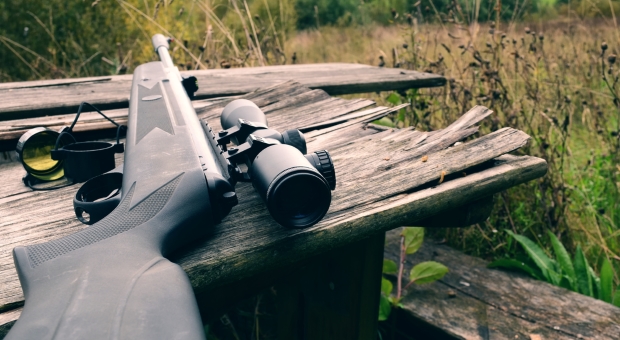


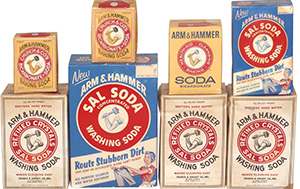
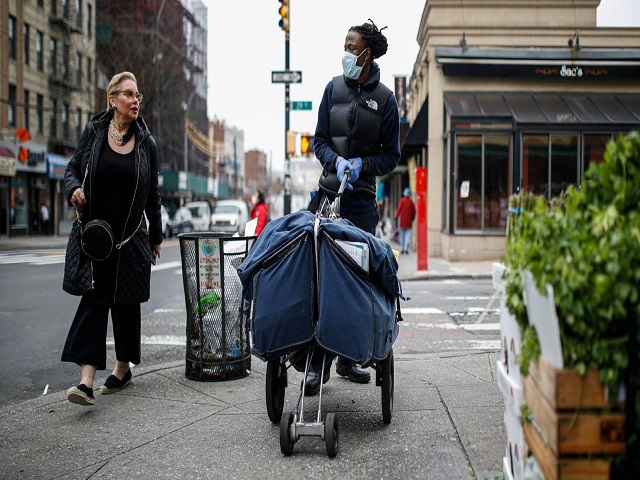

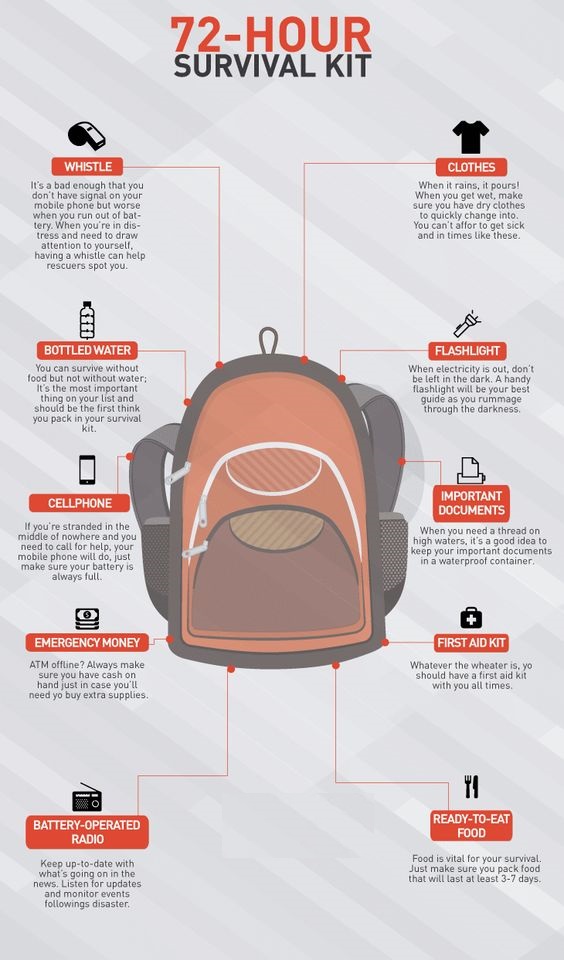
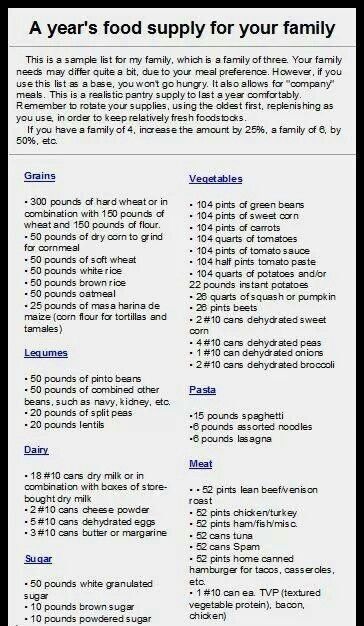
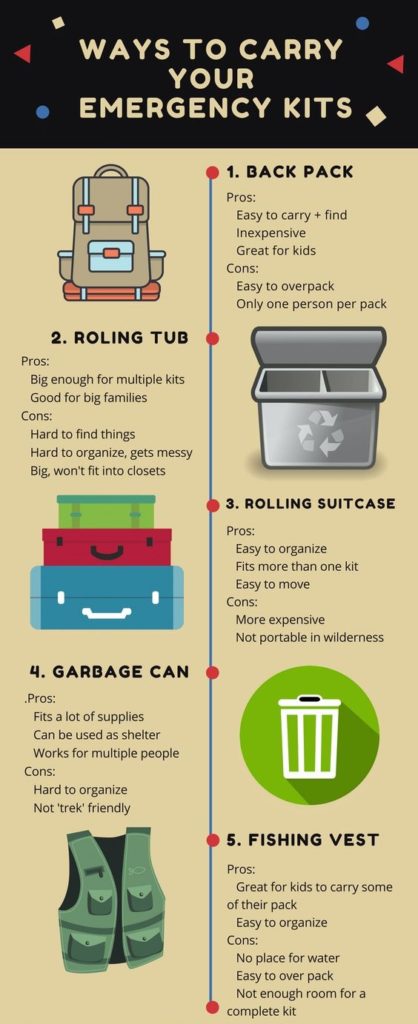

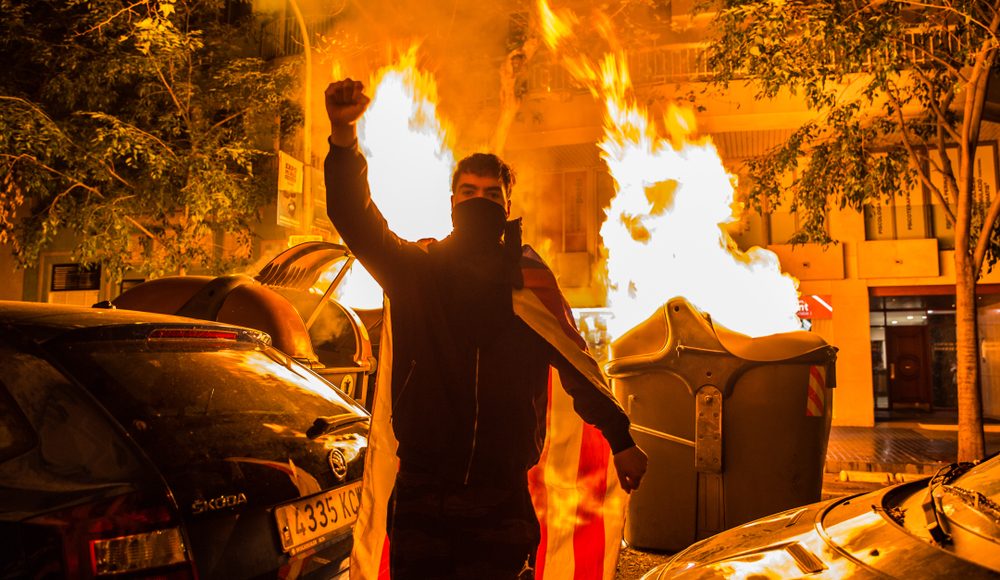

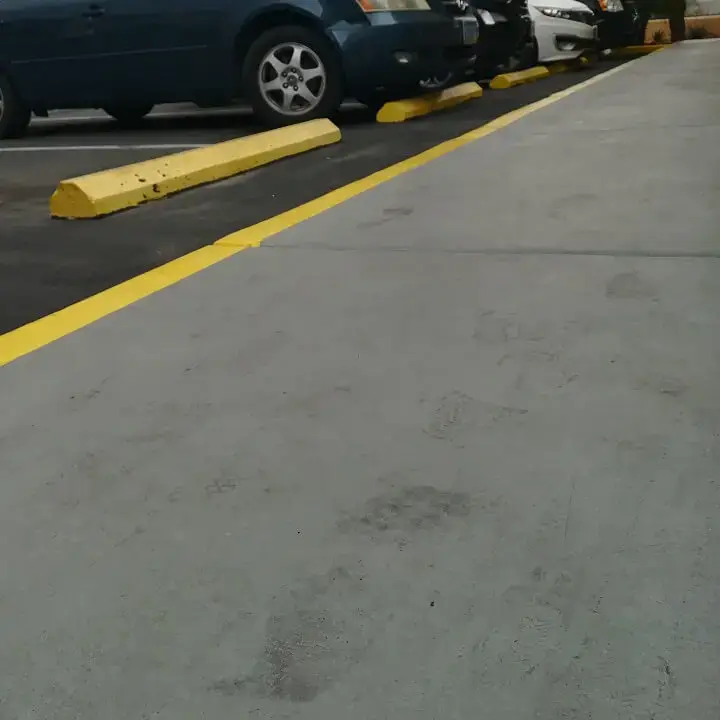
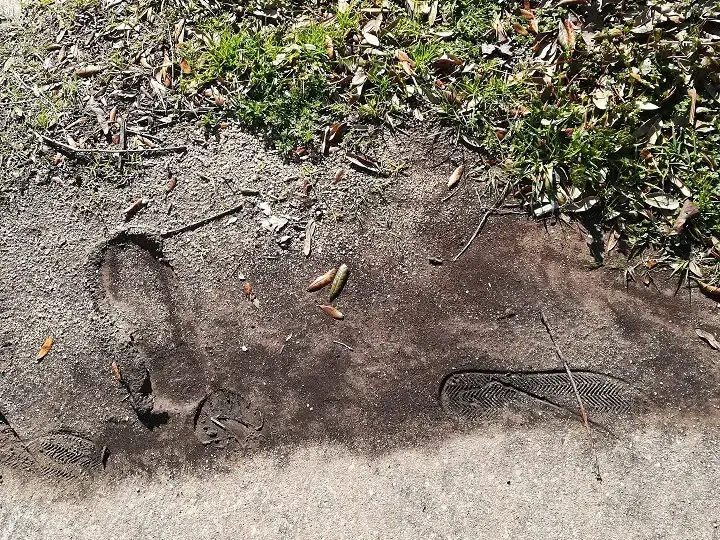
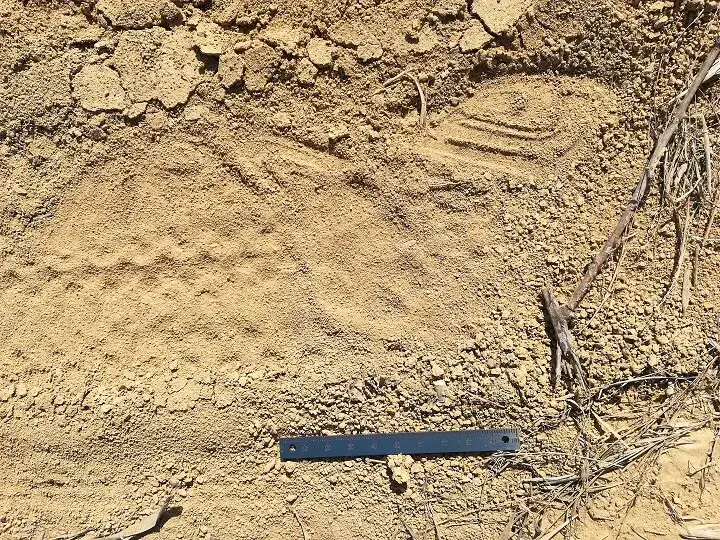

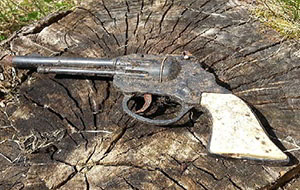
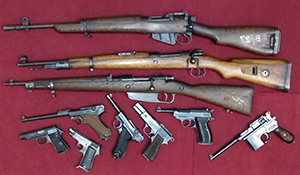

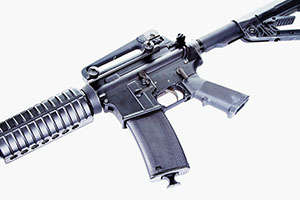




 The End 2026