9 Scary FEMA Camp Facts You Must Know

Over the last decade or more, FEMA has become one more federal agency that everyone loves to hate. I wouldn’t say that it’s hated anywhere near as much as the IRS; but it could very well be in second place.

Sadly, the reason for this is the poor track record that FEMA has in doing what is supposed to be their main purpose; helping people and communities recover after a disaster.

As with preppers, FEMA doesn’t know what sorts of disasters they’ll be called on to deal with. Considering how wide a range of possibilities that can cover, they’ve been given an impressive “toolkit” of authority, allowing them to do things in an emergency that no other government agency can.

Apparently, all of FEMA’s authority comes from Executive Orders and not from legislation. That should be enough to give any sane person pause. But if it doesn’t, then exactly what some of those executive orders give FEMA authority to do should scare the socks off of them.

During a SHTF situation, pain could become an annoyance for some, but unbearable for others.

If doctors are scarce and medicine becomes even scarcer, this one little weed, found all over North America and similar to morphine, could be a saving grace.

FEMA Camps

• Executive Order 10990 – FEMA can take over all modes of transportation, the highways and seaports
• Executive Order 10995 – FEMA can take over communications media
• Executive Order 10997 – FEMA can take over all electrical power, fuels and minerals
• Executive Order 10998 – FEMA camps can take over food resources and farms
• Executive Order 11003 – FEMA can take over airports and commercial aircraft
• Executive Order 11004 – FEMA camps can relocate communities

There’s a whole lot more than that; but those are some with the most far-reaching potential effect in a time of crisis.
9 Scary FEMA Camp Facts You Must Know

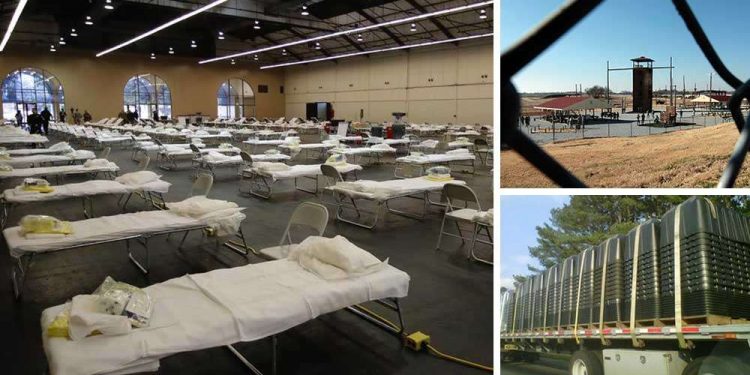
They are also empowered to set up refuge centers and relocation camps, of which there are currently over 800.

While those are ostentatiously intended to be used as emergency shelters in the case of crisis, FEMA has the power to use them in many other ways, including as detention centers and reeducation camps.

The thing we need to realize is, any power the government grants itself eventually is turned for evil, no matter how good the original intention. The “Law of Unintended Consequences” pretty much guarantees this, even without those in the government who have more nefarious purposes in their hearts and minds. Those people will create their own unintended consequences by manipulating the law.

Political Correctness

We are living in a time where political correctness rules the landscape. It’s even worse now, than it was during former President Obama’s tenure. Cancel culture is destroying any public figure who doesn’t agree with leftist doctrine.

Experts predict that an EMP strike that wipes out electricity across the nation would ultimately lead to the demise of up to 90% of the population. However, this figure begs an important question: if we were able to live thousands of years without even the concept of electricity, why would we suddenly all die without it?

While the average Joe on the street may not get cancelled, you can be sure that the woke mob, ANTIFA or some other leftist group will have their way with him, if they find out that he’s not in lockstep with their beliefs.

All it would take is for the sitting president to declare that the political polarization in our country is a national emergency and the full power of FEMA would be released.
9 Scary FEMA Camp Facts You Must Know

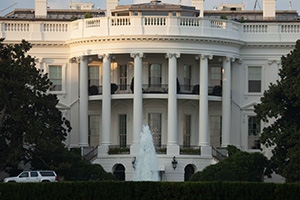
Depending on direction out of the White House, FEMA would have the ability and authority to round up anyone and everyone who doesn’t agree with the current administration’s political ideology. All it would take is for them to declare those people (us) as “dangerous to the peace and tranquility of society.”

While there are many who are calling all this nothing more than conspiracy theories, I fall back on my original statement that any law which is passed is eventually used for nefarious purposes.

Therefore, any explanation given by the government or someone covering for the government doesn’t eliminate the risk to ordinary citizens. Someone in the government can always turn the tables on us.

If that happens, here are a few things we could expect:

Confiscation of Our Guns

It’s a well-established fact that FEMA doesn’t allow firearms in their “refugee camps.”

9 Scary FEMA Camp Facts You Must Know

We first saw this during Hurricane Katrina, where people entering into the centers that FEMA set up were stripped of their guns upon entry. It didn’t matter to the people running the camp that those in the camps couldn’t defend themselves or that they were being attacked by others.

The Second Amendment enshrines one of our most important rights. Yet there are many in government today, who have the attitude that the Second Amendment is a government granted right, rather than a restriction on the government, preventing them from taking our right to keep and bear arms. Their viewpoint is wrong; but dangerous.

Curtailing of Freedom of Speech

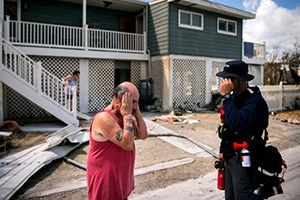
One of the most likely scenarios for opening up those FEMA camps and filling them is that of “reprogramming” conservatives who don’t agree with leftist talking points. There are already those who are calling for such action and have been for several years. As time goes on, we can expect to hear more and more politicians talking like that.
natural disaster

But the real danger is that they’re currently laying the foundation for such action, based upon the left calling words “violence.” That’s their justification for groups like ANTIFA being so violent. The way they explain it, those on the left who use violence are only responding to the violence of “hateful words.”

But then, to them, any words that don’t agree with their world view qualify as hateful words.

With this as a potential motive for rounding people up, you can be sure that when they do, they won’t be allowing those people who have been rounded up to have any freedom in what they say. As part of their “reeducation” their speech will be tightly controlled.

On December 6th President Trump’s words shook the world.

For the first time in over 2000 years, Jerusalem was recognized as the capital of Israel.

Whether he knows it or not, President Trump fulfilled his part in a frightening biblical prophecy exactly as the scriptures predicted.

Only the top church leaders and Bible scholars know the real meaning behind this great and terrible moment, yet no one is saying a thing about it…

So pay chose attention because this video will change your life forever for the good!

Rapes and Other Brutality in FEMA Camps
9 Scary FEMA Camp Facts You Must Know

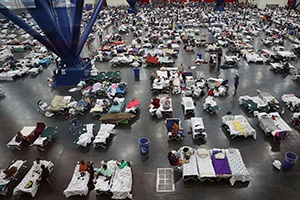
Going back to the refugee centers set up during Hurricane Harvey, we can see what the results of taking people’s guns away from there are.

With the people unable to defend themselves, they were easy pickings for the violent in society.

One of the reasons that firearms are so important for self-defense is that evil people are much more likely to use violence and even ugly brutal violence, in order to get their way.

Without firearms to defend ourselves with, we are at a serious disadvantage. Yet it is clear that there are many who don’t care about that. They would rather have us as victims, than people who can defend ourselves.

All of the “Defenses” are Pointing In, Not Out

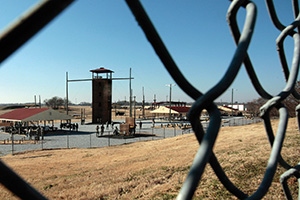
Regardless of what the government tries to say about FEMA camps, one of the glaring truths about them is that they are designed to keep people in, not keep people out. Just as with any other prison, all the defenses are focused inwards, rather than outwards.
9 Scary FEMA Camp Facts You Must Know

Perhaps the most obvious sign of this is the razor wire that’s placed on the tops of hurricane fences. When that’s done as a security measure, the brackets holding the wire are angled outwards. But in the case of prisons, it is angled inwards to help keep the prisoners from scaling the fence and getting out.

Of course, the government tries to say that those defenses are there to protect those who are housed in the camps; but it’s just a lie.

Yet with so many sheeple who are willing to accept what the government says, as long as they are given free stuff and otherwise left alone, it has ended up being an effective lie.

Once You’re In, You Can’t Get Out

This leads us to the next point; that is, once you’re in, you can’t get out. Those camps aren’t about a short-term solution to a disaster or they wouldn’t be configured the way they are. They are highly secure locations, designed to be used in an emergency.

The thing is that once the government has control over someone, they don’t want to let go. We don’t just see this with FEMA, but with every department of the government.

So there’s no reason to think that those running the camps will have a sudden change of heart and decide that justice is best served by setting all those “dangerous” people free to spread more verbal “violence.”

There are Plenty of Guards in FEMA Camps

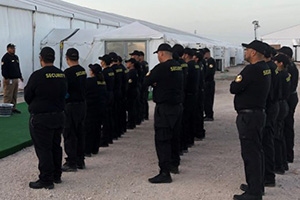
I suppose someone out there could argue that the government doesn’t have enough people on the rolls who could serve as guards, should the order ever go out to use the FEMA camps. That argument is preposterous on several levels.

First, if FEMA posted jobs for guards, they would probably be overrun with applications. Depending on how picky they are, finding as many people as they need shouldn’t be a big deal.
9 Scary FEMA Camp Facts You Must Know

But that’s not the only card that FEMA has up its sleeve.

A large number of government agencies have been militarizing, creating what is essentially their own police force, armed and equipped on the level of SWAT teams, not armed and equipped like the cop on the beat.

This has been happening in a number of agencies which have previously had no need for any sort of armed personnel or law enforcement officers. So, what’s the difference? It appears that these agencies want the ability to be able to force their will upon the people. That means armed personnel; people who can be called upon to serve as guards for FEMA.

One good example of the militarization of federal agencies was the case of the Bureau of Land Management’s attack on Cliven Bundy in 2014. The dispute over land use escalated when 200 armed federal agents arrived at his ranch, taking it over and killing off his cattle. The armed federal officers who descended upon his ranch represented a wide variety of government agencies.

You might be living in one of America’s deathzones and not have a clue about it
What if that were you? What would YOU do?

In the next few minutes, I’m going to show you the U.S. Nuclear Target map, where you’ll find out if you’re living in one of America’s Deathzones.

This image has an empty alt attribute; its file name is untitled-1.png

FEMA has Stocked Coffins

coffins

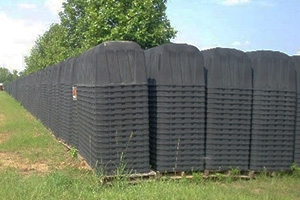
One of the things that came out a number of years ago is that FEMA had bought a billion dollars worth of “disposable” coffins. Those who have tried to debunk that as conspiracy theory have said that those weren’t coffins, but rather the waterproof vaults that coffins are placed inside.

Okay, so what? That doesn’t stop them from being able to be used as coffins. If anything, it verifies that’s what they are.

Why does the federal government need all those burial vaults? Why stockpile them? That seems even more sinister when you consider that FEMA doesn’t really stockpile much else in the way of emergency supplies.

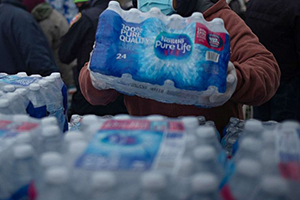
When Superstorm Sandy hit the New Jersey coast, they didn’t even issue a Request for Quote (RFQ) until the day after the storm hit. If they are that cavalier about getting bottled water to people, why do they need a stockpile of burial vaults? It’s suspicious at the least.

No Privacy

Some of the sites maintained as FEMA camps are supposed to be able to house as many as 20,000 people. But that’s housing them in rather crowded circumstances. I’ve been in a couple of these, which are commonly used as reserve training centers. They can comfortably hold about 1,000 to 2,000 people.

What that means is that everyone will be in crowded barracks conditions, perhaps separated by sex and age and perhaps separated by family. There’s really no way of knowing. But considering the left’s take on “gender identity” today, I’m pretty sure that it won’t be anything that anyone will like.

I can’t say for sure, but this could be part of the plan in using these camps as reeducation centers. One of the more effective ways of brainwashing people is to put them under a lot of stress. Depriving people of the comfort of their family and thrusting them into crowded conditions are two clear ways of doing this.

Families Can Be Separated in FEMA Camps

As I just stated, families are very likely to be separated in these camps. The leftists in the government, as well as other organizations like the teachers’ unions, have already stated that the children belong to the government, not to their parents.

Taking those children away from their parents is a key part of indoctrinating them.

It also allows FEMA the opportunity to use the children as hostages for the “good behavior” of their parents.

Whether this means that good behavior will be required so that parents can see their children, or it means that some overt threat will be used is something that we’re going to have to wait to see. But it is clear that there are many advantages to a tyrannical government in separating families.
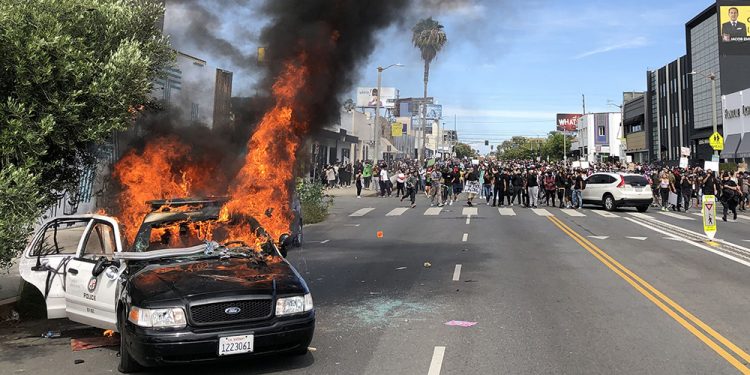
8 Signs That USA Is On The Brink Of Collapse

As we all know, 2020 was a rocky year, with the onset of COVID-19 causing a wide range of problems. This has continued into 2021 and shows no signs of stopping.

While we may be actually crawling our way out from under the COVID pandemic, we’re just starting to see the impact that it has had on our nation; specifically, the impact that it has had on our economy.

There’s no question that the pandemic took a severe hit on our economy. On top of that, Congress has gone on a spending spree, with their “COVID stimulus packages” which have been filled with spending for pork projects. But that’s only a portion of what COVID is ultimately going to cost the country.

Economic Presumptions

As we claw our way out of this pandemic, we’re just beginning to see the overall cost. One pair of Harvard economists has estimated that the total price tag for the pandemic will be over 16 trillion dollars for the United States alone; and that’s if we’re back to normal by the fall of 2021, just a few short months away.

There has already been too much finger pointing that has happened about this crisis and I don’t want to add to it. But there’s plenty of room to question whether decisions which were made solely to protect us from the disease were the best possible decisions.

Of course, like everyone else, I’m looking from the advantage of hindsight, unlike our government officials, who had to make their decisions in real time, based upon incomplete data, as the medical community was still trying to understand the disease.

Our Liberty

I have been reminded over and over again about a famous quote of Benjamin Franklin. He said, “Those who would give up essential Liberty, to purchase a little temporary Safety, deserve neither Liberty or Safety.” Yet throughout the pandemic, it seems to me that we have been collectively forced to give up our liberty throughout the pandemic, in a somewhat vain search for security.

I’m not talking about wearing masks, social distancing or not shaking hands; I’m talking about the millions of people whose finances have been destroyed, especially the small business owners whose doors were shuttered by government fiat, many of them permanently.

During a SHTF situation, pain could become an annoyance for some, but unbearable for others.

If doctors are scarce and medicine becomes even scarcer, this one little weed, found all over North America and similar to morphine, could be a saving grace.

Those people lost their life’s work and savings, all for the purpose of trying to make others feel safe and the government “help” for small businesses did nothing to help those business owners, just to help their employees. Yet I don’t see where Wal-Mart was forced to suffer by government edict.

So just where does this leave us? Simply put, it leaves our nation in severe financial danger.

Financial gurus have been saying that a collapse is coming for several years now, and it seems like we are on the brink of it happening. It’s like that famous house of cards, where the key card has been removed and we’re all waiting for a puff of wind to knock it down.

Government Spending Out of Control

8 Signs That USA Is On The Brink Of Collapse

Probably the biggest thing that’s leading us into financial collapse is government spending.

As the government mandates lockdowns spread across the country and around the world, over 40 million American workers were sent home to wait out the pandemic.

Many of those were temporary furloughs, so they aren’t counted amongst the unemployed; yet they still weren’t gainfully employed.

In response to that, Congress passed several “Coronavirus relief bills” totaling somewhere north of 4 trillion dollars. That money was supposed to help people make it through the hard times, with some going out in stimulus checks and even more going out in small business loans and unemployment bonuses.

Yet for some of those who were out of work, it wasn’t enough to make ends meet. On the other hand, there were those who made more sitting home on unemployment, than they did working.

So where did all this money come from? We may as well say that it came out of thin air. The Federal Reserve bank loaned it to the federal government, creating it by buying the debt. If anyone else but the Fed had done that, they would have gone to jail for fraud.

They Don’t See the Problem

This has taught Congress that they can spend money with impunity. President Biden’s six trillion dollar budget proposal and Congress’ two trillion dollar plus infrastructure bill show this clearly. Once they broke that trillion dollar ceiling during the pandemic, they realized they could just keep spending, without repercussions.

Somehow, a group of economists have come up with the idea that our nation can sustain a much higher level of debt than previously realized. This idea has clearly been bought into by those currently in power and they are planning on spending every dollar of the new “credit limit” they can.

8 Signs That USA Is On The Brink Of Collapse

At the same time, the economic recovery that we were seeing towards the end of 2020 has stagnated, as investors have lost confidence in the economy. People are spending the money they saved during the lockdown, and the president is pointing to that as a sign of economic recovery.

But it’s clear that what’s happening is a temporary surge, and nothing more. Long-term economic indicators are not looking as good as the short-term ones that they’re touting do.

Rising Inflation

One of the more dangerous economic indicators we’re seeing right now is rising inflation.

8 Signs That USA Is On The Brink Of Collapse

For over a decade now, inflation has hovered around one percent or less. Yet in the first few months of 2021, we are looking at an “official” annualized rate of over 4.2% (as of April 2021), with that number jumping up by more than 1.5% from March to April alone. Chances are pretty good that it will climb much higher than that before the year is out.

Leading the way are increased costs in housing, fuel, food and lumber. New house prices are up over $30,000 from last year, due to lumber shortages. As that is probably a temporary spike, those who buy houses at that inflated rate will probably lose money, just as those who lost their homes in the 2008/2009 crash.

At least part of the rise in gasoline costs can be attributed directly to policy decisions being made by the president. In the last four years, we’ve gone from being a net importer of petroleum to a net exporter.

That has come to an end, as the new president has reversed many of the policies put forth by the previous one; and he has done so without any apparent concern about what those decisions will do to the economy.

The Loss of Main Street

I’ve already mentioned the devastating impact that COVID has had on small businesses. Figures are sketchy and aren’t by any means finalized, as can be seen by the fact that nobody can agree on just how many businesses have failed.

8 Signs That USA Is On The Brink Of Collapse

I can find figures which range all the way from 100,000 to 9 million, making it basically impossible to find the truth in those numbers. The small business relief the government offered went largely to larger, well established businesses, rather than the mom and pop shops that you and I think of, when we hear the term “small business.”

Even then, the only way of receiving loan forgiveness on those loans was to use at least 75% of it to pay the wages of people who weren’t working. It didn’t help those mom and pop shops pay the rent, keep the lights on or even pay themselves.

With little to no reserves, many were forced to shut down permanently; but they don’t get added to the statistics, because there are no bankruptcy proceedings for government statisticians to count.

Those mom and pop shops weren’t the only ones to suffer though. One list (which was written in the fall of 2020) shows 53 major retail corporations which have filed for bankruptcy due to COVID-19.

Granted, some of these companies were in bad financial straits before the pandemic hit; but that doesn’t take away from the fact that the loss of business during 2020 was enough to put them under.

You might be living in one of America’s deathzones and not have a clue about it
What if that were you? What would YOU do?

In the next few minutes, I’m going to show you the U.S. Nuclear Target map, where you’ll find out if you’re living in one of America’s Deathzones.

This image has an empty alt attribute; its file name is untitled-1.png

Unemployment Remains too High

8 Signs That USA Is On The Brink Of Collapse

The two prime indicators of financial collapse are high inflation and high unemployment. Yet, after historically low unemployment before COVID hit, we are not seeing people go back to work as quickly as they should, now that businesses are reopening after the lockdown restrictions have been lifted.

Part of this is because the businesses that those people worked for just plain don’t exist anymore. It’s hard to go back to work at a company which has been forced to shut the doors. But much of it is because government policy is encouraging people to stay home.

With the Coronavirus bonus attached to unemployment, there are many retail and food service workers who are making more money watching daytime television, than they made working at their jobs.

“Official” unemployment stands at 9.7 million as of this writing. But that number is a bit misleading. In reality, there are over 16 million people out of work. But the official number is somewhere over 16 million. The discrepancy is that the official figure covers only those who are on unemployment.

On top of that, we face a national skills crisis that is only getting worse. Before COVID hit, there were six million jobs remaining unfilled for skilled workers. But there weren’t the skilled workers available to fill those jobs. That’s because by and large people weren’t learning those skills.

The current philosophy that everyone should go to college and get a degree is producing a lot of people with unmarketable degrees in fields where there are minimal jobs and steering people away from learning skills which will land them a stolid, well paying, blue collar career.

Anti-Business Government Policies are in Effect

8 Signs That USA Is On The Brink Of Collapse

The two major political parties have very different philosophies about business and job creation. Republicans are largely supportive of business, while Democrats have the idea that jobs come from the government. They aren’t as concerned about business, other than to see it as a source of tax revenue.

A number of Democrat politicians have publically stated that businesses making a profit are “greedy” and that they should give those profits to the government, as the government can better spend that money.

With that underlying attitude, it’s no wonder that the current administration and Congress are taking a number of moves which are not good for private business.

The shutdown of the Keystone Pipeline project was only the tip of the iceberg in this, as they are doing a number of other things which are taking away business profits, causing people to lose their jobs and sending jobs overseas.

Out National Debt

I’ve been hearing that our national debt is unsustainable at least since 2009. Yet it continues to climb and as I already mentioned, talking about government spending being out of control, it is climbing faster than ever.

8 Signs That USA Is On The Brink Of Collapse

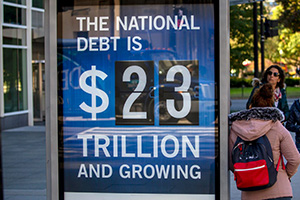
I can remember when it was said that a national debt higher than our GNP was unsustainable. Well, we’re well past that, with the national debt over 28 trillion right now and the GNP at about 22 trillion. So why haven’t we crashed already? Because the US dollar is the world’s reserve currency.

We literally export our debt overseas, because other countries need American dollars to do business.

With the current budget and infrastructure bills in Congress, there’s no saying just how bad our national debt will become. But with other major world players trying to take over the dollar’s place as the world’s reserve currency, things are on very shaky ground.

Media Hiding the Truth

Finally, the mainstream media isn’t telling us the truth about what is happening. The term “fake news” gained a lot of popularity over the last few years, first as a smear campaign aimed at right-wing news sources and then as a description of what comes out of the legacy media.

With everything being seen as being political, every story is “spun” to make Democrats look good and Republicans look bad.

The big problem with this is that the American people are put in the place of trying to make decisions based on flawed information. When we don’t know what’s really happening, we can’t prepare. Yet the media, rather than just presenting the facts, is painting everything with a political brush.

Ultimately, this means that instead of making the kinds of decisions which will help forestall any financial disaster and will best protect our families, we are making decisions based upon emotion. All those people who are buying houses right now, driving the prices up, wouldn’t be buying them if they realized we’re on the brink of a financial cliff.

Yet because they are being kept in the dark, they’re literally helping to build that cliff higher. They will be the ones to suffer, rather than anyone sitting in a plush office in Washington DC or a plush office on Wall Street.

One Week Blackout Plan (Back when the government started organizing electric power companies and energy became something for the federal government to regulate, one of the things they did right was to overbuild the system.)

Back when the government started organizing electric power companies and energy became something for the federal government to regulate, one of the things they did right was to overbuild the system. It was a time when they anticipated massive growth and tried to prepare for it as best they could.

But there was no way they could foresee the massive increase in energy usage that would happen through the years. Today, our systems are woefully inadequate, overburdened in a number of ways.

Much of the electric infrastructure we depend on is far past its prime, with some electric power lines actually still in use after over 100 years. The number of power plants and substations which are still in use after their 50-year life expectancy is on the rise, with maintenance lagging.

More money is being put into unreliable wind and solar power, because it is “green,” than into systems that can be depended on.

What this has resulted in is that the United States has more blackouts than any other developed country in the world. While we are the technological leader of the world, we are doing a better job of exporting that technology, than we are in making use of it ourselves.

Much of that is political, specifically the aforementioned focus on wind and solar power, which only work when the weather is cooperative.

ERCOT

The extreme weather in February of 2021 helped to show just how vulnerable the electrical grid is, especially in Texas.

While there are a number of different things that ERCOT (the Electric Reliability Council of Texas) did wrong, which added to the problem, the basic problem was that Texas was unprepared for the low temperatures that occurred, mostly because there has never been a long stretch of weather that cold in Texas.

There is no way to realistically expect that ERCOT would have been ready for what happened.

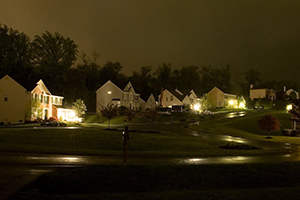
More than five million people lost power, most for several days and some for as long as a week. It didn’t happen, but the Texas power grid was minutes away from it all going down. Had that happened, it would have taken months to get the power back on.

Power outages of minutes or even hours aren’t a big deal; but these longer-term power outages can be serious. They’re on the increase too. According to the US Department of Energy, the five year average rate of major blackouts is doubling every five years.

• From 2000 – 2004, there were an average of 44 major outages per year.
• From 2005 – 2009, there were an average of 100 major outages per year.
• From 2010 – 2014, there were an average of 200 major outages per year.

This trend is continuing, so we can all expect to see more major power outages in our own personal futures. Poor maintenance, a result of so much money being put into wind and solar power will only make that worse.

The only real question is when those blackouts will come and how bad they will be.

Planning for Blackouts

Anyone who wants to make it through these major blackouts in some degree of comfort needs to do a little preparation. I had several friends and family members who were part of that five million in Texas who lost their power, water and heat for several days. Fortunately, none of them died, but over 100 people did.

One Week Blackout Plan

The basic problem boils down to everything we do involving electricity. So losing electricity doesn’t just mean that we can’t watch TV, use our computers and have the lights on; it means that we don’t have such simple things as water. During that freeze, most of Texas was either without water or had no more than a trickle coming out the faucet.

While it would be ideal to be able to produce enough electricity ourselves, to meet all our needs, that’s a bit idealistic.

The reality is that it would cost a lot of money to put in enough solar panels and a big enough battery backup system to ensure that everything in your home could continue operating during one of those prolonged blackouts, it’s just not practical for most of us. We just can’t afford that big an investment.

So, while we should have some solar power, we shouldn’t count on powering everything. For the rest, what are we going to need?

Heating

One Week Blackout Plan

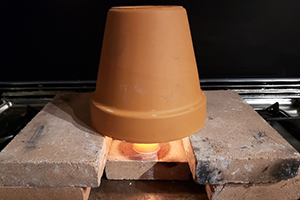
Heating is the biggest challenge, assuming the blackout occurs when it’s cold enough to need to heat our homes. There are really only two practical solutions; either wood or propane catalytic heaters. Of those, wood is by far the more common. Every other option requires electricity.

Wood heating means either having a fireplace or a wood-burning stove. Of the two, the wood-burning stove is much more efficient, as it can radiate heat from all sides. Make sure that you don’t buy one of those stoves which uses pellets and that you put in a good stock of firewood.

Wood heating isn’t going to heat your whole home. Rather, you’re going to have to drag mattresses into whatever room the wood-burning stove installed in and have everyone camp out there.

I just talked to a friend last weekend who had 20 people camped out in his living room. They were a bit cramped, but everyone made it through the week.

Refrigeration

power outages

Refrigeration is our second most critical use of electric power. If the blackout happens in the wintertime, that’s not such a big deal, as the food can be taken out of the freezer and put I the garage or outside. Just make sure it is in something where animals can’t get to it. But what about the summertime?

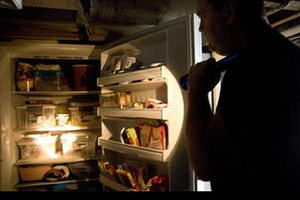
The average refrigerator/freezer unit will keep food cold for about 24 hours, without electrical power. Then the temperature will gradually start to rise and things will begin to thaw.

Considering that you probably won’t be able to buy dry ice to keep it cold, you’re either going to have to eat that food quickly, cook it so that it lasts a bit longer or can it. If you can’t do one of those with it, chances are that it will go bad.

In order to be sure that your family is going to have food to eat, you want to have a good stockpile of non-perishable food on hand. This is something we do as preppers anyway, so it really shouldn’t be an issue.

Cooking

One Week Blackout Plan

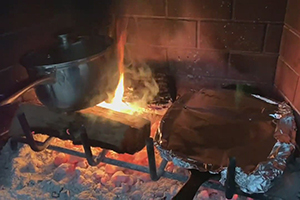
But even cooking that food is going to be a challenge, as you won’t have either electricity or natural gas. That means having some alternative means of cooking available, along with the fuel you’ll need. Of all the options, the two which make the most sense for most of us are either a barbecue grille or a camp stove which will burn gasoline.

The only problem with using either of these is that it will tend to mess up the “nice” pots and pans most of us have in the kitchen. Unless you’ve got some cast iron cookware to use, you’d better count on your cookware being damaged. That’s okay; cookware can be replaced.

Coleman still makes their “dual fuel” camp stove, the only one in their lineup which will run off of gasoline, rather than propane. It’s probably the best survival stove there is, as gasoline is probably going to be the easiest fuel to find.

Water

Compared to food, water is a much higher survival priority. But during the February freeze pretty much all of Texas was without water. Our local water authority couldn’t pump water, because they couldn’t get any of their four diesel generators to start. I think they probably didn’t have the fuel stabilized for cold weather.

One Week Blackout Plan

Without power, it’s unlikely that any municipal water authority is going to be able to keep pumping water for a week. While most probably have generators, I’m pretty sure that none of them have enough fuel stored on site to make it through seven days. We’ll need our own source of water.

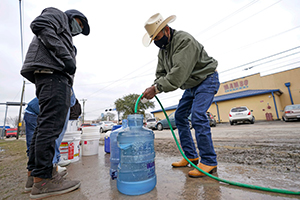
Fortunately, this is an easy one to solve, as we can stockpile water readily enough. But I wouldn’t just count on the water you buy at the local supermarket, I’d put in some sort of rainwater capture system as well.

You’re going to need much more than a few cases of water bottles, especially if you expect to be able to cook and clean.

Light

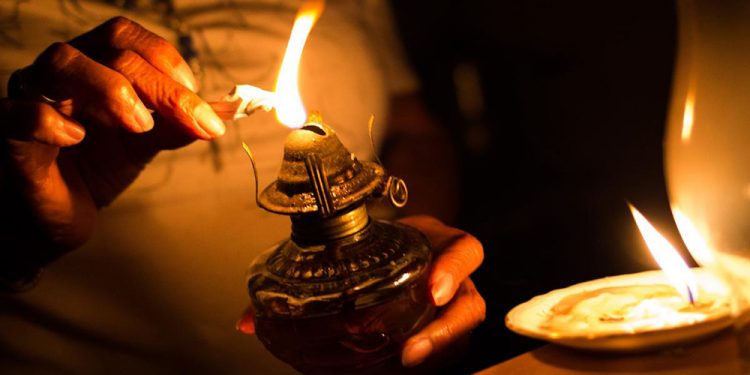
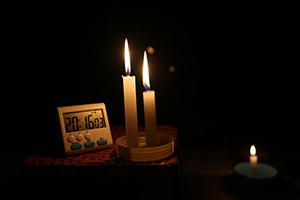
Light is one of the easier problems to solve. We can either use flashlights, candles or oil lamps.

One Week Blackout Plan

I’d recommend on planning for a combination of all three, as you will find that you have different needs for different activities.

While a flashlight might work well for some things, it’s not the best way to light a room. Make sure you’ve got a good stock of batteries, as well as oil for the lamps.

Another thing to consider is buying 12 volt LED lighting or battery powered LED lighting. Either one of those run on very little power and can be recharged by whatever solar power you have, unlike other lighting systems which might require a higher voltage or draw more current.

Communications

The other really easy thing to take care of is communications. Our main method of communications today is the smartphone, with just about everyone owning one. Phone companies and radio stations are required by regulation to have backup power, usually in the form of generators.

So it’s likely that there will still be power available to run the system and keep communications going. If you have enough solar power to charge your phones, you’re set.

During Those Seven Days

Preparing for a seven-day blackout is one thing, living through it is another. It’s not just good enough to have everything you need; you’ve got to do the right things to take care of your family.

Just determining if you’re in a major blackout or not is going to be the first challenge you’ll face. Don’t expect officials to be forthcoming with information, as they won’t be.

Rather, you’re going to have to take your best guess, based on what’s happening. For the most part, that means if it lasts more than a couple of hours, it’s time to start looking at the situation; is there some sort of weather event going on, which would make a power outage likely?

One Week Blackout Plan

The other big indicator is how widespread it is. If your neighborhood is the only one without power, it will probably be back on soon; but if the whole city is blacked out, then it’s a major problem and will likely continue for several days. Keep in mind that there’s nothing sure when it comes to such things.

You may decide that the power will be out for a week, only to have it turn on the next morning. That’s okay. You’re better off putting your emergency plan into action and then having to go back to normal, than waiting to put your plan into effect and not starting soon enough.

Actions to Take

The first thing to do is get your family together and tell everyone what is going on. Then put everyone to work preparing to camp out wherever your wood-burning stove is. As part of that, fill every container you can with water, even if you have abundant water on hand. You really don’t know how much you will need.

Chances are that the stores are going to be closed, but if there’s anything you really need, it might be a good idea to make a supply run before hunkering down.

Take cash, as the stores probably won’t be able to use their cash registers, which also means that they won’t be able to take plastic. It would be a good idea to plan on marking prices on everything as you shop, so that when you get to the cash register it can all be added up.

Moving everyone into the living room will make it possible to keep everyone warm, or at least somewhat warm. It would help to block off the other parts of the home, perhaps by hanging a heavy blanket over the doorways, to help keep the heat inside the room you’re staying in.

I’d start cooking or preserving whatever frozen food you have on the second or third day, right about when it starts thawing out. Cooked food will keep longer than raw food, but it will still go bad. Then again, if it is cold enough that you’re forced to camp out in the living room to have heat, you could always put the food outdoors to keep it cold.

The big challenge is going to be keeping everyone from going nuts, sitting there in the living room of your home. If schools and work are still open, then that would solve that problem; but that’s unlikely.

There is little that we can do on most jobs, without electricity and our schools need it just as much. You don’t want to send your kids to school, just to sit there in dark rooms.

8 Signs That USA Is On The Brink Of Collapse (As we all know, 2020 was a rocky year, with the onset of COVID-19 causing a wide range of problems. This has continued into 2021 and shows no signs of stopping.))

As we all know, 2020 was a rocky year, with the onset of COVID-19 causing a wide range of problems. This has continued into 2021 and shows no signs of stopping.

While we may be actually crawling our way out from under the COVID pandemic, we’re just starting to see the impact that it has had on our nation; specifically, the impact that it has had on our economy.

There’s no question that the pandemic took a severe hit on our economy. On top of that, Congress has gone on a spending spree, with their “COVID stimulus packages” which have been filled with spending for pork projects. But that’s only a portion of what COVID is ultimately going to cost the country.

Economic Presumptions

As we claw our way out of this pandemic, we’re just beginning to see the overall cost. One pair of Harvard economists has estimated that the total price tag for the pandemic will be over 16 trillion dollars for the United States alone; and that’s if we’re back to normal by the fall of 2021, just a few short months away.

There has already been too much finger pointing that has happened about this crisis and I don’t want to add to it. But there’s plenty of room to question whether decisions which were made solely to protect us from the disease were the best possible decisions.

Of course, like everyone else, I’m looking from the advantage of hindsight, unlike our government officials, who had to make their decisions in real time, based upon incomplete data, as the medical community was still trying to understand the disease.

Our Liberty

I have been reminded over and over again about a famous quote of Benjamin Franklin. He said, “Those who would give up essential Liberty, to purchase a little temporary Safety, deserve neither Liberty or Safety.” Yet throughout the pandemic, it seems to me that we have been collectively forced to give up our liberty throughout the pandemic, in a somewhat vain search for security.

I’m not talking about wearing masks, social distancing or not shaking hands; I’m talking about the millions of people whose finances have been destroyed, especially the small business owners whose doors were shuttered by government fiat, many of them permanently.

Those people lost their life’s work and savings, all for the purpose of trying to make others feel safe and the government “help” for small businesses did nothing to help those business owners, just to help their employees. Yet I don’t see where Wal-Mart was forced to suffer by government edict.

So just where does this leave us? Simply put, it leaves our nation in severe financial danger.

Financial gurus have been saying that a collapse is coming for several years now, and it seems like we are on the brink of it happening. It’s like that famous house of cards, where the key card has been removed and we’re all waiting for a puff of wind to knock it down.

Government Spending Out of Control

8 Signs That USA Is On The Brink Of Collapse

Probably the biggest thing that’s leading us into financial collapse is government spending.

As the government mandates lockdowns spread across the country and around the world, over 40 million American workers were sent home to wait out the pandemic.

Many of those were temporary furloughs, so they aren’t counted amongst the unemployed; yet they still weren’t gainfully employed.

In response to that, Congress passed several “Coronavirus relief bills” totaling somewhere north of 4 trillion dollars. That money was supposed to help people make it through the hard times, with some going out in stimulus checks and even more going out in small business loans and unemployment bonuses.

Yet for some of those who were out of work, it wasn’t enough to make ends meet. On the other hand, there were those who made more sitting home on unemployment, than they did working.

So where did all this money come from? We may as well say that it came out of thin air. The Federal Reserve bank loaned it to the federal government, creating it by buying the debt. If anyone else but the Fed had done that, they would have gone to jail for fraud.

They Don’t See the Problem

This has taught Congress that they can spend money with impunity. President Biden’s six trillion dollar budget proposal and Congress’ two trillion dollar plus infrastructure bill show this clearly. Once they broke that trillion dollar ceiling during the pandemic, they realized they could just keep spending, without repercussions.

Somehow, a group of economists have come up with the idea that our nation can sustain a much higher level of debt than previously realized. This idea has clearly been bought into by those currently in power and they are planning on spending every dollar of the new “credit limit” they can.

8 Signs That USA Is On The Brink Of Collapse

At the same time, the economic recovery that we were seeing towards the end of 2020 has stagnated, as investors have lost confidence in the economy. People are spending the money they saved during the lockdown, and the president is pointing to that as a sign of economic recovery.

But it’s clear that what’s happening is a temporary surge, and nothing more. Long-term economic indicators are not looking as good as the short-term ones that they’re touting do.

Rising Inflation

One of the more dangerous economic indicators we’re seeing right now is rising inflation.

8 Signs That USA Is On The Brink Of Collapse

For over a decade now, inflation has hovered around one percent or less. Yet in the first few months of 2021, we are looking at an “official” annualized rate of over 4.2% (as of April 2021), with that number jumping up by more than 1.5% from March to April alone. Chances are pretty good that it will climb much higher than that before the year is out.

Leading the way are increased costs in housing, fuel, food and lumber. New house prices are up over $30,000 from last year, due to lumber shortages. As that is probably a temporary spike, those who buy houses at that inflated rate will probably lose money, just as those who lost their homes in the 2008/2009 crash.

At least part of the rise in gasoline costs can be attributed directly to policy decisions being made by the president. In the last four years, we’ve gone from being a net importer of petroleum to a net exporter.

That has come to an end, as the new president has reversed many of the policies put forth by the previous one; and he has done so without any apparent concern about what those decisions will do to the economy.

The Loss of Main Street

I’ve already mentioned the devastating impact that COVID has had on small businesses. Figures are sketchy and aren’t by any means finalized, as can be seen by the fact that nobody can agree on just how many businesses have failed.

8 Signs That USA Is On The Brink Of Collapse

I can find figures which range all the way from 100,000 to 9 million, making it basically impossible to find the truth in those numbers. The small business relief the government offered went largely to larger, well established businesses, rather than the mom and pop shops that you and I think of, when we hear the term “small business.”

Even then, the only way of receiving loan forgiveness on those loans was to use at least 75% of it to pay the wages of people who weren’t working. It didn’t help those mom and pop shops pay the rent, keep the lights on or even pay themselves.

With little to no reserves, many were forced to shut down permanently; but they don’t get added to the statistics, because there are no bankruptcy proceedings for government statisticians to count.

Those mom and pop shops weren’t the only ones to suffer though. One list (which was written in the fall of 2020) shows 53 major retail corporations which have filed for bankruptcy due to COVID-19.

Granted, some of these companies were in bad financial straits before the pandemic hit; but that doesn’t take away from the fact that the loss of business during 2020 was enough to put them under.

Unemployment Remains too High

8 Signs That USA Is On The Brink Of Collapse

The two prime indicators of financial collapse are high inflation and high unemployment. Yet, after historically low unemployment before COVID hit, we are not seeing people go back to work as quickly as they should, now that businesses are reopening after the lockdown restrictions have been lifted.

Part of this is because the businesses that those people worked for just plain don’t exist anymore. It’s hard to go back to work at a company which has been forced to shut the doors. But much of it is because government policy is encouraging people to stay home.

With the Coronavirus bonus attached to unemployment, there are many retail and food service workers who are making more money watching daytime television, than they made working at their jobs.

“Official” unemployment stands at 9.7 million as of this writing. But that number is a bit misleading. In reality, there are over 16 million people out of work. But the official number is somewhere over 16 million. The discrepancy is that the official figure covers only those who are on unemployment.

On top of that, we face a national skills crisis that is only getting worse. Before COVID hit, there were six million jobs remaining unfilled for skilled workers. But there weren’t the skilled workers available to fill those jobs. That’s because by and large people weren’t learning those skills.

The current philosophy that everyone should go to college and get a degree is producing a lot of people with unmarketable degrees in fields where there are minimal jobs and steering people away from learning skills which will land them a stolid, well paying, blue collar career.

Anti-Business Government Policies are in Effect

8 Signs That USA Is On The Brink Of Collapse

The two major political parties have very different philosophies about business and job creation. Republicans are largely supportive of business, while Democrats have the idea that jobs come from the government. They aren’t as concerned about business, other than to see it as a source of tax revenue.

A number of Democrat politicians have publically stated that businesses making a profit are “greedy” and that they should give those profits to the government, as the government can better spend that money.

With that underlying attitude, it’s no wonder that the current administration and Congress are taking a number of moves which are not good for private business.

The shutdown of the Keystone Pipeline project was only the tip of the iceberg in this, as they are doing a number of other things which are taking away business profits, causing people to lose their jobs and sending jobs overseas.

Out National Debt

I’ve been hearing that our national debt is unsustainable at least since 2009. Yet it continues to climb and as I already mentioned, talking about government spending being out of control, it is climbing faster than ever.

8 Signs That USA Is On The Brink Of Collapse

I can remember when it was said that a national debt higher than our GNP was unsustainable. Well, we’re well past that, with the national debt over 28 trillion right now and the GNP at about 22 trillion. So why haven’t we crashed already? Because the US dollar is the world’s reserve currency.

We literally export our debt overseas, because other countries need American dollars to do business.

With the current budget and infrastructure bills in Congress, there’s no saying just how bad our national debt will become. But with other major world players trying to take over the dollar’s place as the world’s reserve currency, things are on very shaky ground.

Media Hiding the Truth

Finally, the mainstream media isn’t telling us the truth about what is happening. The term “fake news” gained a lot of popularity over the last few years, first as a smear campaign aimed at right-wing news sources and then as a description of what comes out of the legacy media.

With everything being seen as being political, every story is “spun” to make Democrats look good and Republicans look bad.

The big problem with this is that the American people are put in the place of trying to make decisions based on flawed information. When we don’t know what’s really happening, we can’t prepare. Yet the media, rather than just presenting the facts, is painting everything with a political brush.

Ultimately, this means that instead of making the kinds of decisions which will help forestall any financial disaster and will best protect our families, we are making decisions based upon emotion. All those people who are buying houses right now, driving the prices up, wouldn’t be buying them if they realized we’re on the brink of a financial cliff.

Yet because they are being kept in the dark, they’re literally helping to build that cliff higher. They will be the ones to suffer, rather than anyone sitting in a plush office in Washington DC or a plush office on Wall Street.

Should Covid Commies Worry About Violent Resistance? (Not only did the Communists steal the election, they want to liquidate the 80-plus million patriots who voted for Trump.)

Not only did the Communists steal the election, they want to liquidate the 80-plus million patriots who voted for Trump.

Cancel culture is about cancellingyou and the nation state.

Covid vaccines are about killing you.

We must awaken from our slumber and realize that we have been declared redundant. We cannot continue to play stupid. We’ve been handed our pink slip. 

These depraved psychopaths are gaslighting you to believe that resistance to tyranny is “terrorism.”  

Decent Americans are in the cross-hairs
 but act like deer in the headlights. 

During a SHTF situation, pain could become an annoyance for some, but unbearable for others.

If doctors are scarce and medicine becomes even scarcer, this one little weed, found all over North America and similar to morphine, could be a saving grace.

Covid Communists are waging war on them yet they act like nothing has happened.

Am I wrong? Where is the resistance? The Red States. Anywhere else? 

Americans are fully armed but there have been no reports of pushback.

The Communists have committed the political equivalent of raping your daughters. They are gaslighting you.  “We are giving your daughter ‘a valuable life lesson,’ they say.” And you believe them.

about:blankREPORT THIS AD

Men, do you have any dignity left? 

Can you see how feminism and gender dysphoria  emasculated men. Are there any men left?
Solzhenitsyn-resistance.jpg

GASLIGHTING

These depraved psychopaths are gaslighting you to believe:

1) That resistance to tyranny is “terrorism.”  

2) That preserving the racial, cultural and political character of your country is “racist” when everyone else can preserve theirs. 

3) That a legitimate, mostly peaceful protest Jan 6 against a stolen election was a riot and the “worst attack on our democracy since the civil war?”
We must ignore their gaslighting. They are satanists, perverts, criminals, traitors and terrorists. 

Experts predict that an EMP strike that wipes out electricity across the nation would ultimately lead to the demise of up to 90% of the population. However, this figure begs an important question: if we were able to live thousands of years without even the concept of electricity, why would we suddenly all die without it?

“WHITE SUPREMACY IS TERRORISM”
Biden said recently: “We won’t ignore what our intelligence agencies have determined to be the most lethal terrorist threat to our homeland today: White supremacy is terrorism.” 

Meanwhile “black supremacists”  demand the murder of all white people with impunity. 
When will the silent majority wake up? 
Or has it been so anesthetized on drugs and porn that it will just roll over and die?

Is it so hard to believe that the people who have usurped unlimited power and wealth should decide that the rest of humanity is redundant, except as servants? 

We’ve been declared redundant. We’d better prepare to defend ourselves.  Otherwise, submit to tyranny and death.

about:blankREPORT THIS AD

hu-praises-lindsey-graham-in-jerusalem-no-one-has-done-more-for-israel-rOCxN8HCKKk.jpeg

There’s never going to be peaceful democratic change again. They keep that illusion alive to prevent us from resorting to the tactics their Bolsheviks and Zionists have perfected. 

NON-VIOLENT OPTIONS

Non-violent resistance should include a propaganda blitz focused on all the useful idiots carrying out the covid hoax. The go-fers, our leaders, will take the blame for this catastrophe, not the people who gave them the orders.  They’re already throwing Bill Gates and Anthony Fauci to the wolves.

Meanwhile I say to the Satanists, you have everything except love, the thing you really want and need. Too bad you won’t discover that until it’s too late. You’re not a servant of Satan, you’re his prisoner. Turn back and discover the path of bliss. The kingdom of Heaven is within. 
aleksandr-solzhenitsyn.jpeg

We must awake from our slumber and confront this mortal threat. 

We need a spirit of defiance. 

We must embrace and love each other. 

We must reach out to the Left and help them see that globalism (Communism) is our common enemy. The Masonic Jewish central bank (the Fed) and their network of gentile Freemason traitors (“our leaders”) are playing a game of divide and conquer. 

We must stop being fearful.  

In this the final battle, we must enlist in the Army of God.

On December 6th President Trump’s words shook the world.

For the first time in over 2000 years, Jerusalem was recognized as the capital of Israel.

Whether he knows it or not, President Trump fulfilled his part in a frightening biblical prophecy exactly as the scriptures predicted.

Only the top church leaders and Bible scholars know the real meaning behind this great and terrible moment, yet no one is saying a thing about it…

So pay chose attention because this video will change your life forever for the good!

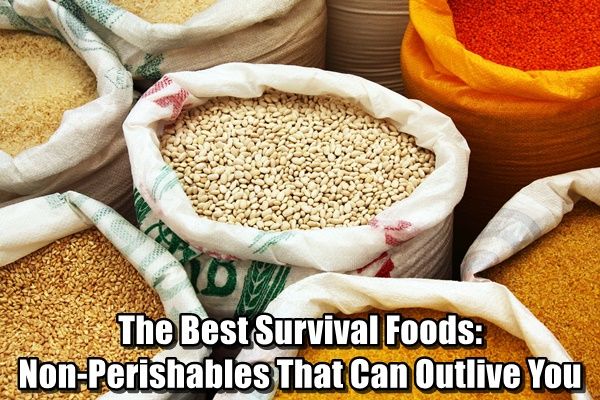
The First 19 Foods You Should Stockpile For Disaster

A good stockpile of food will go a long way toward helping you survive the aftermath of any disaster or life crisis, especially when grocery stores are emptied.

In fact, I’d go so far as to say that there are people who are not preppers who nevertheless instinctively know to stockpile food. This really isn’t surprising when you consider that through most of mankind’s history, stockpiling food was essential to survival — specifically surviving the winter months. During those months, wildlife is bedded down trying to stay warm and plants are dormant. If one didn’t have a good stockpile of food, their chances of survival were pretty darn slim.

But knowing to stockpile food and knowing what to stockpile are two different things. The vast majority of what the average American family eats is unsuitable for stockpiling, because it falls into one of three categories:

  • Junk food – Lots of carbs, lots of sugar, lots of salt and lots of chemicals, but not much nutrition.
  • Fresh food – Foods that won’t keep without refrigeration.
  • Frozen food – It will begin to spoil within two days of losing electrical power.

So we need to come up with other foods — foods that will give us a lot of nutrition and also have the ability to be stored for a prolonged period of time. Here are what we consider the 19 most important ones:

1. Beans – This is one of the more common survival foods. Not only are beans plentiful and cheap, but they provide a lot of protein — something that’s hard to find without meat.

2. White rice – The perfect companion to beans. An excellent source of carbohydrates, and it stores well. [Note: Don’t store brown rice, which contains oils and will spoil.]

3. Canned vegetables – A good way of adding micro-nutrients to your survival diet. Canned goods keep well, long past the expiration date on the label.

4. Canned fruit – For something sweet, adding canned fruit allows you a nice change of diet. Being canned, they keep as well as the vegetables do.

5. Canned meats – Of all the ways of preserving meat, canning is the most secure in protecting the meat from decomposition. While it doesn’t typically have as good a flavor as fresh meat, it still provides animal protein at the most reasonable price you’ll find.

6. Honey – As long as you can keep the ants out of it, honey keeps forever. Plus, it is beneficial during cold season.

7. Salt – Nature’s preservative. Most means of preserving foods require the use of salt. In addition, our bodies need to consume salt for survival.

8. Pasta products – Pasta is a great source of carbohydrates, allowing you a lot of variety in your cooing. Besides that, it’s a great comfort food for kids. Who doesn’t like spaghetti?

9. Spaghetti sauce – Obviously, you need this to go with the pasta. But it is also great for hiding the flavor of things your family doesn’t like to eat. Pretty much anything, with spaghetti sauce on it, tastes like Italian food — whether you’re talking about some sort of unusual vegetable or a raccoon that you caught pilfering from your garden.

10. Jerky – While expensive to buy, jerky is pure meat, with only the addition of spices. Its high salt content allows it to store well, making it a great survival food. It can be reconstituted by adding it to soups and allowing it to cook.

11. Peanut butter – Another great source of protein and another great comfort food, especially for the kiddies. It might be a good idea to stockpile some jelly to go with it.

12. Wheat flour – For baking, especially baking bread. Bread is an important source of carbohydrates for most Americans. Flour also allows you to shake up the diet with the occasional batch of cookies or a cake.

13. Baking powder & baking soda – Also for making the bread, cookies or cakes.

14. Bouillon – Otherwise known as “soup starter,” this allows you to make the broth without having to boil bones on the stove for hours. Soups will probably be an important part of anyone’s diet in a survival situation, as they allow you to eat almost anything. Just throw it together in a pot and you’ve got soup.

15. Water – We don’t want to forget to stockpile a good supply of water. You’ll go through much more than you expect. Experts recommend a minimum of one gallon per person per day, but remember: That’s just for drinking.

16. Whole-wheat –Crackers are a good replacement for bread and make a fine substitute when making sandwiches. Due to their higher fat content, whole-wheat or whole-grain crackers have a shorter shelf life than their plain counterparts (check the box for expiration dates), but the extra fiber pays off when you’re particularly hungry. Consider vacuum-packing your crackers to prolong their freshness.

17. Nuts and trail mixes – Stock up on these high-energy foods—they’re healthful and convenient for snacking. Look for vacuum-packed containers, which prevent the nuts from oxidizing and losing their freshness.

18. Powdered milk –Almost all dairy products require refrigeration, so stock this substitute for an excellent source of calcium and vitamin D when fresh milk isn’t an option.

19.Multivitamins –Supplements will help replace the nutrients you would have consumed on a normal diet.

While this doesn’t constitute a complete list of every type of food that you should stockpile, it’s a good starting point. You’ll want more variety than this, but in reality, your family can survive for quite a while with just the 15 things on this list.

As your stockpile grows, add variety to it. One way of doing that is to create a three-week menu, with the idea of repeating that menu over and over. If you have everything you need to cook everything on that menu, you’ll have a fair assortment of food, and enough so that your family shouldn’t grow tired of it.

11 Unexpected Ways To Earn Money In The Next Depression (The United States economy is a much more fragile thing than most people realize. Even though it is the most robust economy today, it can be taken down in a moment)

The United States economy is a much more fragile thing than most people realize. Even though it is the most robust economy today, it can be taken down in a moment. Keeping the economy intact is a constant balancing act, like trying to keep any number of balls in the air at one time.

Truth be told, nobody fully understands the economy, not even those who make their living explaining it. That’s mostly because the American economy is too complex, with too many interrelated parts, for anyone to keep track of it all. Financial professionals, who are supposed to understand it, focus on individual companies or their stocks, as well as trends, extrapolating pronouncements about whole sections of the economy from those examples.

Yet, the American economy is the most robust economy in the world, impacting the economies of all other countries. When things go good in the USA, they go good for the world; but when they go bad, it affects the whole world too. We saw that when we were in the 2008/2009 recession.

Now it looks like we may be heading into another depression. Financial gurus have been predicting this for years and now it seems their predictions will come true. If that’s the case, you and I need to be ready to provide for all our family’s needs, even without the benefit of a regular job.

It’s important to note that even in a depression, there will still be an economy, with many people working. The Great Depression of the past century saw a maximum unemployment of 24.9 percent. While that is plenty serious enough, with some people still working, there are still people to buy products and pay for services. It will just be a matter of finding those people and figure out what we can do for them.

As a prepper, you’re already the self-sufficient sort, who has a variety of skills available to you. The question then becomes, what can you do with the skills that you have, in order to make money?

Make the Most of Your Garden

11 Unexpected Ways To Earn Money In The Next Depression

As a prepper, whether or not you have a homestead, you’re probably one of the few people around who actually has a vegetable garden in their back yard. This skill, which is so central to who we are as preppers, is something that society at large has forgotten how to do.

Gardening to people outside the prepping community usually means growing flowers, not anything they can eat.

During any financial crisis there are shortages. Amongst the most common of these is food. It’s not that food doesn’t exist, it’s that food doesn’t make it from the farms to the store shelves. Food therefore becomes an extremely valuable barter item, which can be traded for other necessities.

Convenience Meals

Speaking of food, there are always people who need it. While a depression is hard on the economy and people lose jobs, people have to eat. If there is one sort of business that is likely to be secure in such a time, it is providing food to people.

The key is going to be finding some way of providing food, which is going to be unique enough that people will be willing to pay for it; not the people who are out of work, but those who are still working. Since they will all be working hard, probably working overtime, providing meals that are delivered to their home is enough of a hook, that you should be able to garner some good business.

Another key to making this work is if you can provide some sort of food that is not readily available, especially some sort of unusual ethnic food, which is not commonly available in your area. People will often pay a premium for that, just because it is different.

Of course, you could provide meals for pickup from your home as well, but that would require them coming to your home to pick those meals up. While that might work for some, it isn’t as attractive an offer to others and doesn’t set you apart from services that restaurants offer.

Turn Your Survival Skills Into Money

11 Unexpected Ways To Earn Money In The Next Depression

With so many people out of work and struggling, people will need to learn new skills, specifically the skills that you know as a survivalist.

All you need, is a venue to work with, preferably one that can also attract the kind of people who need to know what you have to teach.

That means either working with your city’s municipal government or a non-profit organization in your city. While non-profits don’t usually pay all that good, they will appreciate what you have to offer and will probably provide some other benefits to you.

Make and Sell Masks

There’s a good chance that the next depression will come out of the Coronavirus pandemic. People are expecting it to be over soon, allowing them to go back to life as normal. But the reality is, this disease is going to be with us for a long time. Chances are that we’re all going to have to make some lifestyle changes, to keep ourselves well.

One of those changes might very well be that we all need to go around masked on a regular basis. With that being the case and considering how much of a problem masks have been, you could always make masks to sell. As time goes on, expand that out, seeing what other accessories you can make for people.

Auto Repair

11 Unexpected Ways To Earn Money In The Next Depression

During a depression or other economic crisis, even the people who are working generally have less disposable money available to them, than at other times.

One way this manifests is in people keeping cars longer than they would keep them in other times. Keeping cars longer means more repairs and more need for people who can make those repairs.

I’ve known a lot of shade tree mechanics through the years, who make a good living under their shade tree. Many people would rather seek out these mechanics, than pay the higher rates that a dealership or repair shop has to charge. Yet even with charging those lower rates, the shade tree mechanic can still make a good living, because their overhead is so low.

Taking this idea a step further, provide your service to them at their home or place of work. Many people don’t have the time to take their car to the shop to be repaired and would love to have their mechanic come to their home. My mechanic does that and I love it.

Repair Broken Appliances & Electronics

Cars aren’t the only thing that people will be wanting to save money on. For years now, we’ve lived in a disposable society, where people are accustomed to throwing things away and replacing them, once they don’t work anymore. But when money is tight, people are more interested in repairing those items, rather than replacing them, even if it just saves them a few dollars. Anything to save money is worth it.

Yet few people know how to make those repairs anymore. The day of the handyman is largely lost, especially people who can make general repairs. You can find people who can repair your cell phone, tablet or computer but that’s about it.

Often, repairs for small appliances can be made by cannibalizing one to get the parts you need for another. So part of providing general repair services is building up a stock of broken stuff that you can steal parts out of. I’ve known people who go dumpster diving regularly, checking people’s trash cans for things they’ve thrown out, just so that they can run this sort of business.

Be a Contractor or Freelancer

More and more companies are using contract labor, especially for work that they need done, but where they can’t justify creating a full-time position. That trend will be even more magnified during a time of economic hardship, when companies need work done, but aren’t willing to run the risk of hiring people to fill positions.

The big advantage to companies in hiring contractors or freelancers is that they don’t have to pay for office space, social security or benefits. In exchange for that, many will pay contractors rather well, making it good work to get. Of course, in the midst of a depression, any work you can get is good work.

If you’re just about any type of professional and you’re good at what you do, you can always find work as a contractor. Working for several companies at a time gives you flexibility and some financial security, even in times where there isn’t much security to be found.

Start a YouTube Channel

11 Unexpected Ways To Earn Money In The Next Depression

Speaking of teaching what you know about survival, YouTube is a great way of monetizing your knowledge.

Don’t just limit yourself to survival either; people start YouTube channels, teaching all sorts of things. There are probably people out there who want to know just about anything that you know. So figure out a format to teach them which will be interesting and entertaining and start recording.

The people who do the best on YouTube are usually ones who produce quality videos, even though they aren’t “profession” grade ones. That means good clear shots that show what you need to show, good lighting, good audio and that you are able to talk about the subject without a lot of pauses to say “Uhh” in all its various forms. A little planning and a little practice will go a long way towards making it so you can speak, without those annoying “uhs.”

Provide Secure Child Care

One of the big problems that occur in desperate times is that more and more people turn to crime. It’s said that desperate people do desperate things. Since a depression creates a lot of desperate people, you can be sure that there will be plenty of desperate things being done all around you. Things like kidnapping children for money.

Anyone who has had kids is capable of caring for kids. So why not offer day care service with a twist? Since you’re probably going to be armed anyway, to protect yourself and your own kids, let people know that your day care service is a secure environment, where their children will be protected.

Babysit Pets for Those Who Are Hospitalized

Another thing that goes with the problem of the pandemic is that there are people being hospitalized who have pets. What do we as a society, do about those animals? If the patient has family, that’s one thing; but if not? They need someone reliable, who loves animals, to take care of theirs.

You’d be surprised how much animal care costs these days. You can make a fairly good living, taking care of a few pets, while still being mostly free to explore one of those other ideas up there. Sounds a bit like the best of both worlds to me.

Selling Electricity

If you’re homesteading, chances are you have some off-grid electrical power. Maybe you don’t have enough for everything you need; but chances are pretty high that you have more than others do. With people losing their electrical power, due to either maintenance problems at the electric company or their own inability to pay the bills, chances are you can make a few extra bucks selling electricity.

You’re probably thinking that you aren’t going to have enough electricity for your own needs, so how can you sell electricity to others? I get it. Solar panels really don’t put out a lot of electricity, unless you’ve got a lot of them. But I’m not talking about powering someone’s home. Rather, I’m talking about using your electrical power to charge cell phones and other portable electronic devices.

If current conditions are any indicator, people will probably still have their phones, no matter how much they’re struggling financially; and they’re going to need them charged. Providing that service might not make a lot of money; but it can fill in the gaps.

So, what else can you think of, which I missed off this list? The possibilities are literally endless, for those who have skills and a bit of imagination. What’s your idea?

Why Do Government Officials Want to Ban Ham Radio? (HAM Radio is the single most reliable and effective means of communication in any emergency and has been for over 100 years.)

HAM Radio has been around since the very beginning of radio, back in the 1890s. A loose-knit, but globe-spanning group, they are brought together by their common love for what they do. They are not a club, but comprise many clubs together. While mostly ignored and left to their devices, HAM Radio operators provide several essential services, such as providing military personnel in hazardous duty postings overseas a means of talking to their families. When other communications fail, it is the HAM Radio operators who provide emergency communications to the nations.
Yet HAM Radio may be in trouble. It appears that there are those in government service who don’t like the idea of a group of people who can do things the government can’t do for themselves; and HAM Radio operators have a long history of doing just that. When Admiral Byrd led his expedition to the South Pole, the Navy couldn’t maintain contact with him. But a HAM Radio operator by the name of Collins could, leading that HAM to create the Collins Radio Company to build his equipment and sell it to the Navy.

The First Inklings of Trouble

In 2012 the federal government launched a $47 billion Cell Phone Network, called FirstNet. Intended to be a public safety nationwide broadcast network, FirstNet was already obsolete the day it was turned on.

Conceived in the wake of 9/11, FirstNet is supposed to provide police and firefighters with a means of communication in times of emergency. But like many government projects, it went overtime and over budget. Fifteen years after the event which prompted its inception and four years after the due date, all that FirstNet has accomplished is to create another government bureaucracy that has spent taxpayer money.

So, how did this boondoggle start? After-action review of 9/11 determined that police and fire commanders had problems in communicating with each other. Supposedly because of that, information from police helicopters, which reportedly could see that the buildings were about to fail, never got transmitted to fire commanders, so that they could pull their people from the buildings. That was blamed for the death of 120 firefighters.

But while the media-hyped that conclusion, anyone can see there are a number of large holes in that theory. First and foremost, who designated the police officers flying those helicopters civil engineers, able to make that determination? Even if they did and even if they transmitted that information to the various fire departments involved, why would the firefighters believe them. Firefighters run into damaged, dangerous buildings all the time, why would they suddenly run out, based upon such an unreliable report?

If you’re looking for an example of the government doing something wrong, then this could be it. Two years after congressional approval, the only accomplishment the quasi-independent agency could show for itself was hiring a skeleton staff. Even that was questionable, as many of the key people seemed to have issues with conflicts of interest. Another two years went by before this group of bureaucrats managed to issue requests for proposals (RFP), asking contractors to bid on building and operating the system.

That alone is enough to make one wonder why the agency is even needed. If the actual work of running FirstNet was going to be done by contractors, what were the government workers going to do? Even worse, if the government workers in question were that slow doing their jobs, how would they ever manage to get information to first responders in a timely manner?

Besides, technology has outstripped the FirstNet system in the years it has taken to develop it. Digital cell phone networks can far outperform what the FirstNet system is intended to do, providing interconnected user groups, which have a priority for communications in an emergency.

Many major metropolitan areas have already dealt with the problems that FristNet are supposed to solve; and they’ve done it for much less money. So why bother creating such a solution? Could it just be for smaller communities? The RFP makes this a very real possibility, since coast-to-coast coverage is a requirement. But then, why should those first responders have such coast-to-coast communications, when the people who would be calling them for help won’t have it?

Basically, the system was designed for failure, right from the start. Yet thanks to bureaucratic inertia, development of the system continues, gobbling up dollars which could best be spent elsewhere. But even worse, the push to replace the HAM Radio network with this non-working and probably unworkable network continues.

So California Gets Involved

California has seen the writing on the wall and is already preparing. Convinced that at some undetermined day, still in the future, they won’t have to depend on HAM Radio operators for emergency communications, they’ve decided they don’t need them now. Therefore, they have sent a letter to all HAM Radio operators in the state, informing them that their repeaters will no longer be allowed to be on “public” land or buildings for free, but would instead have to pay hefty fees to locate them there.

The repeaters in question are privately owned and operated radios that boost the signal of communications that will otherwise not reach their intended destination. They are not owned by corporations which have deep pockets to pay government fees, but by individuals who provide emergency communications for free. Yet the government is now expecting them to pay for that privilege.

The repeaters don’t cost the government of California one cent. They are totally funded by the HAM Radio operators; people who provide this as a public service, out of their own pockets, in order to help ensure public safety in a time of emergency.

Perhaps this is just one more way for California’s government to squeeze a few more dollars out of taxpayers’ wallets. If so, it’s the wrong way to do it; the classic case of cutting your nose off to spite your face. The individuals who own those repeaters will either be forced to shut them down or move them to other, privately owned properties, where they probably won’t perform as well.

But one of California’s biggest goals, politically speaking, is to be the most progressive of all progressive states. Therefore, even if it does require cutting their own nose off, they will make things harder for HAM Radio operators. Then, when they need help that the HAM Radio operators can no longer provide, they’ll blame those same operators for “sabotaging” the system.

If California is truly leading the charge against HAM Radio operators with this move, they are making the nation less secure, not more secure. HAM Radio is the single most reliable and effective means of communication in any emergency and has been for over 100 years. Cutting it off at the knees, in the name of progressivism isn’t progress, it’s putting your own people at danger, in the name of ideology. Oops.

The First States That Will Go Down In A Collapse. Do You Live In The Red Zone?

Is the USA going to collapse? Nobody can say. There are a few things that could cause a collapse, but who knows if any of them will?

What we can be sure of, though, is that if a crisis comes it won’t affect the whole country equally.

If one of the doomsday scenarios preppers fear happens, even if it’s a national event the effects will hit some places sooner, and harder, than others.

Some states will collapse almost immediately, and things there could get very bad, very quickly. Other states will hold up better, and even if they do completely collapse the process will be slower, giving people time to prepare, adapt and survive.

If you want to maximize your chances of making it through a crisis you need to know what states to avoid. Here are the top five:

California

This one probably won’t surprise anyone. California is famously vulnerable to natural disasters – earthquakes and wildfires are common, and huge parts of the state are vulnerable to tsunamis as well – but that’s only half the problem. California has some other massive vulnerabilities, too.

For a start, it’s densely populated. Compared to the likes of New Jersey or Rhode Island it isn’t that densely populated – it ranks 17th in the nation – but a combination of relatively high density and very high population makes it very vulnerable.

California’s big cities are incredibly reliant on supplies from outside. San Diego and Los Angeles bring in up to 90% of their water from Northern California; if the infrastructure that carries that water breaks down (and it isn’t in any better shape than the rest of our infrastructure) the cities will collapse into chaos within days.

San Francisco is a lot smaller and has a cooler, wetter climate, but it isn’t in the clear either. Over 85% of the Bay Area’s water comes from the Hetch Hetchy Valley in the Yosemite National Park, 150 miles to the east, and if that stops flowing San Francisco will be just as screwed as the big cities.

California isn’t helped by the fact it’s such an obvious target for attackers.

The First States That Will Go Down In A Collapse. Do You Live In The Red Zone?

Silicon Valley and the San Francisco area is the center of the global tech industry; an EMP attack on California is a quick and easy way to devastate the US economy – but it would also cause a rapid and massive collapse as the bankrupt state’s crumbling infrastructure simply broke under the impact.

Florida

Florida’s politics might be different to California’s, but unfortunately, its vulnerability to collapse is similar.

It also suffers a lot of natural disasters – hurricanes, this time – and it’s also densely populated. In fact, Florida’s people are packed in a lot more densely than California’s, although that’s balanced by the fact there aren’t as many of them.

Like California, Florida is highly urbanized – about 92% of Floridians live in an urban area. That makes them very dependent on outside supplies that probably won’t come in a crisis, and as the old saying goes, civilization is never more than three missed meals from anarchy.

If disaster hits, life in Florida is going to get ugly in a hurry.

The First States That Will Go Down In A Collapse. Do You Live In The Red Zone?

Alaska

You’re probably wondering what Alaska is doing on the list. After all, it’s about as unlike highly urbanized California as you can get.

Alaskans are self-sufficient, many of them hunt and they don’t rely on vulnerable infrastructure for such basic necessities as water.

Unfortunately, Alaska does rely on imports of some other necessities, with gasoline and heating oil being the most important. It also buys in most of its processed food and almost all its manufactured goods.

And, while Alaskans can easily supplement their diet by hunting and fishing, farming is another story.

A harsh climate and short growing season mean the state is nowhere near self-sufficient in grains, fruit and vegetables, and true self-sufficiency is pretty hard to achieve.

The First States That Will Go Down In A Collapse. Do You Live In The Red Zone?

Alaska might not be torn apart by urban riots in the first days of a crisis, but it will still collapse within weeks as food stocks run down and gas disappears.

Hawaii

All the things that count against Alaska also count against Hawaii, and there are a couple of other issues, too.

While Hawaii has more agriculture than Alaska, the biggest crops are sugarcane and pineapples – not exactly staple foods. The climate means it’s a bit more feasible to grow your own food there, but on the downside, land is scarce and expensive.

Hawaii is also heavily urbanized, with almost 92% of the population living in cities. Like California or Florida, as soon as supplies from out of state stop arriving those cities will collapse fast and hard.

The First States That Will Go Down In A Collapse. Do You Live In The Red Zone?

There’s another serious problem with Hawaii, too – it’s an island chain in the middle of the Pacific. At least if you’re in Alaska when the collapse comes you can get to Canada. If you’re in Hawaii, plan on being there for a long, long time.

New York

If the power goes off and supplies of food and water stop coming, the Big Apple will rot in a hurry.

The state of New York contains the USA’s most populous city, over eight million people with basically no ability to be self-sufficient.

While New York does have some agriculture, including a lot of basic foods – the state is the largest cabbage producer in the country, for example – in a crisis not much of that food is going to make it into the city, so you can expect hungry mobs to fan out into the rural parts of the state looking for food.

New York

Along with the city’s already high crime levels, the collapse of New York is going to be fast and brutal.

The Alternatives

If you live in one of these collapse-prone states, the best advice is to be ready to bug out as fast and as far as you can.

The ideal solution is to move to a more rural state where any collapse will be slower and less violent, giving you time to adjust to the new normal.

The Great Plains states are a good choice – large, sparsely populated and heavily agricultural.

It’s easy to be self-sufficient there, and you’re a long way from the chaos that will erupt when America’s helpless cities start to starve.

The Best Survival Foods: Non-Perishables That Can Outlive You :Whether you’re sick of throwing out food that’s long past its expiry date, or are working on preparing a food stockpile in case of an emergency, consumables that practically never spoil

Whether you’re sick of throwing out food that’s long past its expiry date, or are working on preparing a food stockpile in case of an emergency, consumables that practically never spoil can be a huge asset to your household. This article lists non-perishable food items that not only have long shelf lives, but if taken care of properly, these foods stand a chance of never going bad within your lifetime.

These ideal survival foods will of course need to be stored the right way in order to retain their practically never-ending shelf life. The absolute best place to keep a food stockpile is in a dark, cool, and dry spot, free of humidity, moisture, direct sunlight, and extreme temperatures. Keeping consumables in an air-tight container, or better yet, vacuum packed, is also very important to increasing shelf life.

Although many non-perishable survival foods may change flavour and/or texture over the years, they remain edible and perfectly safe for consumption over indefinite periods of time. Use your senses to judge whether or not food with long shelf life has expired. If it smells off, has become too soft, or has developed mold, it’s better not to eat the item.

Best Long Shelf-Life Non-Perishable Food Items You Can Buy

1. Staple survival foods that are non-perishable

You’ll need to be really careful about keeping these completely dry and free from moisture, but if you can manage to store these in air-tight containers, they will keep for an incredibly long period of time.

  • Rice: white, wild, jasmine, Arborio and basmati (brown rice does not keep forever)
  • Hardtack crackers/biscuits
  • Dried cranberries

Here are 23 survival uses for honey that you didn’t knowabout.

2. Other survival foods that are non-perishable

Although some of these food items will change texture, thickening or hardening over time, they will only change in terms of taste. These survival foods never spoil, and will still remain edible long after their flavour has changed.

  • Honey
  • Molasses
  • Maple syrup
  • Dried lentils
  • Dried beans
  • Dried split peas
  • Dry mix Jello
  • Gobstoppers

3. Survival foods that if frozen are non-perishable

Though these non-perishable foods last a long time if they’re left out in the open, if they’re frozen, their shelf life extends to indefinite amounts of time.

  • Dried pasta
  • Noodles
  • Dried fruits (such as raisins, dried cranberries, dried cranberries, dried cherries, dried apricots, dried mangoes, dates, dried blueberries, dried plums, banana chips, figs)
  • Instant/freeze-dried coffee

4. Base ingredients that are non-perishable

Apparently, these base ingredients can be the perfect survival food. According to some sources, if you simply keep them unused, in an air-tight container and completely free of humidity and moisture, and you’re likely to never have to buy them again.

  • Corn starch
  • Baking soda
  • Corn syrup

5. Seasonings that are non-perishable

Seasonings are also excellent survival foods, as they’re food that lasts forever, and only get weaker in strength of taste over long periods of time. Like with the base ingredients, keep these in an air-tight container, free of moisture and humidity, and they’re likely to never expire.

  • Salt
  • Sugar
  • Pepper
  • Spices
  • Dried herbs
  • Pure flavour extracts (pure vanilla extract, etc.)

(Here are 23 survival uses for honey that you didn’t know about.)

6. Condiments that are non-perishable

While these foods will likely change in taste after some time, they remain safe to eat indefinitely. The best way to keep these non-perishable foods is in an airtight container, free of moisture, and in a dark, cool spot, away from sunlight. This type of storage will keep your non-perishable food condiments tasting better for longer.

  • Vinegar (white, apple, balsamic, raspberry, rice wine, and red wine vinegar)
  • Worcestershire sauce (unopened)

7. Survival drinks that are non-perishable

Non-perishable drinks are another asset you can add to your survival food stockpile. Any alcohol over 10% that does not contain eggs, milk, and other dairy derivatives (ex. not Baileys, Tia Maria, etc.) should typically last forever in a stockpile. Alcohol also has disinfectant and medicinal properties, so keeping it stocked, especially when it never goes bad, is definitely a good idea for any prepper. Learn more about the best alcohol to stockpile here.

  • Wine
  • Spirits
  • Liquors

Any Long-Term Expiry Date Food Items We’ve Missed?

Let us know if we’ve missed anything that should be on this survival foods list by leaving a comment down below!

Design a site like this with WordPress.com
Get started