This is the first post on my new blog. I’m just getting this new blog going, so stay tuned for more. Subscribe below to get notified when I post new updates.
I’d been hearing the word “resilience” everywhere these past few months: on panels, in mission statements, in board retreats, staff meetings, and strategy decks. And I started to feel uneasy. Because while the word was being used constantly, it was often deployed like a mantra—vague, moralizing, strangely empty. Something you’re supposed to have. Something you’re supposed to be. Or, worse, I hear people equating endurance with resilience. Holding on. Pushing through. Grinding. That never sat right with me. Endurance may get you through the week, but it doesn’t teach you how to recover, adapt, or evolve. I wanted more to offer leaders and teams than “hold tight.” How do we actually build it, in ourselves, in our teams, in our organizations?
That hunger to be useful sent me searching. Strangely enough, it carried me into archaeology.
The Study
My curiosity led me to a recent study published in Nature that spanned thirty thousand years of human history. A team of researchers from across the globe analyzed 40,000 archaeological radiocarbon dates from sixteen regions. They identified 154 collapses—moments when populations shrank, fields failed, or settlements emptied out.
But the study wasn’t just about collapse. The researchers asked: How did societies recover? How quickly? How fully? The findings startled me. Societies that faced frequent disruptions recovered more fully. Collapse wasn’t only devastation. It was rehearsal. Rehearsal built reflexes. Reflexes became culture.
Four Lessons from the Long Arc of Collapse
The more I sat with the study, the more I recognized patterns that spoke to the organizations I work with today.
Lesson 01: Disturbance Builds Capacity
In the Cape of southern Africa, drought was not an occasional catastrophe but a recurring reality. Foragers learned to move with the seasons, sustaining wide networks of exchange so that when one valley failed, another could provide. What looked fragile from the outside was in fact a culture trained by repetition. Each disruption rehearsed the next.
Lesson 02: Agriculture Brought Both Risk and Resilience
In the Andean highlands, farming exposed people to famine, pests, and crop failure. But fragility also forced invention. Terraced fields carved into steep slopes, irrigation canals that stretched further each season, storage pits that carried food through lean years—risk drove adaptation, and adaptation became resilience.
Lesson 03: Collapse as Cultural Transmission
In India’s Middle Ganga Valley, collapse did not erase knowledge; it repurposed it. Rituals, political institutions, and new settlement patterns emerged from disruption. Memory became instruction. Collapse became story, and story carried survival forward.
Lesson 04: Not All Collapses Are Equal
Rigid systems broke. Flexible ones bent. In northern China, monocultures left communities brittle. When the climate shifted, their systems cracked and recovery lagged. By contrast, in Eastern North America, migration and coalition were already part of the cultural fabric. Flexibility allowed people to bend and recover more quickly.
Framing the Diagnostic
As enlightening as these learning were, the great and my big takeaway surprise was this: Resilient societies weren’t the biggest or the most resource-abundant. They weren’t the ones that managed to avoid collapse altogether. They were the ones that learned how to recover.
I used that knowledge to design a diagnostic that would allow my clients to evaluate organizational resilience. What I am offering is a mirror. A way of asking: What are we practicing, collectively? What systems help us bounce forward?
The resilience diagnostic features three key pillars. They are rooted in the archaeological lessons and combined with core principles of Adaptive Leadership, developed by Ronald Heifetz and colleagues at Harvard, which focuses on leading through change, especially in times of uncertainty, complexity, and disruption.
Organizational Resilience Diagnostic
Pillar 1: Learning, Adapting, Evolving
Our organization reflects on past challenges to inform current decisions.
We treat mistakes as learning moments, not blame moments.
We have mechanisms (e.g., after-action reviews) to extract and circulate lessons.
We evolve our strategy or operations based on what we’ve learned—not just what we planned.
Pillar 2: Innovating and Collaborating Under Pressure
During pressure periods, we pivot rather than double down on failing plans.
Psychological safety allows for experimentation and dissent.
Cross-functional collaboration increases under stress.
We have individuals or teams who model adaptive thinking and bring others with them.
Pillar 3: Shared Learning and Cultural Transmission
When one team learns something, others can easily access it.
We codify and carry knowledge (templates, mentorship, storytelling).
New practices are reinforced—not just introduced and forgotten.
Senior leaders model openness to learning and adaptation.
What Leaders Discovered
When I introduced the diagnostic to a group of thirty senior leaders from a national organization I had been supporting at their summer retreat, the shift in the room was immediate. These were people who had lived through wave after wave of disruption—political attacks, funding uncertainties, leadership changes, reductions in force—and they were hungry for a way to name and measure what resilience actually looked like in practice.
As we worked through the framework together, patterns started to emerge. Collaboration under pressure came easily to them. They knew how to rally in a crisis, how to close ranks and deliver when it mattered most. But as the discussion deepened, another reality surfaced: their learning didn’t always travel. Insights remained trapped within teams. Institutional memory leaked away with every staff departure. What they carried in strength at the level of grit and urgency, they lacked in the systems that would allow resilience to compound over time.
It was a sobering realization, but not a paralyzing one. In fact, the candor seemed to free them. People began voicing practical next steps: codifying postmortems, building rituals for storytelling, mentoring newer colleagues so that knowledge didn’t just vanish with turnover. I watched resilience move from abstraction to something tangible, something they could actually embed, measure, and improve. In that moment, it no longer felt like a buzzword. It felt like a practice they could own.
The CORE Framework
In the midst of developing the organizational diagnostic, I found myself remembering the CORE framework. It was something I had first encountered during the pandemic, when so many of us were trying to name and strengthen our own reserves. Sitting with the archaeology study, the connections came back to me with new urgency
Developed by the Center for Creative Leadership amid the COVID-19 outbreak and building on psychological research, the CORE model defines resilience as a dynamic capability that lives at the intersection of four domains:
Mental resilience
Emotional resilience
Physical resilience
Social resilience
Resilience is not a fixed trait. It is a system of habits, mindsets, and behaviors that can be practiced and strengthened. Each of these domains maps to one or two specific behaviors. I flipped those behaviors into questions—are they drivers of change, or are they reinforcing the status quo? That translation became the foundation for the Leader Resilience Diagnostic.
When It Gets Personal
After working through the organizational diagnostic, the group took the CORE diagnostic at the individual leader level. That’s when the conversation shifted from systems to selves. Sitting with thirty leaders who had already been candid about their teams, I watched them turn inward.
The honesty that followed was striking. Some admitted they had never modeled rest for their staff, confessing that they still carried the belief that grinding without pause was proof of their commitment. Others reflected on how little time they gave to gratitude or connection, acknowledging that their drive to execute often came at the expense of presence.
Because the framework was presented not as judgment but as a mirror, the responses were unguarded. No one postured or pretended to have resilience figured out. Instead, the group recognized that resilience wasn’t a trait that some people had and others didn’t. It was a system they could choose to strengthen, one they had a responsibility to practice, and one they could see clearly laddered up into the culture and performance of the organization itself. In that space of vulnerability, I saw leaders beginning to imagine what it would look like to lead differently.
The Resilience System
After introducing both tools, I zoomed back out with the group to show how they fit together. The organizational diagnostic gave them a way to see resilience at the systems level: how their culture, structures, and practices helped or hindered their ability to bounce forward. The CORE diagnostic, by contrast, brought the lens down to the individual leader: how habits, mindsets, and daily behaviors shaped the very culture they were trying to build. Taken together, the two tools reveal resilience as a system that moves between levels. The ancient lessons provide the blueprint. The CORE framework offers the architecture. The behaviors become the rituals that bring resilience to life.
Resilience, in this light, is not a cliché. It is not sloganeering. It is a practice leaders can design, measure, and embed over time. Collapse is rehearsal for what comes next. The question isn’t whether disruption will come—it already has. The real question is: What are you rehearsing right now, and what will you pass forward?
Resilience in Practice: Ancient Blueprints, Human Architecture, Modern Rituals
An Invitation
I designed these tools to be used. If you are curious, take the leader diagnostic for yourself. Try the organizational diagnostic with your team. See what surfaces. Notice where you’re strong, and where resilience slips through the cracks.
Shortly after introducing the framework to the leaders this past summer, the chief people officer wrote to me: “Thank you for giving our team a concrete way to talk about resilience. It moved us beyond abstraction into actions we could measure and embed.” That is exactly the point. Resilience becomes real when it is practiced, not simply admired.
And if you want support—if you’d like a partner to help you introduce this framework, or to build something similar for your organization—feel free to reach out. My hope is that these tools give you a mirror and a starting point. Resilience is not just something to invoke in crisis. It’s something you can strengthen, beginning now.
You’ve probably seen posts and articles in mainstream and independent media warning of coming shortages and empty shelves. Since we are nearing an inevitable economic cliff, some degree of panic is understandable. The US-China trade war is certainly rattling global supply chains and pushing prices higher. But while the damage is real and deepening, this isn’t necessarily the sudden collapse some are bracing for. The story is slower, more grinding, and, in some ways, harder to fix.
When might the shelves run dry?
First of all, let’s take a look at the shipping situation. You haven’t seen shortages on store shelves yet because of the time it takes for ships to reach our shores and for goods to be transported and distributed. But, cargo shipments from China are estimated to have fallen by as much as 60% since the tariffs hit. CBS News reports that canceled or postponed cargo sailings caused by a lack of volume are now “at levels not seen since the COVID-19 pandemic.” The Tax Foundation estimates US imports will shrink by nearly a quarter this year, amounting to around $800 billion in goods that will not be seen in our economy.
Many retailers had the foresight to front load inventory before the tariffs kicked in, buying themselves a few extra months of breathing room. But even with that buffer, existing stockpiles can only stretch so far. In categories where China has near-total dominance — toys, electronics components, and low-cost manufactured goods, to name a few — there aren’t enough alternative sources ready to pick up the slack.
The CEOs of Walmart, Target, and Home Depot recently warned President Trump that tariffs could lead to higher prices and empty shelves soon (starting around mid-May).
What will this mean for your household budget?
Yale’s Budget Lab estimates the tariffs will end up costing the average household around $2,600 this year. Construction prices are surging too, with builders reporting that new homes may be almost $11,000 more expensive on average due to tariff impacts.
Low cost goods, which have low margins, may be among the first to disappear from shelves.
While the US doesn’t import much food from China, grocery prices are creeping up too, because of rising costs in packaging, equipment, and logistics. Dollar stores, which are highly dependent on cheap Chinese goods, have signaled they may be the first to run short on inventory.
“The US retail system is built on speed and scale,” said Casey Armstrong, CMO of ShipBob, a global fulfillment and supply chain platform. “When that engine stutters — whether from tariffs, customs delays, or sourcing constraints — it’s the lowest-margin, fastest-moving goods that disappear first.”
Armstrong warned the first signs of empty shelves would show up where price-sensitive imports dominate the shelf — like toys, games, and budget home goods, in addition to apparel. “These are the canaries in the coal mine of a disrupted supply chain,” he said.
Armstrong thinks toys and seasonal kids’ goods, including back-to-school items, will disappear first because of the shortened lead times and the timing of tariffs.
Fast fashion and apparel — basics, tees, leggings, socks, and some kids’ clothing — would follow. “There is often fast turnover on apparel, and thin margins mean low buffer stock,” Armstrong said.
When it comes to the agricultural sector, American farmers are getting hit from all sides. Retaliatory tariffs from China, and the European Union have strangled key exports like soybeans and almonds. Bloomberg Law reports that family farm bankruptcies increased by 55% in 2024 compared to the previous year, and are “trending even higher this year as farmers continue to grapple with depressed agricultural commodity prices and high input costs.” Trump’s additional port fees are compounding the crisis, cutting off shipping capacity just when farmers need it most.
A silver lining is that most food and agricultural products from Canada and Mexico, the US’s top trading partners, are exempt under a trade agreement negotiated by President Trump in his first term (the United States-Mexico-Canada Agreement, or USMCA). So if your diet consists of lots of fruits and vegetables, you will fare better.
Family farm bankruptcies are rising this year.
So what happens now?
Even if a deal with China were reached tomorrow, disrupted supply lines would take months to rebuild. Factories in China won’t instantly flip back on and shipping schedules can’t instantly be restored. So shortages are coming in the short term, not matter what.
The damage has already begun and people are feeling the pinch. A scary trend that predates the trade war is now accelerating: more Americans are turning to “buy now, pay later” (BNPL) services to afford food. And a recent Lending Tree survey shows that missed payments are climbing, with 41% of respondents saying they made a late payment on a BNPL loan in the past year, up from 34% in the year prior.
Inflation, stagnant wages, and now surging tariffs are squeezing working families harder than at any time since the pandemic-era shocks. And while the labor market remains stable for now, that stability is fragile and layoffs in certain sectors are nearly inevitable. Trucking, warehousing, and retail sectors — all heavily tied to the movement of goods — are most at risk.
A potential timeline
Apollo Global Management laid out a timeline in a presentation for clients that you can see summarized below.
Even under optimistic scenarios (who has the energy for optimism anymore?), any hope for a deal with China still wouldn’t undo the immediate shock to supply chains that we will soon feel.
Here’s the key takeaway for you and your family: The slow collapse is already underway. Higher prices, scarcer goods, and supply chain disruptions won’t hit everyone equally, but they’ll touch nearly every American household. We should have never made ourselves this dependent on a just-in-time network that relied so heavily on so few countries. But here we are. Each of us needs to plan accordingly. And swiftly.
Readers would be wise to stock up on essentials (but DO NOT hoard), brace for repair delays and parts shortages, and tighten your budget.
We haven’t gone off the cliff yet, but the brakes are failing and the edge is getting closer.
On April 28th, a widespread power outage disrupted daily life across Spain and Portugal, causing major shutdowns — including the temporary suspension of train and airport services. In Madrid, the normally bustling Atocha Station, seen here from above, came to a standstill as travelers were left waiting in darkened terminals and halted trains. In total, millions of people across both countries lost power, marking one of the most extensive outages in recent memory. (dailyoverview)
Our nation’s electrical grid is a lot like your favorite grandma. She’s always been there for you, whether you recognized her value or not. She has worked day and night to make your life better, providing warmth and hot meals.
But sadly, it’s time to face the bitter truth. Both grandma and the electrical grid are getting old. They are both made up of aging parts and systems. They are overworked, worn, and vulnerable to many different threats.
Now I can’t speak to your grandma’s health (which is excellent, I hope), but I can speak about the power grid. It’s unimaginably complex, and with that complexity comes vulnerability. It’s only a matter of time before a large chunk of “the grid” goes offline for days or weeks (or even longer).
As individuals, we can’t control whether the grid goes down locally from a severe storm or whether it goes down nationally from a cyberattack; but what we CAN control is our reaction to this threat and how we behave during the actual event.
Planning and preparedness are your best solutions to the threat of a major blackout, and the time to get dead-ass serious about your preparedness is right now.
Create a Plan
Luckily for those of us with interest in preparedness, our “blackout plan” will look a lot like our earthquake plan and all of our other disaster plans.
In the event of a prolonged power outage, we’d need to be able to provide for all of our basic needs. We would hope that these needs can be met in the relative comfort and familiarity of our own homes, but our plan should also allow for some kind of exodus (just in case things get ugly).
For example, one “knock-on” effect of a blackout would be crime. A higher population means higher crime, so bugging out of the city or suburbs should be a facet of your plan.
Here are seven things to include in your blackout emergency plan.
Assess Your Needs
Get out some paper and make a list of all of the things in your life that would be impacted by a blackout. It’s a lot of things for most people. Cooking, heating, cooling, light, food refrigeration, and communication are just a few.
For example, three-quarters of Americans get their water from a well on their own property (an electrically powered well). When the power goes out, the water stops flowing. This is just one of the things you’ll have to supply for yourself.
Build a Team
No one can do it all and stand guard over the homestead 24/7. Find out which of your like-minded friends has complementary skills and see how they’d feel about working together. You don’t all have to live under one roof during a blackout, but it’s great if your team members live close.
Create a Communication Plan
Getting your news during a blackout may be as simple as turning on the battery-powered radio. Then again, it may not. Determine which ways you can get information from the outside and how you can communicate back and forth with your family/team.
Assemble Your Supplies
You can’t put a puzzle together if you are missing a bunch of pieces. Get the gear and supplies you need and organize them in a safe place in your home (or bug-out location) – before the lights go out!
Plan for a Bug Out
We’ve provided a huge amount of bug-out content at Survival Dispatch, so review this material and get your gear ready for a sudden exodus.
Determine Your Resupply Options
Consider how you’ll replace things as they run out and get the skills and supplies to make it happen. This could be hunting and fishing to put protein on the table. It could be gardening and foraging for plant foods.
These all work best when you have the experience and the right supplies to make it happen. By the way, how will you get that water out of your well when the power goes out? Hint – Google “LEHMAN’S OWN GALVANIZED WELL BUCKET,” and you’ll see one option.
Test the Plan
You won’t know if your plan is a good one until you test it out. Don’t wait until you’re in an actual crisis to figure out that you’re missing something or you made a miscalculation.
The last thing on our list is a test: flip off the main breaker in your home’s electrical panel and go for a day or two without the warm glow of electricity. These “grid down” weekends don’t need to be scary, especially if you have kids or other family members who aren’t on board with preparedness.
Once the breaker goes off, see if each family member can act as a useful member of the team (or at least avoid being a liability). Can you keep the kids from opening the fridge every five minutes (and letting out the remaining cold air)? Can you recharge your devices when they run out of power?
There a million little things you’ll learn during a test, and while these may be annoying at the time, there’s no better time to discover the flaws and gaps in your plan.
Extra Hazards During a Blackout
Looting and pillaging aren’t your only physical threats during a blackout. There are other hazards that come with power outages, and we need to keep these extra threats in mind.
Cooking Fires
The number one reason for home fires (under normal conditions) is cooking, so we should always take extra care when cooking under challenging conditions. With the power out, you may be forced to cook with camp stoves and other alternative heat sources.
Always do this outside, and take extra care in the storage and dispensing of fuel. Never turn your back on your cooking activities. At best, something will boil over or burn. At worst, you just lit your house and the whole neighborhood on fire.
Other Fires
The fifth most common cause of house fires is the humble candle. With the lights out, you can expect more than a few candles to be lit in your neighborhood. Yes, candles look great, and some even smell nice, but each one represents a threat.
Instead of burning candles, focus on battery-powered lighting to reduce your chance of fires. You are also at risk for fire (and horrible injury) when you try to refuel hot generator engines. No one in your household will want the generator to go down, but you should let it cool for 15 minutes before you attempt a refuel.
Why is this so dangerous? If you splash gasoline on a scorching hot muffler or bare electrical wiring, or an unfortunately timed back-fire occurs, you’re going to be on fire. Going 15 minutes without power won’t kill anyone in your household, but slopping gas all over your hot generator could kill you!
Carbon Monoxide
This sneaky substance forms when you have combustion occurring in an enclosed space. Don’t run your generator in your garage or drag the hamburger grill indoors for winter heat. Carbon monoxide can kill.
If you have any dissatisfaction with my content, you can tell me here and I will fix the problem, because I care about every reader and even more so about your opinion!
The Great Depression of the 1930s is burned into most preppers’ minds. The horror stories from that grim time are a stark reminder of how fast things can go bad, even in a country that seems rich, strong and confident – and of how bad they can get.
Is A New Depression Coming?
When the Covid-19 pandemic hit, it threw the US economy into recession in a matter of days. In the second quarter of 2020, US GDP fell by 31.4% – one of the fastest and deepest falls ever.
However, according to the National Bureau of Economic Research, the 2020 recession was also the shortest ever; officially, it lasted just two months. Technically it was too short to qualify as a recession at all.
There’s a lot more to the story than that, though. Our economy has bounced back a long way from the damage lockdown did, but it’s still in deep trouble – and the government is storing up even more trouble for the future. There are a lot of pieces moving behind the scenes, and if they line up wrong a depression could hit us fast and hard.
A lot of Americans are still jobless. In June 2023 the unemployment rate stood at 5.9%. That’s a long way down from its 14.7% peak last April – but a long way up from the 3.5% we had last February. Millions of Americans who were working 18 months ago are unemployed now, and the growth in jobs seems to have slowed.
Unemployment fell by 7% in the six months after the April peak, but only 1.9% in the next nine months. The June 2023 figure was actually slightly up on May, which alarmed economists who’d been expecting another small drop.
Despite unemployment that in normal times would be a national scandal, the government is paying people to sit at home. In many states, the jobless can still claim an extra $300 a month in federal assistance. If you were in a low-paid job, regular unemployment plus an extra $300 might just be enough that you don’t really want to go back to work.
Unfortunately, businesses need low-paid employees too – and having so many of them out of work is slowing our economic recovery.
With rising fears about the current debt crisis global, many people are worried for the economy and living conditions. The smart analysts admit that the economy will worsen and are learning how to survive a coming great depression.
If things really worsen you will want to be prepared. Here are 9 simple ways on how to survive the coming great depression.
1) Store Your Food.
Food is a necessity to life. Don’t become one of the panic merchants hunting for food when its too late. Most families don’t have enough food to last them 4 weeks in a recent study. So don’t become one of the statistics.
2) Store Clean Water.
You can survive without food for weeks, but without water you can perish quickly. Your body is made up of more than 80% water and some say it is the foundation to life. If the water is cut off to your home what is your plan? Make sure you are stocking water in case an emergency situation arises.
3) Store Sharp Tool.
Tools such as an axe are simple but effective when gathering firewood, and hunting. Without a sharp tool, you life can be very difficult. You will want to have this tool and a sharpener close by, especially if live in an area that experience power failures.
4) Keep Warm.
Store firewood, matches, lighters to help keep you and your family warm at night. If there was a true emergency situation, how can you light a fire without these tools. Also it is a good idea to store candles. They are extremely cheap and reliable if the electricity is somehow shut off.
5) Keep a radio handy.
In all major crisis’s you want to be able to look after your family right? So you will want to know what is going on in the outside world. If there is a major power failure how will you keep up to date. With a radio you are able to keep up to date with the latest news, and events.
6) Store toiletries.
Personal hygiene is a must in any situation, good or bad. Be sure to store plenty of toilet paper, shampoo, soap, toothbrushes, and other necessary products to get your through your daily hygiene rituals. We sometimes take these things for granted in our society. What would happen to you if one day all these items simply became unavailable?
7) Store Extra Gasoline.
This is a must in any situation, but especially if the economic situation gets worse. Inflation would creep in and send gas prices sky high, so stocking up on gas prices while they are cheap now will not hurt in the long run. Not only will you save money, but you will be well prepare if you have to move from one location to the other quickly, or need to travel somewhere urgently.
8) Make Good Friends With Neighbors.
Ever heard the saying two heads are better than one? Well you should get to know your neighbor yesterday. Forming small communities back in the great depression was how they each got by from day to day. For moral support and to help each other with food and water. This is a powerful way to get by hard times.
9) Have a Simple Backup Plan.
In today’s day and age, many people just simply rely on the government or other people. If the economy was to fail tomorrow these people would be in serious trouble. Have a failsafe backup plan for everything. If you rely on one system that is not designed for the conditions you are left with. You are bound to fail. Make sure you are ready today, and have several backup plans in case one of them systematically fails.
There was a time when prepping was about doing things that other people didn’t quite understand for reasons that seemed virtually implausible. The world has seen so much in the last 3 years that our society is rapidly morphing from, “you are crazy to be prepping,” into “You’re crazy if you aren’t prepping.”
Everyone felt the effects of the pandemic and now everyone is feeling the effects of this economic crisis. 2023 has been one of the ugliest years in recent memory from a cost living perspective. It would be one thing if prices were increasing alone but the quality of service and product is also overwhelmingly declining.
Listen, Pfizer is making 3.5 billion dollars in budget cuts from a plan that was proposed in October. If Pfizer, the most successful drug dealer in the world, is struggling then it’s getting really bad.
Americans are realizing that the JOBS reports have virtually nothing to do with quality of life. Our government is content with you working a terrible job and being broke so long as they can count you as a “job’” in their report to make us all feel better about being broke and watching our nation crumble.
Inflation Sticker Shock
Incredible data has been collected by the World Economic Forum on the subject of US inflation. I know. I know what the WEF has been cooking up but their take on inflation is as bleak as it should be.
For that reason I am citing this article that shows inflations effect on 20 different items and services in the US.
Here are the ones that are hitting Americans hardest…
School Lunches up 254%
Fuel Oil up 66%
Eggs up 49%
Butter/Margarine up 35%
Flour up 34%
Coffee up 14%
It’s one thing to have prices rising but what about incomes? The consumer has little choice in the matter when it comes to paying for things like heating oil but if wages are keeping up or at least revving up then it can go a long way.
Unfortunately, that is just not the case.
Crushing Income
The US Census Bureau tells us that the median household income, after taxes, has dropped 8.8% from 2021 to 2022. This is not what we need out of wages at a time when inflation is surging.
It now takes nearly 41% of the median household’s monthly income to afford the payments on a median-priced home, according to research from Intercontinental Exchange (ICE). The last time housing payments cost that much was in 1984.
The average person’s dollar is not doing what it used to, and we also have less dollars to work with! For the people who are making decent money with some savings, this equates to a tightening of the belt across the board.
For those who were barely scraping by in 2021, this means a new kind of life is taking shape. This could be the difference between getting groceries every two weeks or visiting a food bank to keep your family fed. American food bank usage has increased around 60% in 2023!
No matter what is reported about GDP or Job Growth, if the Food Bank lines are around the block, then our economy is not working for the people. Another sure sign of this is the rise in “hardship” withdrawals from 401ks. These are costly withdrawals that are taxed coming and going.
The Future of Cheap Fuel
One of the things that could pull us out of this economic nightmare would be cheap fuel. The cost of fuel impacts every level of goods and services. Everything that ships must account for fuel cost. We know that America has the capacity to be completely energy independent.
However, cheap fuel has no future in our nation. American’s all over the nation need to buckle up for things like regulated usage of power and higher power bills. That is the last thing we need right now.
The Biden administration has made it clear that coal burning power plants are public enemy number one.
In 2022 coal fired plants were responsible for 1/5 of the nation’s electricity generation.
How exactly do we go about replacing that?
What’s Your Path Back to Stability?
Lately, it feels like nothing is stable underfoot. Trust in our fellow man and our institutions is at an all time low. This means it is up to us to establish trust and stability.
Truthfully, it has always been the responsibility of the people. We were just duped by the government into believing they would “handle it” for us. Handle it they have…
Let’s look at some ways to combat this crushing economic nightmare we simply cannot wake up from.
More of Life Off Grid
Electricity and powerful internet have changed so much but we do not need these things to control every aspect of our lives.
The more we can learn to do off grid, the more time we spend off grid, the more off grid options we build on our property, the less affected we will be by the current economic crisis.
No Grid Survival Projects is the Bible for achieving what I call an on grid/off grid balance. This book offers step by step instructions for over 70 off grid projects.
Learn to Cook
One of the fastest ways to financial ruin is to try and keep up with the rising costs of eating out nightly or for multiple meals a day.
I took my two children to Chipotle the other day for lunch. I spent nearly $30 on two entrees that were made up primarily of rice and meat.
To put that into context, you can buy a 50lb bag of long grain rice for $20!
Learning how to cook from scratch, at home, will not ensure that you always eat at home, but it will give you the ability to forgo eating out on a regular basis.
You can spend $200 on a week of groceries and eat well. Or you can spend that in two nights of dinner for two with drinks.
Buy and Store Food in Bulk
Buying in bulk always saves money. It’s moments like these where long-term food storage can really come in handy. Things like flour, sugar, rice, beans, and pasta can be put away in bulk for much cheaper than you get them at a supermarket.
You might also crack some buckets of food storage open on a tough week to save money. It’s a lot better than taking a 401k hardship withdrawal.
You can buy field corn at most feed stores for around $10 for 50lbs! This can be ground into cornmeal to make things like cornbread and grits. It’s time to think outside the box.
Join Anything
In times like these it is important to have people. People can help you and numbers always count when it comes to protection as the world becomes more and more uncertain. The good news, these days, is that everyone knows things are crazy and prepping is more of an aspiration than a punchline.
It’s true that a lot of economic issues are just out of the hands of the common man or woman. Let’s be honest, we cannot stop congress from spending money. They are going to spend the US dollar into oblivion (they already have) and the debt will continue to rise and rise.
That said, this is not 1930. We do have lots of options, freedom and, for now, resources. There has never been a better time to get prepared. Moreover, there has never been a better time to gather up a group of people who would like to be prepared.
Surviving an economic downturn requires a LOCAL focus. The people and businesses who produce things locally are the ones to make inroads with now. Local farmers markets are your ticket to locally produced food that can fill the gaps in your own homestead or food storage plans.
If we look to the government to reduce inflation, increase GDP, and bring job numbers up then times are only going to get harder. Get locally minded and start growing food, producing energy, and standing on your own two feet.
An invasion can be the cause of a war, be a part of a larger strategy to end a war, or it can constitute an entire war in itself. Due to the large scale of the operations associated with invasions, they are usually strategic in planning and execution.
When I hear the word invasion, what immediately comes to mind is one country invading another. We have ultimately learned that the reasons we are given for the invasion are rarely the whole story. There is more often than not a hidden agenda, some element of self-serving and ulterior motives which are never meant to see the light of day. That is the nature of invasion – it is insidious and used for the benefit of the invader and not the invaded. It makes sense – if what we are offering is beneficial to both parties, then an invasion wouldn’t be necessary – an invitation would be extended and the other party given a choice.
We can justify invasion as much as we want – that we are saving and/or improving people’s lives etc. but invasion is still invasion. Some people will always want to be ‘saved’, rather than expending the effort to save themselves, and will welcome the intervention, but there are many who will consider it just a matter of exchanging one form of slavery over another.
If we have invited someone along to a party and they become intrusive, then we can ask them to leave. However, it doesn’t often work that way with invasion. The invader is perceived as the more dominant and powerful, sometimes even as a saviour. However, over a period of time, even if our lives have been saved by the initial invasion, resentment starts to fester and rise to the surface. People start muttering and mumbling, they start asking questions about exactly what benefits the invader received when they ‘saved’ them. These are weighed and measured and often, in hindsight, the cost is agreed to have been much too high. Invasion is never transparent – there is always the danger of exposure.
This guide below can help you in a survival situation
It is difficult to separate invasion into different categories, because each one tends to bleed into the other. Below are the five types invasion.
Physical invasion
Physical invasion is the most obvious and visible one. It comes in the form of sexual assault, torture, beatings and imprisonment of one form or another.
These are all used as acts of war in order to quell the opposition so victory is assured. It begs the question – can we therefore go one step further and say that invasion is in fact an act of war – in whatever form it comes? Invasion of a country, sexual harassment of a co-worker or bullying of someone at school – isn’t it just a matter of degree?
Some hurt and angry children learn to become bullies. If they aren’t healed or made accountable, they become adult bullies. These adult bullies might then have children of their own, who learn their behaviour and continue it into the next generation. Some adult bullies end up as heads of corporations and powerful public figures. This is where global acts of war are likely to begin. It becomes a self-perpetuating cycle of fear driven behaviour.
Mental Invasion
Bullying doesn’t have to be physical. In these days of social media it has become a violent and cruel form of torture of another human being. Most of these bullies are able to remain anonymous, which makes it more sinister in some ways because there is no-one to be held accountable. The person smiling at you from across the room could actually be the person who is sending the vile messages.
The news is full of stories of people being bullied due to their physical appearance, their sexual orientation, religious beliefs etc. This breaks down the person’s self-worth and self-confidence, to the extent that sometimes even a loving family can’t repair the damage done. This form of invasion can culminate in people taking their own lives, when their feeling of isolation becomes too much to bear.
Forcing our opinions onto others is also a form of invasion. Have you ever had a conversation with someone who is very intense and stares into your eyes while waiting for your response, virtually willing you to agree with them? I have and I know that I have felt very uncomfortable, under pressure and desperately looking for the nearest exit! Invasion has that effect!
Any planting of our own beliefs, or educated guesses, into someone else’s mind as the ultimate truth is a form of invasion. Some years ago I came across the stories of two ladies who had both been diagnosed with the same ‘terminal’ disease, and had both been given 3 months to live by their respective doctors. One of these ladies I met but the other I didn’t because she had taken the doctor’s words to heart, lost hope and passed on a few days before the 3 months was up. The other lady however, though obviously frightened, rejected the doctor’s diagnosis. She had 3 young children and was determined not to leave them. She went on an emotional journey to discover the cause of her illness and went on to heal herself. Fourteen years later and I am told she is still alive and kicking.
It brings to mind a man I met who helped me a lot when I started my own conscious spiritual journey at the age of 19. His name was Joseph Benjamin, and he told the story that 15 years previously his doctor had given him 6 months to live – he was still alive and the doctor was dead. He used to relay that story with gusto.
Spiritual Invasion
I am of the belief that we are spiritual beings having a material experience. Therefore, spiritual invasion strikes at the very core of who we are – it trumps physical and mental invasion every time.
This is where people’s actions come from on a subconscious level – whether they are religious fanatics or atheists, to everything in between those extremes. The physical and mental functions are driven from this core belief.
There are places in the world where people don’t want their photos taken because they believe that their spirit will be captured. There are other places where people believe in being cursed, and that if they don’t behave in certain ways their souls will be condemned to eternal damnation.
I have personally been told about people who cast spells in order to bring someone’s loved one back to them. Maybe a lock of hair, or some belonging, is handed over and a spell is cast. The power of belief is such that often the loved one does return (unless they are strong minded enough to resist), but usually only for a limited period and often it’s not a happy experience. The reason being is that their personal choice has been compromised, they have been manipulated and drawn back against their will – they would never have returned if by invitation alone. Relationships of any kind have to be mutual and not driven by one person, with the other along for the ride.
Everyone is entitled to their own opinion, and to worship or not according to their own inclination. Religious beliefs, like any other, should come from personal experience and not just adopted because it is expected, or because the beliefs have been handed down through generations. What was good enough for your father is not necessarily good enough for you.
Spiritual invasion occurs when people are victimised according to their beliefs, and threatened if they don’t conform. Some years ago I travelled to an island where some of the residents were organising a festival which I participated in. I found some very interesting things there – the ruling family had outlawed any form of medium-ship, tarot reading etc. These were considered as breaking the law, as dictated by a book which had been written in the sixteenth century. There had been a dispensation that for the 3 day festival it was allowed, but after that it was a crime. In fact, one reader who continued doing readings from her hotel room actually had the police knock on the door and tell her to stop. The most interesting, and tragic, thing for me was shown in the handwriting of the youth there – so many young people exhibiting stress, anxiety, depression and sometimes even suicidal tendencies. The future generation were being severely impacted through this enforced lack of freedom to make their own choices.
Acts of love which are actually invasive behaviours
Parents, teachers and mentors who don’t want their charges to ‘grow up’ can become invasive if they aren’t careful. This is usually seen and generally accepted as loving protection. It comes in the form of speaking for their charges long after they should be speaking for themselves, and/or monitoring and over-seeing them so that they never get a feeling of being trusted, or being seen as responsible human beings.
We need to look at our motivation very closely. Are we acting out of love for the other person, or out of fear that we are going to be abandoned, that we won’t be needed any more? Whatever the intention, a feeling of resentment and wanting to escape will inevitably occur, and what could have been a loving and supportive relationship breaks down, and sometimes becomes damaged beyond repair. We all need to know when to let go, and let others make their own decisions without our interference, unless we are invited to comment of course.
Invasive tactics used within business
People who systematically use invasion to acquire their goals are hard-wired into the fear mentality – the belief that if they don’t force people they won’t be successful. People who use invitation, however, are hard-wired into the love mentality – they know that the right people will come to them willingly, and a mutually beneficial relationship can be forged. Invasion might get more sales in the initial stages, as people are manipulated into believing it’s for their own good – but invitation wins out overall, because people who engage in the initial stages are much more likely to stay with us long term, or as long as the relationship remains beneficial and pertinent to both parties.
Politicians and unethical corporations around the world have invasion down to a fine art. They invade people’s minds with the belief that various life threatening practices are quite safe – when, in fact, the only winners are themselves. This is where glitzy and emotion-inducing marketing campaigns come into play. When some of the people prove resistant to that particular form of invasion, another tactic is employed – that of ridicule. To make the non-believers laughing stocks in front of others, and to belittle them to the extent that the general public think they are either crazy or delusional.
I think that most of us have heard what happens to whistle blowers – the full weight of the law is thrown at them and they often lose their reputations and are exiled from their own countries, unless they are prepared to go to jail. It must be a terrifying experience for them, and their belief in the necessity of their actions would have to be rock solid for them to commit such social suicide. This is invasion in an extreme form, because whole populations are put at risk in order that a relatively few invaders can benefit and live luxurious and powerful lives!
Conclusion
I believe that we should only believe what we absolutely know to be true from our own experience, and be prepared to adjust our beliefs on the discovery of further evidence. We should remain open minded, and if we follow that path we will be able to fend off most forms of invasion, because we will know what we stand for and will have developed a strong sense of self.
Due to its insidious nature, I think that we would all do well to look within and see invasion as something we potentially do to others, not just that others do to us. It is easy to take the moral high ground, but whenever we act in our own interests to the detriment of another, we are using invasion in one form or another. Anything we do to manipulate a situation, be it physical, mental or spiritual, is a way of invading someone else’s space in some way and it’s unacceptable.
If, on the other hand, invitation was seen as a necessity rather than just an option, we would have a much happier and more balanced world to live in. All situations would be transparent and negotiation would be open and honest. Hidden agendas would become a thing of the past, and we could have confidence in the people with whom we choose to associate.
EXPOSED: The Ruling Elites Evil “Control Code” – What Are They Hiding From Us? …
If you have any dissatisfaction with my content, you can tell me here and I will fix the problem, because I care about every reader and even more so about your opinion!
Today’s global consumption of fossil fuels now stands at roughly five times what it was in the 1950s, and one-and-half times that of the 1980s when the science of global warming had already been confirmed and accepted by governments with the implication that there was an urgent need to act. Tomes of scientific studies have been logged in the last several decades documenting the deteriorating biospheric health, yet nothing substantive has been done to curtail it. More CO2 has been emitted since the inception of the UN Climate Change Convention in 1992 than in all previous human history. CO2 emissions are 55% higher today than in 1990. Despite 20 international conferences on fossil fuel use reduction and an international treaty that entered into force in 1994, manmade greenhouse gases have risen inexorably. If it has not dawned on you by now, our economic and political systems are ill-equipped to deal with this existential threat. Existing international agreements are toothless because they have no verification or enforcement and do not require anything remotely close to what is needed to avoid catastrophe. The 20 warmest years on record have been in the past 22 years, with the top four in the past four years, according to the World Meteorological Organization (WMO). Ice loss from Antarctica has sextupled since the 1970s and Greenland’s pace of ice loss has increased fourfold since 2003. The Arctic ocean has lost 95% of its old ice and total volume of ice in September, the lowest ice month of the year, has declined by 78% between 1979 and 2012. With grim implications for the future, Earth’s air conditioner —the cryosphere— is melting away.
An article from a few months ago lays bare the reality that throughout the past two hundred years and with recent “alternative” or “renewable” energy sources, humans have only added to the total energy they consume without ever having displaced the old, polluting ones. An alternative energy outlook report by Wood Mackenzie foresees that even in a carbon-constrained future, fossil fuels would still make up 77% of global energy consumption in 2040. The world economy remains hopelessly tethered to fossil fuels. We are kidding ourselves if we think there will be any sort of orderly transition to sustainability with which modern civilization appears to be wholly incompatible. We are, as Nate Hagens says, energy blind.
Modern civilization has become so intertwined with petroleum-based products that their remnants are now found in our excrement. It seems no living thing can escape microplastics, not even the eggs of remote Arctic birds. This should come as no surprise if you look at the scale of the problem. Plastic production has grown from 2 million metric tons in 1950 to roughly 400 million metric tons today(more than 99% of plastics made today are with fossil fuels and only a tiny fraction of it recycled). There are five massive oceanic gyres filled with pelagic plastics, chemical sludge and other human detritus; one of the these gyres, named the Great Pacific Garbage Patch, is three times the size of France and growing exponentially. The health and environmental effects are grim; organized society may not even be around to examine the long-term effects of these persistent synthetic materials:
“Health problems associated with plastics throughout the lifecycle includes numerous forms of cancers, diabetes, several organ malfunctions, impact on eyes, skin and other sensory organs, birth defects” and many other impacts, said David Azoulay, a report author and managing attorney at the Center for International Environmental Law…”And those are only the human health costs, they do not mention impacts on climate, impacts on fisheries or farmland productivity.”
Making things more efficient and convenient has its limits, but humans keep trying to beat the consequences of Earth’s dwindling natural resources while ignoring the environmental costs. Jevons paradox be damned! To make matters worse, the fossil fuel industry has employed a well-financed and highly effective global disinformation campaign to confuse and sow doubt in the public mind about the reality of climate change. And to top it all off, we have a leader who reinforces the ignorance of climate change deniers:
It’s a cruel irony that this President’s emergency declaration for building a border wall comes at a time when migration from Latin America is near a 40-year low and the majority of those now seeking asylum are families fleeing climate change-related disasters. This President and the craven politicians who line up behind him are an abomination! At a time when compassion, cooperation, and scientific reasoning are needed to deal with the multiple crises we face, politicians are instead conjuring up xenophobia, racism, and conspiracy theories. As inequality grows and the once-stable climate continues to unravel, expect the super-rich to barricade themselves behind heavily fortified mansions while treating climate refugees and the most vulnerable among us with extreme prejudice. A new study shows increasingly severe weather events are fueling the number of ‘food shocks’ around the world and jeopardizing global security:
These “food shocks” —or, sudden losses to food production— are hitting local communities hard, in addition to impacting the global economy, with long-term implications. “Critically, shock frequency has increased through time on land and sea at a global scale,” the study notes. “Geopolitical and extreme-weather events were the main shock drivers identified, but with considerable differences across sectors.”
Douglas Theobald, in his study at Brandeis University, calculated that there is less than a 1 in 102,860 chance that all life did not arise from a common ancestor. In other words, humans are related to all life on Earth and share much of their DNA with other organisms. Despite earning the title of ‘superpredator‘, humans are dependent on intact and functioning ecosystems. Our chances for long-term survival are ultimately tied to the health of the planet, yet we are carrying out ecocide on a planetary scale. Being a mere 0.01% of all life on Earth, humans have managed to destroy 50% of wild animals in just the last fifty years and 83% since the dawn of civilization around 3,000 B.C.. Who knows how many plant species have gone extinct:
Hawaii is losing plant species at the rate of one per year, when it should be roughly one every 10,000 years. “We have a term called ‘plant-blindness’… People simply don’t see them; they view greenery as an indistinguishable mass, rather than as thousands of genetically separate and fragile individuals…”
The bedrock of our food, clean water and energy is biodiversity, but its loss now rivals the impacts of climate change. Without biodiversity, our food sources, both plants and animals, will succumb to diseases. Microbes and hundreds of different life forms interact to make soils fertile. Without them, soils will be barren and unable to support life. Monocultures can only be held together through artificial means(fossil fuels, inorganic fertilizer and toxic pesticides) and are highly vulnerable to diseases, yet industrial monoculture farming continues to dominate the globe. Most Worrisome are the recent studies indicating that biodiversity loss raises the risk of ‘extinction cascades’. Insect numbers, the base of the terrestrial food chain, are in steep decline and starfish, a common keystone species in coastal ecosystems, are facing extinction due to some sort of wasting disease likely caused by climate change:
“Many of these outbreaks are heat sensitive. In the lab, sea stars got sick sooner and died faster in warmer water… A warming ocean could increase the impact of infectious diseases like this one…We could be watching the extinction of what was a common species just 5 years ago.”
And here is Professor Stephen Williams discussing the recent mass death of Australia’s flying fox bats in which 30,000 —a third of their remaining population— died in a single extreme heat wave:
“A lot of tropical species are much closer to the edge of the tolerances, so they very much are the ‘canary in the coalmine’ for the world in what’s going to start happening with climate change…The fact that we’re now seeing things endangered occur in places that you would’ve thought to be pretty secure, that’s the scary bit…I suspect the next wave of extinctions is going to be mostly due to extreme events — extreme climate events like heatwaves.”
These disturbing headlines indicate to me that the Sixth Mass Extinction is gathering pace and the real stock market underlying our very existence and survival is crashing before our eyes!!! Four of the last five mass extinction events were preceded by a disruption of the carbon cycle. When renowned paleoclimatologist Lee Kump was asked whether comparisons to today’s global warming and that of past mass extinctions are really appropriate, he ominously said, “Well, the rate at which we’re injecting CO2 into the atmosphere today, according to our best estimates, is ten times faster than it was during the End-Permian. And rates matter. So today we’re creating a very difficult environment for life to adapt, and we’re imposing that change maybe ten times faster than the worst events in Earth’s history.” Humans are recreating the past extinction known as The Great Dying at a much faster pace and at many more human-forced levels that leave no ecosystem on Earth intact.
By orders of magnitude, the human endeavor has grown much too large for the Earth to support; climate change, plastic pollution, and biodiversity loss are just a few of the symptoms of this global ecological overshoot. The people who have studied this problem for years and from every angle have come to the same conclusion —technology simply won’t save us, but that won’t stop humans from experimenting. By far the most effective way to reduce future emissions and resource consumption is to reduce human birth rates, yet the global population is still increasing at about 90 million people per year despite the geographic shift in fertility rates.
Humans recognized decades ago the threats they are now facing, yet nothing was done due to political inaction and industry malfeasance which continues to this very day. The scientists who wrote The Limits to Growth decades ago were expecting our political institutions to take action back in the 1970s, but they were met with ridicule and now we stand at the doorstep of modern civilization’s collapse. Political inaction and regulatory capture by the fossil fuel industry appear to be intractable barriers that have condemned the human race to a hellish future. Anyone waiting for some sort of seminal climate change event that is going to galvanize the world’s leaders into action will be tragically disappointed. If seeing the world’s coral reefs dying, its glaciers disappearing, permafrost melting, and the steady uptick in extreme weather and wildfire events does not spur them to action, it is much too late to hope that any single event will ever do so. The time to act would have been before we were seeing all these environmental degradations and tipping points, not afterward. There is no way to put the CO2 genie back in the bottle. The Earth cannot even begin to reach a new climate state until humans stop emitting the roughly 40 to 50 gigatonnes of CO2 per annum and stop altering and destroying global ecosystems. This fact is our daily nightmare.
A myth that many uninformed people hold is that biospheric health will quickly bounce back after we humans get our act together. Nothing could be further from the truth. Much of the damage we are already seeing is irreversible on human time scales. Positive feedbacks were already occurring at less than 1°C of warming. Many carbon sinks are on the verge of becoming or have already become carbon sources. As we race toward a nightmarish future with no realistic way to stop, we leave behind a “forever legacy” that will haunt mankind for the rest of eternity.
To begin today’s article with a word of wisdom from our sponsor, everything in life is location, location, location.
Joke aside, an interesting issue to be addressed when it comes to prepping is which places are to be avoided after SHTF. The short story goes something like this, I mean this is the preamble: it is very possible for a catastrophic event to take place at some point in one’s life, whether you like it or not; it may be a large scale disaster of sorts, like a nuke strike, or an EMP strike, solar-made or man-made, courtesy of your local-crazy-nuke-armed dictator, or whatever natural extinction-level event, or terrorist attack.
The possibilities are endless.
Now, provided you’ve survived the initial “shock-wave”, you should concentrate your efforts on staying alive for a little bit longer, because, after all, there’s no fun in prepping and stockpiling gear and food and what not, if you’re not going to benefit from your efforts, right? It’s not about “he who dies with the biggest stockpile wins”, the trick is to stay alive, or at least to die last.
Hence, today’s article, which is aimed at trying to help you with the noble endeavor of saving one’s skin in the aftermath of WW3 or whatever catastrophic scenario you could think of.
The Number One Lesson
First world countries, like (parts of) the US, are awesome places to live when everything works fine and dandy. I am not talking about South-Central LA, or diverse neighborhoods in Chicago or Memphis, where crime rates are through the roof, if you know what I mean. The point is that our modern day uber-high tech society comes with obvious benefits. The caveat to living in a first-world country is that when everything is starting to fall apart, people are generally clueless with regard to surviving in third world conditions, i.e. without running water, electricity and things of that nature.
And yes, in a large-scale disaster, it’s very probable that electricity will go first, which means nothing would work anymore, since everything today runs on electricity, including your computer used for reading this article.
Also, since most of the US population is concentrated in a relatively small number of densely populated urban areas, it goes without saying that big cities are to be avoided like the plague in the eventuality of a SHTF event. Incidentally, almost every big city only has enough supplies to last for three days tops, and I am especially talking about food. The concept is that the food-delivery chain is never going to stop, the trucks will keep on hauling, hence nobody bothers to stockpile food anymore.
Obviously, in a serious crisis, life in a big city will become hellish rather quickly, as essential supplies are going to disappear fast (think about what happened this Black Friday, then amplify that by a factor of, I don’t know, 10,000 and you’ll start to get what I am talking about), people will get desperate for food and water (yes, your water utility company uses electrically powered pumps to deliver water to your faucet), and rioting and looting will become the new normal.
Naturally, it makes little sense to prepare (as in stockpile) large amounts of gear, including food, in a densely populated urban area. Since you’ll be the only one in “the hood” having emergency supplies of water and food and what not, you’d basically have a big-red TARGET sign painted all over your property. And soon enough, you’ll have to share your goodies with your local and not so friendly mob of looters. And that will get you nowhere, in terms of survival. Most probably, you’ll end up shot anyway.
So, if you’re all about “doom and gloom”, considering relocating from the big-bad city would make for a great idea. . And do it now, while you still can, until it’s too late.
The general rule of thumb is that big cities are to be avoided like the plague in SHTF scenarios. The good news is that the US has over 3000 counties, but half of the population lives in 146 counties, which means there’s a lot of “people-free” real-estate available for your bug-out retreat, where you can safely store food, water, guns, gold, bitcoin or whatever.
Joke aside, if you’re a city dweller, it would be a good idea to have a little shack in the woods, somewhere remote, in an area (scarcely) populated by friendly conservative folks, who know how to hunt, and love God and guns.
The Infrastructure Issue
As cities are collapsing under their own weight, due to violence spiraling out of control courtesy of desperate and hungry mobs trying to loot to live another day, not to mention the potential for third-world diseases breaking out due to failure of basic infrastructure (a lack of sanitation because garbage trucks will be missing in action, law enforcement/emergency services rendered useless and impotent, dead bodies piling up everywhere and all that nice stuff that happens when people go berserk), it would be problematic trying to escape to your bug-out location, even if you have a getaway plan.
The transport infrastructure will get gridlocked instantly, as hundreds of thousands of people will try to escape the city in the same time, hence major highways will be something like Tetris meets Frogger, if you know what I mean. Also, a large-scale EMP strike would render most of the cars useless, hence hundreds of thousands of people will find themselves stuck across the countryside, in/near airports etc. And yes, they’ll try to get home by any means necessary, even if “home” would make for yet another nightmarish sight. So, any major airport, city or harbor is potentially “verboten area”, as in you should steer clear (at least 15 miles, if not more) from such spots.
Generally speaking, avoid all transportation nodes and all urban areas, that if you’re prepping for that big SHTF moment. Military bases are included in the list, since they make for obvious targets for terrorist/nuclear attacks.
If you’re trying to get out of the big bad city following a SHTF event, I’d reckon you already have an escape plan. Just in case, stay away from chocking points, which are the logical consequence of thousands of people trying to bug-out in the same time. Obviously, I am talking about causeways, tunnels, bridges, you know the drill. Also, when you’re putting together your getaway plan, steer away from obvious choking points, alright?
Hospitals and prisons are also to be avoided like the plague.
In a crisis, like an EMP strike, it’s very probable that prisoners will receive an instant pardon, due to a lack of electricity , which would render locks and alarms useless. Also, officers will most probably flee to take care of their own families. It’s the human thing to do, and this would result in desperate and dangerous escapees roaming around. You don’t want that near your property now, do you?
On the other hand, hospitals would attract huge crowds of people looking for help, and yes, in a SHTF situation, you don’t want huge crowds of desperate people near you, especially sick (as in contagious) people. Basically, any kind of place that is prone to attract crowds of people in a catastrophic scenario is to be avoided, including FEMA camps (people may try to get in to grab food, water etc), gun and hardware stores (for obvious reasons, think along the lines of Black Friday in Zombie Apocalypse), you see where this is going, right?
Bottom Line
Stay away from major cities, transport-infrastructure, military bases, FEMA camps, prisons, hospitals, choke-points and major stores. Keep in mind that the biggest threat to you in a SHTF scenario is, unfortunately, other people. I think it was Sartre who said: Hell is the others. It’s a sad but true assessment.
I hope the article helped. If you have other ideas, questions or comments, you know what to do.
Our nation’s electrical grid is a lot like your favorite grandma. She’s always been there for you, whether you recognized her value or not. She has worked day and night to make your life better, providing warmth and hot meals.
But sadly, it’s time to face the bitter truth. Both grandma and the electrical grid are getting old. They are both made up of aging parts and systems. They are overworked, worn, and vulnerable to many different threats.
Now I can’t speak to your grandma’s health (which is excellent, I hope), but I can speak about the power grid. It’s unimaginably complex, and with that complexity comes vulnerability. It’s only a matter of time before a large chunk of “the grid” goes offline for days or weeks (or even longer).
As individuals, we can’t control whether the grid goes down locally from a severe storm or whether it goes down nationally from a cyberattack; but what we CAN control is our reaction to this threat and how we behave during the actual event.
Planning and preparedness are your best solutions to the threat of a major blackout, and the time to get dead-ass serious about your preparedness is right now.
Create a Plan
Luckily for those of us with interest in preparedness, our “blackout plan” will look a lot like our earthquake plan and all of our other disaster plans.
In the event of a prolonged power outage, we’d need to be able to provide for all of our basic needs. We would hope that these needs can be met in the relative comfort and familiarity of our own homes, but our plan should also allow for some kind of exodus (just in case things get ugly).
For example, one “knock-on” effect of a blackout would be crime. A higher population means higher crime, so bugging out of the city or suburbs should be a facet of your plan.
Here are seven things to include in your blackout emergency plan.
Assess Your Needs
Get out some paper and make a list of all of the things in your life that would be impacted by a blackout. It’s a lot of things for most people. Cooking, heating, cooling, light, food refrigeration, and communication are just a few.
For example, three-quarters of Americans get their water from a well on their own property (an electrically powered well). When the power goes out, the water stops flowing. This is just one of the things you’ll have to supply for yourself.
Build a Team
No one can do it all and stand guard over the homestead 24/7. Find out which of your like-minded friends has complementary skills and see how they’d feel about working together. You don’t all have to live under one roof during a blackout, but it’s great if your team members live close.
Create a Communication Plan
Getting your news during a blackout may be as simple as turning on the battery-powered radio. Then again, it may not. Determine which ways you can get information from the outside and how you can communicate back and forth with your family/team.
Assemble Your Supplies
You can’t put a puzzle together if you are missing a bunch of pieces. Get the gear and supplies you need and organize them in a safe place in your home (or bug-out location) – before the lights go out!
Plan for a Bug Out
We’ve provided a huge amount of bug-out content at Survival Dispatch, so review this material and get your gear ready for a sudden exodus.
Determine Your Resupply Options
Consider how you’ll replace things as they run out and get the skills and supplies to make it happen. This could be hunting and fishing to put protein on the table. It could be gardening and foraging for plant foods.
These all work best when you have the experience and the right supplies to make it happen. By the way, how will you get that water out of your well when the power goes out? Hint – Google “LEHMAN’S OWN GALVANIZED WELL BUCKET,” and you’ll see one option.
Test the Plan
You won’t know if your plan is a good one until you test it out. Don’t wait until you’re in an actual crisis to figure out that you’re missing something or you made a miscalculation.
The last thing on our list is a test: flip off the main breaker in your home’s electrical panel and go for a day or two without the warm glow of electricity. These “grid down” weekends don’t need to be scary, especially if you have kids or other family members who aren’t on board with preparedness.
Once the breaker goes off, see if each family member can act as a useful member of the team (or at least avoid being a liability). Can you keep the kids from opening the fridge every five minutes (and letting out the remaining cold air)? Can you recharge your devices when they run out of power?
There a million little things you’ll learn during a test, and while these may be annoying at the time, there’s no better time to discover the flaws and gaps in your plan.
Extra Hazards During a Blackout
Looting and pillaging aren’t your only physical threats during a blackout. There are other hazards that come with power outages, and we need to keep these extra threats in mind.
Cooking Fires
The number one reason for home fires (under normal conditions) is cooking, so we should always take extra care when cooking under challenging conditions. With the power out, you may be forced to cook with camp stoves and other alternative heat sources.
Always do this outside, and take extra care in the storage and dispensing of fuel. Never turn your back on your cooking activities. At best, something will boil over or burn. At worst, you just lit your house and the whole neighborhood on fire.
Other Fires
The fifth most common cause of house fires is the humble candle. With the lights out, you can expect more than a few candles to be lit in your neighborhood. Yes, candles look great, and some even smell nice, but each one represents a threat.
Instead of burning candles, focus on battery-powered lighting to reduce your chance of fires. You are also at risk for fire (and horrible injury) when you try to refuel hot generator engines. No one in your household will want the generator to go down, but you should let it cool for 15 minutes before you attempt a refuel.
Why is this so dangerous? If you splash gasoline on a scorching hot muffler or bare electrical wiring, or an unfortunately timed back-fire occurs, you’re going to be on fire. Going 15 minutes without power won’t kill anyone in your household, but slopping gas all over your hot generator could kill you!
Carbon Monoxide
This sneaky substance forms when you have combustion occurring in an enclosed space. Don’t run your generator in your garage or drag the hamburger grill indoors for winter heat. Carbon monoxide can kill.
If you have any dissatisfaction with my content, you can tell me here and I will fix the problem, because I care about every reader and even more so about your opinion!
When the SHTF a simple fever and infection could become life or death without treatment. We’ve outlined 4 meds you need to stockpile now and know how and where to scavenge post SHTF. This article covers bacterial based illnesses. When the grid has been down for an extended period of time, you may not be able to find a doctor, so you’ll need to know how/when each antibiotic should be taken.
Stockpiling is a great idea but take note of the below listed shelf lives, they don’t last for ever. That’s why we suggest you learn how to barter and scavenge, we’ve wrote an entire PREPPING GUIDE on this topic.
ANTIBIOTICS
SELF DIAGNOSIS Antibiotics are for bacterial illnesses and not viral. Use these for symptom analysis tips to determine your illness. Do not use antibiotics if viral is suspected. Location: A viral illness typically causes wide-spread symptoms. A bacteria usually causes site-specific symptoms, such as those involving the sinuses, throat, or chest.
Phlegm color: A virus may produce clear or cloudy mucous, if any. A bacterial illness typically causes colored phlegm (green, yellow, bloody or brown-tinged).
Duration of illness: Most viral illnesses last 2 to 10 days. A bacterial illness commonly will last longer than 10 days.
Fever. A viral infection may or may not cause a fever. A bacterial illness notoriously causes a fever (normal body temperature is 98.6°f) TREATMENT:
There are four main types of antibiotics, take the type that best matches your symptoms. If medication not expired, Take Recommended Dose for 10 to 14 days. If expired, Take 125% of Recommended Dose for 14 days. CONTAGION:
After 24hrs of antibiotics and after fever has broken, you would typically be considered NOT contagious. ANTIBIOTICS:
Amoxicillin Type: penicillin antibiotic. Shelf life: 5 years after expiration. Treats: tonsillitis, bronchitis, pneumonia, gonorrhea, and infections of the ear, nose or throat. Clarithromycin Type: macrolide antibiotic. Shelf life: 5 years after expiration. TreatS: skin and respiratory system. Ciprofloxacin Type: fluoroquinolones group. Shelf life: 10 years after expiration. Treats: anthrax, urinary tract and prostate infections, diverticulitis and many forms of pneumonia and bronchitis. Metronidazole Type: nitroimidazoles. Shelf life: 3 years after expiration. Treats: parasitic and bacterial infections including Giardia infections of the small intestine, colon infections, liver abscess, vaginal infections (not yeast), fungating wounds, intra-abdominal infections, lung abscess and gingivitis. STORAGE:
Keep in a cool and dry place. Store in airtight containers or sealed foil packets. Be sure to keep a supply in your Bugout Bag or Bugout Vehicle. Keeping them in a nearby Survival Cache may also be considered if temperature conditions are appropriate.
ALTERNATIVE OPTIONS:
So in a SHTF scenario where prescription meds are not available; consider Fish Antibiotics as an alternative option. These are usually available as powder or pellets but can also be found in pill form. The quality may not be the same but if the pill has an imprint code it has a good chance of being safe for human consumption and medical use. The primary issue will be with the effectiveness or likely hood of contamination due to poor storage conditions. Since we are discussing SHTF situations it’s important to note Fish Antibiotics but use caution and use only as a last ditch medication. Here are the common Fish Antibitocs along with the human equivalent type and dosage.
Fish Pen Forte = Penicillin 500mg Fish Zole = Metronidazole 500mg Fish Cin =Clindamycin 150mg Fish Cillin = Ampicillin 250mg Fish Mox = Amoxicillin 500mg Fish Flex Forte = Cephalexin 500mg Fin Flox = Ciprofloxacin 500mg
OFFGRID & WILDERNESS CONTINGENCY MEDS
Consider telemedicine options that allow for you to speak with a doctor about preparations for adventure offgrid or your personal risk for a worst case scenario. A doctor can prescribe medications in some instance for people that do not currently have a need for a specific prescription. It is justified by your lifestyle, expected travel, local risks, and current events. Let’s say you are planning a hike deep into the forest where EMS or first responders are unable to access; you could be prescribed medication to aid in self survival in the event you are injured, have an infection, or are sick. Contingency Medical is an example of a service focusing in SHTF readiness as it relates to emergency meds.
DISCLAIMER: These tips are for SHTF use only. Always use as directed and prescribed. A doctor’s advice should take priority. For informational use only.

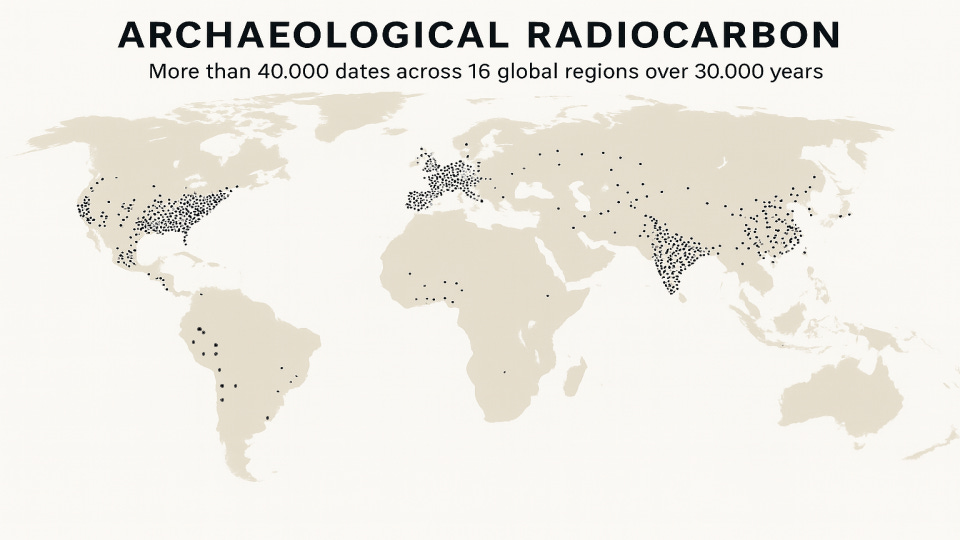
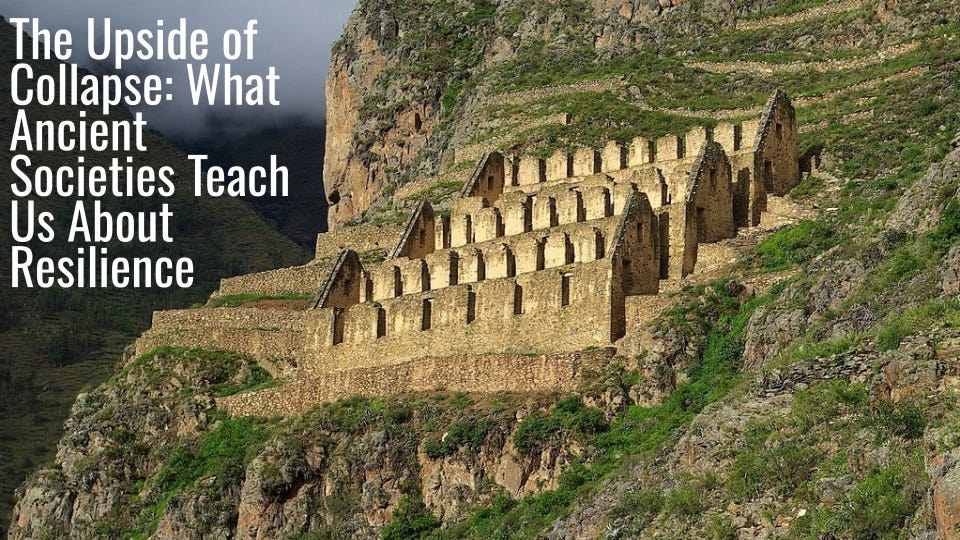
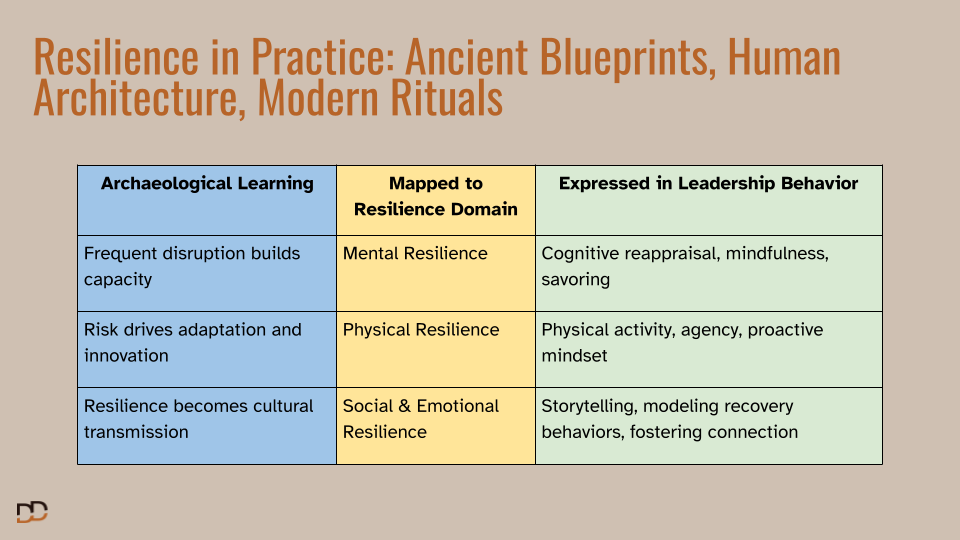
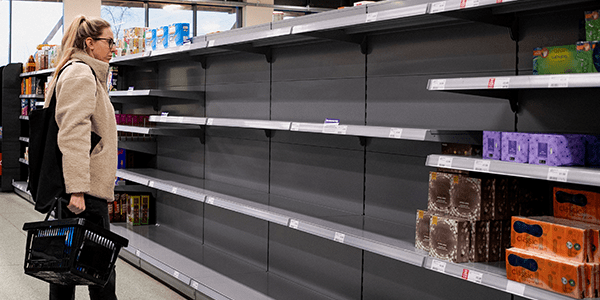
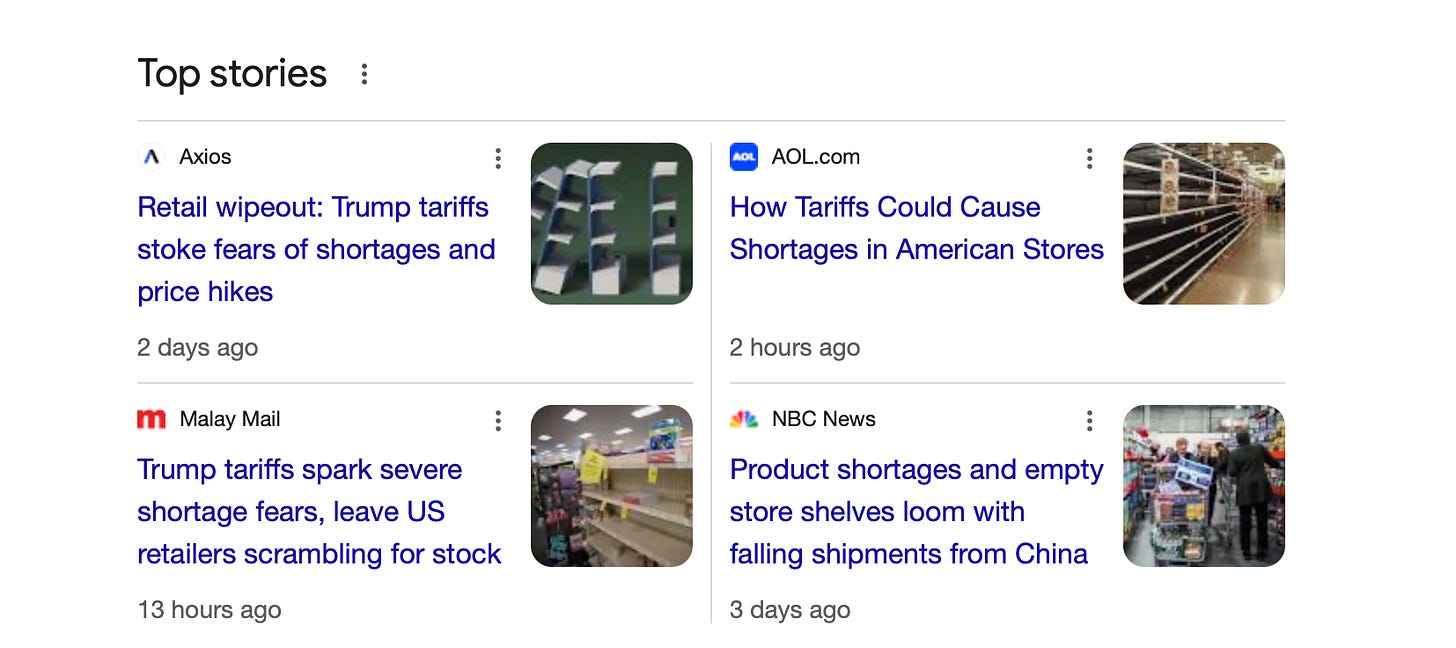

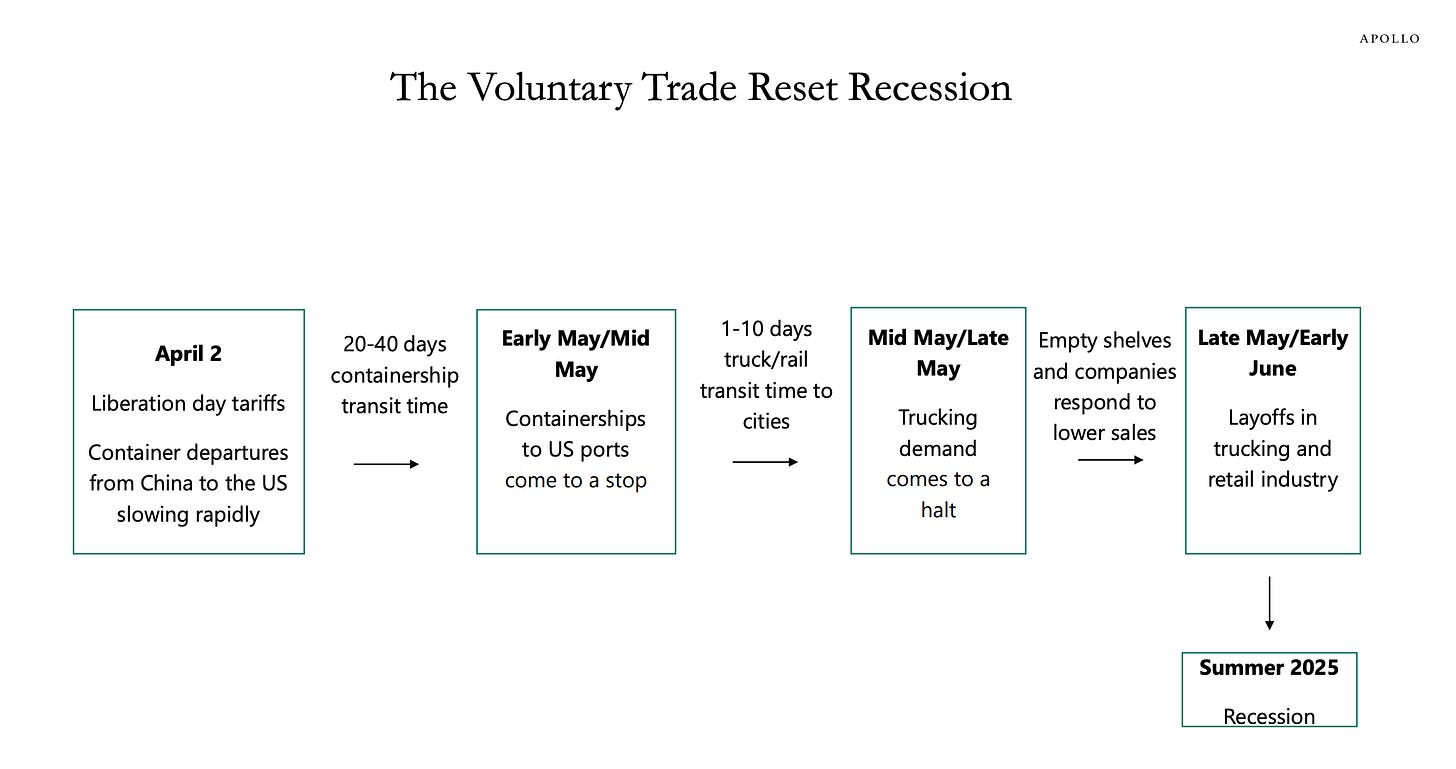

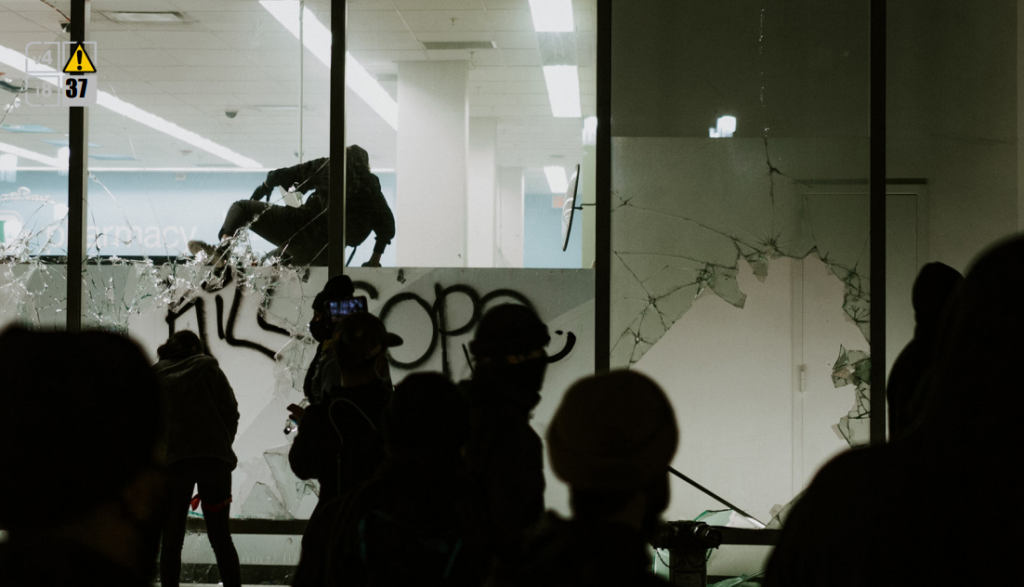
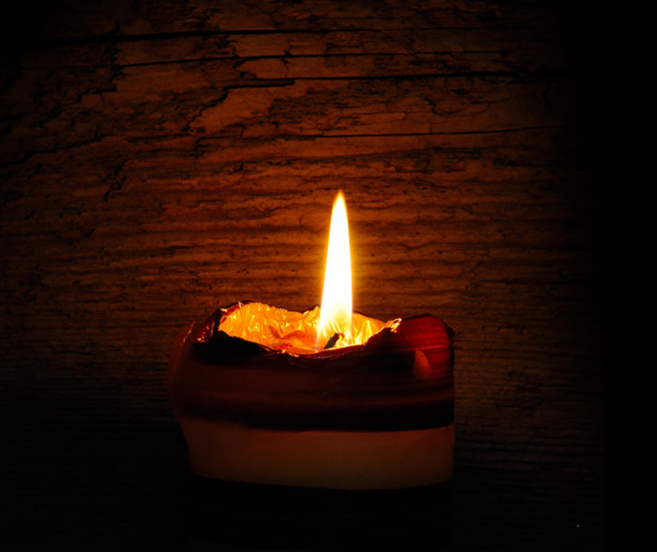
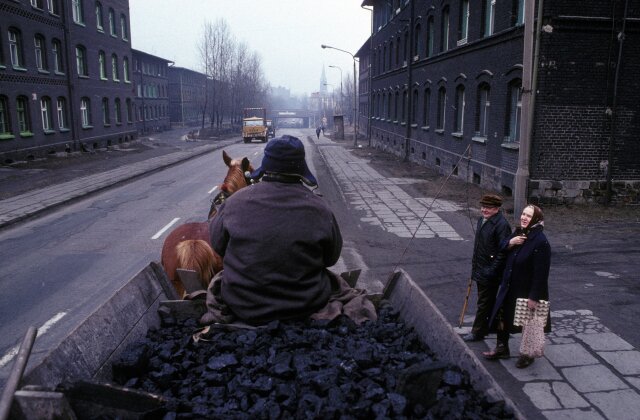

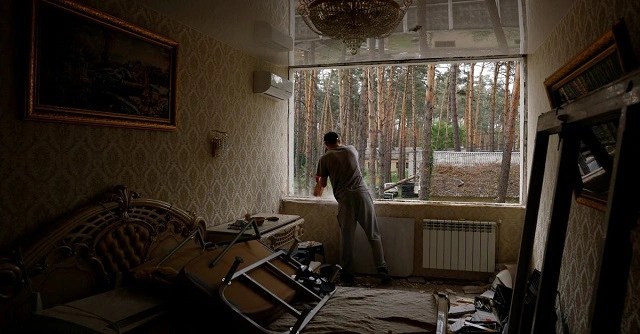

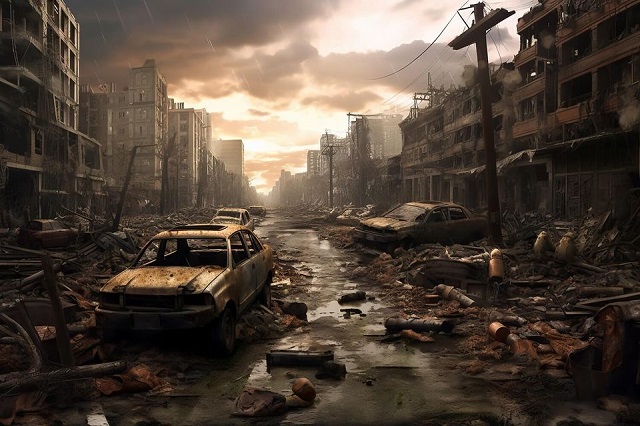



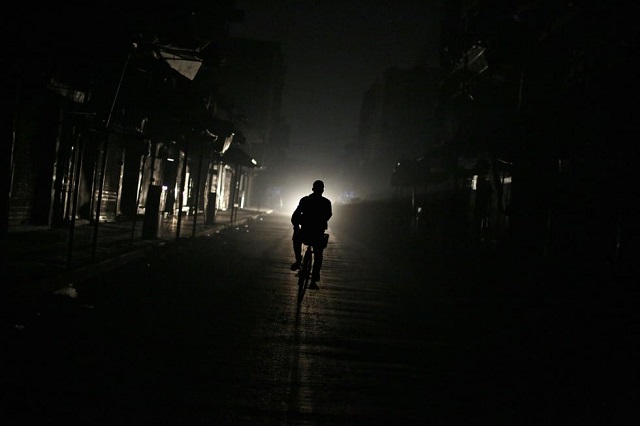

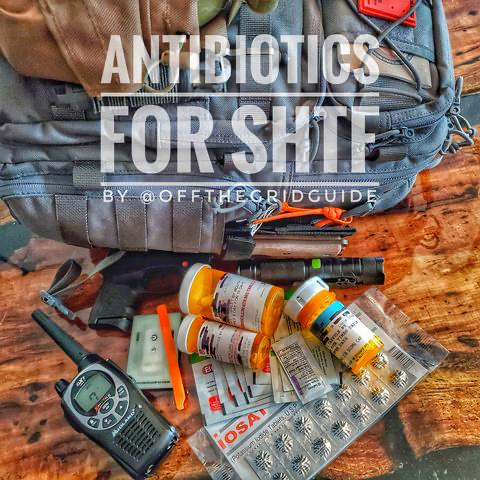

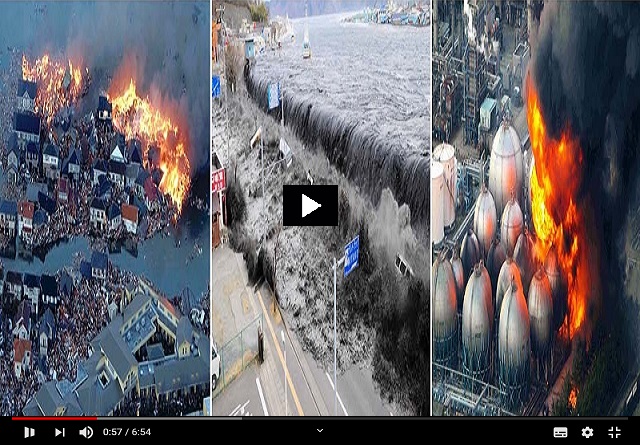
 The End 2026